
Trí nhớ của chúng ta không phải lúc nào cũng đáng tin như ta tưởng. Ví dụ, đôi khi con người ta nhớ lại các sự kiện với độ chắc chắn tuyệt đối, sau rồi lại phát hiện ra những chi tiết quan trọng chưa hề xảy ra. Các nhà tâm lý học gọi đây là ảo giác trí nhớ, một lỗi trí nhớ xảy ra khi não bộ vô thức lấp đầy những khoảng trống trong bộ nhớ bằng những thông tin tự thêu dệt, sai lệch hoặc méo mó.
Our memory isn’t always as reliable as we’d like to think. For example, sometimes people recall events with absolute certainty, only to find out later that key details never actually happened. It’s what psychologists call confabulation, a memory error in which our brains unconsciously fill in memory gaps with fabricated, misinterpreted, or distorted information.1
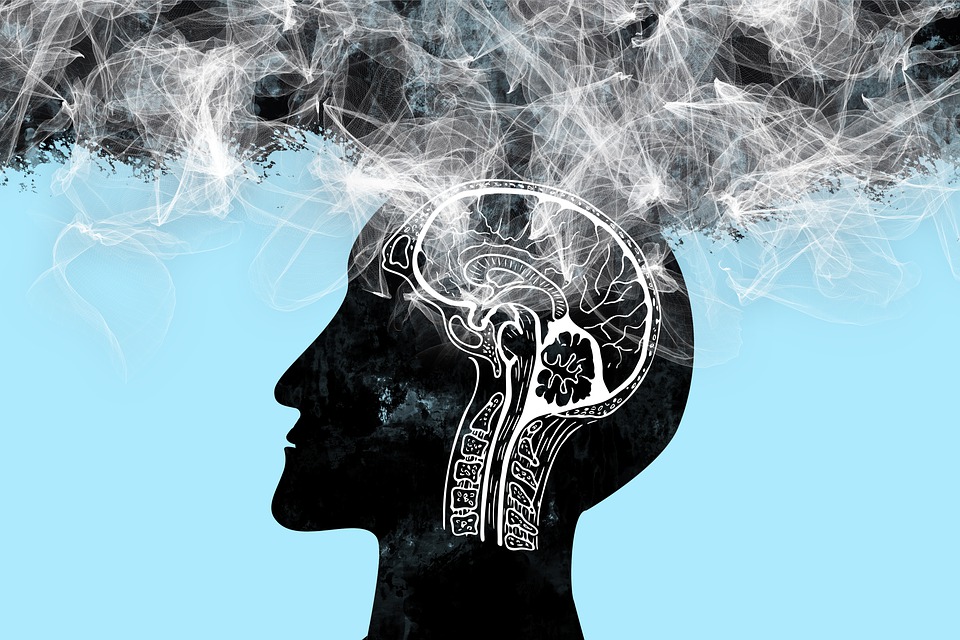
Khi một người bị ảo giác trí nhớ, họ nhầm lẫn cái mình tưởng tượng với những ký ức thật sự. Ảo giác trí nhớ đôi có thể bị nhầm với việc cố tình nói dối hoặc vờ mình bị bệnh. Tuy nhiên, điều quan trọng cần lưu ý là một người bị ảo giác trí nhớ không nói dối.
When someone confabulates, they are confusing things they have imagined with real memories. Confabulated memories can sometimes be confused with intentional lying or malingering. However, it’s important to note that a person who is confabulating is not lying.
Thói giả bệnh là lừa dối người khác để đạt được một thứ gì đó. Người bị ảo giác trí nhớ, mặt khác, không chủ động hoặc chủ đích muốn lừa dối. Thay vào đó, họ tin những ký ức này 100% là thật. Họ cũng tự tin vào tính xác thực trong những ký ức của mình ngay cả khi bằng chứng cho thấy điều ngược lại.
Malingering involves deceiving others to gain something. People who are confabulating, on the other hand, are not making a conscious or intentional attempt to deceive. Instead, they believe that their memories are 100% accurate. They’re also confident in the truth of their memories even when confronted with contradictory evidence.
Người bị ảo giác trí nhớ không nhận thức được trí nhớ của mình bị sai, và họ cũng không nói dối để thao túng hoặc lừa gạt người khác.
People who are confabulated are not aware that their memory is wrong, and they are not lying to manipulate or deceive other people.

Những dạng ảo giác trí nhớ. Types of Confabulation
Khi tâm trí một người bị ảo giác, nó đang nỗ lực che lấp cho một đoạn ký ức đã bị mất đi. Tuy nhiên, họ không nhận thức được rằng thông tin họ đang tìm kiếm không ở đó.
When someone’s mind confabulates, it is attempting to cover up for a memory that has been lost.2 However, they’re unaware that the information they’re searching for isn’t there.
Ảo giác trí nhớ được phân thành hai dạng: Kích động và tự phát.
Confabulations are categorized into two types: provoked and spontaneous:3
– Ảo giác trí nhớ kích động xuất hiện khi một người tạo ra một câu chuyện không đúng để đáp lại một câu hỏi cụ thể nào đó. Dạng ảo giác trí nhớ này là dạng phổ biến nhất và thường xuất hiện ở những người mắc sa sút trí tuệ hoặc chứng mất trí nhớ.
Provoked confabulation occurs when someone creates an untrue story in response to a specific question. This type of confabulation is the most common and frequently occurs in people with dementia or amnesia.
– Ảo giác trí nhớ tự phát ít phổ biến hơn. Nó xuất hiện khi một người thêu dệt nên một câu chuyện mà không hề có động cơ và yếu tố kích động nào.
Spontaneous confabulation is less common. It occurs when someone tells a fabricated story without any apparent motivation or provocation.
Ảo giác trí nhớ thường có liên đới với các rối loạn trí nhớ, bệnh hoặc chấn thương não, và các bệnh lý tâm thần. Tuy nhiên, nó cũng được quan sát thấy cả ở người khỏe mạnh không có tiền sử rối loạn thần kinh, bệnh lý sức khỏe tâm thần hoặc tổn thương não.
Confabulation is often associated with memory disorders, brain injury or disease, and psychiatric conditions. However, it has also been observed in healthy people with no history of a neurological disorder, mental health condition, or brain damage.4

Các dấu hiệu và triệu chứng. Signs and Symptoms of Confabulation
Ảo giác trí nhớ thường ám chỉ một vấn đề tiềm ẩn trong trí nhớ của một người – ví dụ, một bệnh lý tâm thần kinh, chấn thương não, hoặc rối loạn sử dụng chất. Có một vài đặc điểm thường gặp của tình trạng này, bao gồm:
Confabulation often points to an underlying issue with a person’s memory—for example, a neuropsychiatric condition, brain injury, or substance use disorder. There are several common characteristics of confabulation, including:
– Không nhận thức được một ký ức nào đó là sai hoặc bị méo mó. Khi lỗi sai bị chỉ ra, chủ thể không quan tâm đến sự phi thực tế rõ ràng trong lời kể của họ.
A lack of awareness that a memory is false or distorted. When errors are pointed out, the person is unconcerned about the apparent unreality of their account.
– Không cố tình lừa gạt hay nói dối. Không có động cơ ẩn giấu đằng sau việc nhớ sai thông tin.
No attempt to deceive or lie. There is no hidden motivation for the person to misremember the information.
– Câu chuyện thường đúc kết ra từ trí nhớ của chủ thể. Nền tảng của việc nhớ sai thông tin nhìn chung được tạo nên từ quá khứ hoặc các suy nghĩ, trải nghiệm hiện tại của chủ thể.
The story is usually drawn from the person’s memory. The basis for the misremembered information is generally founded on the person’s past or current experiences and thoughts.
– Câu chuyện có khả năng xảy ra hoặc không có khả năng xảy ra. Câu chuyện có thể liền mạch và hợp lý cũng có thể rất rời rạc và phi thực tế.
The story can be either very probable or very improbable. The story might be coherent and plausible, whereas others may be highly incoherent and unrealistic.
Ví dụ. Examples of Confabulated Memories

Như đã biết, ảo giác trí nhớ không giống như nói dối. Khi một ai đó nói dối, họ thể hiện thông tin không đúng với chủ đích rõ ràng để lừa gạt hoặc thao túng người khác. Mặt khác, một người bị ảo giác trí nhớ không làm như vậy để lừa gạt. Họ không nhận thức được những gì họ nhớ là không có thật.
As we’ve noted, confabulation is not the same as lying.2 When someone tells a lie, they present untrue information with the conscious intent to fool or manipulate others. On the other hand, a person who confabulates is not doing so to deceive. They’re unaware that what they remember is not the truth.
Mặc dù ảo giác trí nhớ có liên quan đến việc trình bày thông tin sai, nhưng chủ thể vẫn tin rằng cái họ nhớ là đúng.
While confabulated memories involve presenting false information, the person doing so believes that what they are remembering is true.
Ví dụ, một người mắc sa sút trí tuệ có thể mô tả rõ ràng lần cuối họ gặp bác sĩ, ngay cả khi tình huống họ nói chưa hề xảy ra.
For example, a person with dementia may be able to clearly describe the last time they met with their doctor, even if the scenario they depict never actually happened.
Một người có vấn đề về trí nhớ có thể không nhớ chính xác mình đã gặp một ai đó thế nào. Khi bị chất vấn trực tiếp, họ có thể thêu dệt ra một câu chuyện để lấp đầy đoạn ký ức bị mất này.
A person with memory problems might not be able to remember exactly how they met someone. When asked directly, they might confabulate a story to fill in this missing memory.
Một ví dụ khác về ảo giác trí nhớ là khi một người có những khoảng trống trong trí nhớ bị yêu cầu phải nhớ và mô tả chi tiết một sự kiện trong quá khứ. Thay vì nói mình không biết, tâm trí chủ thể lấp đầy những thông tin bị mất này bằng những đoạn ký ức tự họ thêu dệt về sự kiện.
Another example of confabulation is when a person with gaps in their memory is asked to remember and describe the details of a past event. Rather than saying they do not know, the person’s mind fills in the missing information with confabulated memories of the event.
Các đoạn ký ức ảo có thể khá phức tạp và nhiều chi tiết.
Confabulated memories can be elaborate and detailed.4
Ví dụ, một người mắc tâm thần phân liệt xuất hiện ảo tưởng có thể bịa ra những đoạn ký ức rất ảo diệu và mỗi lúc mỗi phức tạp khi bị hỏi về chúng.
For example, a person with schizophrenia who is experiencing delusions may confabulate memories that become increasingly fantastical and intricate the more they are questioned about them.
Trong những trường hợp khác, trí nhớ của một người có thể khá bình thường. Ví dụ, một người không thể nhớ chính xác làm sao mà họ lại bị một vết bầm nhỏ trên tay nhưng có thể bịa hoặc nhớ nhầm một câu chuyện nào đó để lý giải sự xuất hiện của vết thương.
In other cases, a person’s memories can be quite mundane. For example, a person might not be able to remember exactly how they got a small bruise on their arm but may fabricate or misremember a story to explain how the injury occurred.
Cách xác định ảo giác trí nhớ. Identifying Confabulated Memories
Ảo giác trí nhớ đôi lúc có thể rất khó để nhận ra. Sau cùng thì, bản thân người có xuất hiện tình trạng này thực sự tin rằng mình nhớ đúng. Họ không thấy có sai lệch gì cả, vậy nên thường chỉ khi nó xung đột với những thông tin ngược lại thì lỗi sai mới trở nên rõ ràng.
Confabulation can sometimes be challenging to recognize. After all, the person experiencing this memory error genuinely believes the memory is entirely true. They see no flaws in it, so it’s usually only when it conflicts with contradictory information that the errors become apparent.
Nó cũng khiến việc chẩn đoán các bệnh lý sức khỏe tâm thần và bệnh lý về trí nhớ trở nên khó khăn. Để xác định liệu một người có đang bị ảo giác trí nhớ không, một bác sĩ hoặc chuyên gia sức khỏe tâm thần có thể:
It can also make diagnosing mental health and memory conditions more difficult. To determine if someone is confabulated, a doctor or mental health professional may:
– Đặt câu hỏi: Trong suốt quá trình phỏng vấn bệnh, bác sĩ có thể hỏi những câu hỏi về trải nghiệm, triệu chứng hoặc tiền sử bệnh của một người. Nếu họ để ý thấy sự bất nhất hay một vấn đề rõ ràng nào đó thì người được phỏng vấn sẽ được chuyển gửi đến một bác sĩ thần kinh để được đánh giá thêm.
Ask questions: During an interview process, a clinician will ask questions about a person’s experiences, symptoms, or medical history. If they note inconsistencies or obvious problems, the individual may be referred to a neurologist for further evaluation.
– Thông tin từ gia đình: Gia đình và bạn bè thường có thể chia sẻ nhiều thông tin có giá trị về ảo giác trí nhớ, thứ mà chuyên gia khó có thể xác định. Bình thường thì, chính người sống chung với người bệnh hoặc dành nhiều thời gian bên họ mới có thể để ý được những lần họ nhớ sai.
Family insights: Family and friends can often share valuable information about confabulation, which can be tricky for professionals to identify. Often, it’s the people who live with the individual or spend significant time with them who are more likely to notice instances of confabulation.
– Dùng nhiều nguồn: Nếu có khả năng xuất hiện ảo giác trí nhớ, một chuyên gia sức khỏe tâm thần có thể hỏi nhiều câu hỏi và xác nhận các chi tiết bằng cách sử dụng nhiều nguồn để tìm hiểu xem thông tin có chính xác không.
Checking with several sources: If there’s a chance of confabulation, a mental health professional may ask more questions and confirm the details using various sources to better understand if the information is accurate.
Không may thay, ảo giác trí nhớ thường hay bị bỏ lỡ và có thể góp phần gây chẩn đoán sai. Unfortunately, confabulation is often missed and may contribute to misdiagnosis.
Điều gì gây ra ảo giác trí nhớ? What Causes Confabulation?
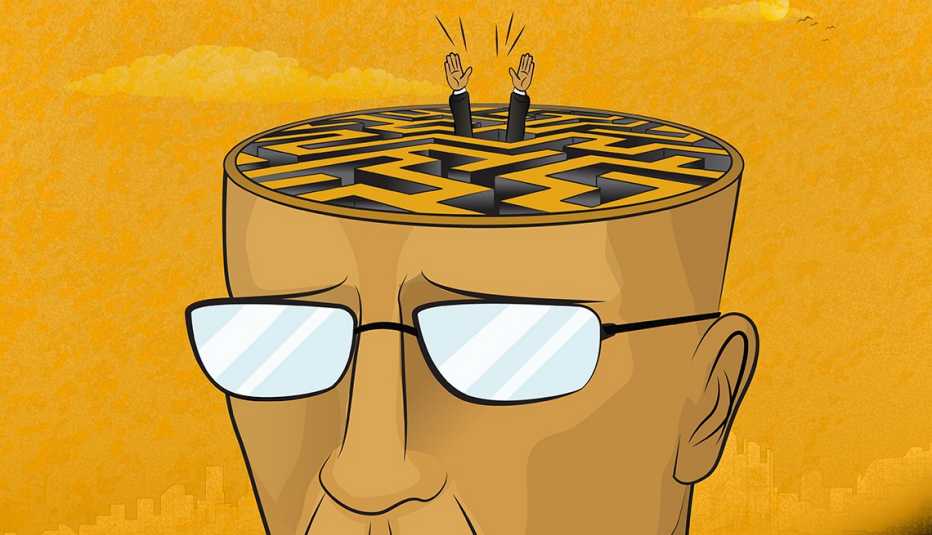
Mặc dù chúng ta đều ít nhiều có xuất hiện ảo giác trí nhớ, nhưng các trường hợp nghiêm trọng hơn hay dai dẳng hơn thường là kết quả của một bệnh lý hoặc tổn thương não. Một số bệnh lý có liên đới với ảo giác trí nhớ bao gồm các rối loạn trí nhớ, chấn thương sọ não, và một số bệnh lý tâm thần nhất định. Một vài bệnh tâm lý và thần kinh có liên đới với ảo giác trí nhớ bao gồm:
While we all might experience minor confabulations from time to time, more serious or persistent cases are often the result of brain disease or damage. Some of the conditions that are linked to confabulation include memory disorders, brain injuries, and certain psychiatric conditions. Several psychological and neurological conditions associated with confabulation include:
– Hội chứng Wernicke-Korsakoff: Một rối loạn thần kinh có liên đới với thiếu hụt thiamin nghiêm trọng thường xuất hiện do chứng nghiện rượu mãn tính.
Wernicke-Korsakoff’s syndrome: A neurological disorder associated with severe thiamine deficiency that is usually caused by chronic alcoholism2
– Bệnh Alzheimer: Một dạng sa sút trí tuệ liên quan đến mất trí nhớ, suy giảm nhận thức, vấn đề ngôn ngữ và các vấn đề thần kinh khác.
Alzheimer’s disease: A form of dementia that is associated with memory loss, cognitive impairment, language problems, and other neurological issues
– Chấn thương sọ não: Thương tổn các vùng cụ thể trong não bộ như thùy não trước trán giữa.
Traumatic brain injury: Damage to specific regions of the brain like the inferior medial frontal lobe.
– Tâm thần phân liệt: Một rối loạn sức khỏe tâm thần ảnh hưởng đến khả năng nhận biết và hiểu rõ hiện thực, gây ra các trải nghiệm và hành vi bất thường.
Schizophrenia: A mental health disorder that affects a person’s ability to recognize and understand reality, causing abnormal experiences and behaviors5
Có nhiều hơn một vùng cụ thể của não bộ chịu trách nhiệm cho tình trạng ảo giác trí nhớ, nhưng thường có liên đới với tổn thương thùy não trước trán (đóng vai trò sống còn giúp ta hình thành ký ức) và thể chai (vốn có vai trò trọng yếu trong trí nhớ âm thanh và hình ảnh.)
There is not one specific area of the brain that is responsible for confabulation, but it’s often associated with damage to the frontal lobe (which is vital to helping us form memories) and the corpus callosum (which has a key role in visual and auditory memory).4
Lý giải. Explanations for Confabulation
Có nhiều học thuyết đặt ra để nỗ lực lý giải chính xác lý do tại sao con người lại “bịa ra” ký ức. Một số nghiên cứu cho rằng có 2 yếu tố chính đóng vai trò trong dạng gián đoạn trí nhớ này.
Different theories attempt to explain exactly why people confabulate.6 Some research suggests that two main factors play a role in this type of memory disruption:
– Học quá nhiều. Overlearning

Học hay tìm hiểu thứ gì đó quá nhiều có thể khiến một số dạng thông tin nhất định trở nên nổi bật trong đầu một người. Khi các chi tiết cụ thể nằm ở vị trí hàng đầu trong trí nhớ, chúng thường che khuất những mảnh thông tin tối quan trọng khác.
Overlearning some things can make certain types of information stand out in a person’s mind. When specific details are at the forefront of memory, they often overshadow other vital pieces of information.
Nếu các khoảng trống trong trí nhớ xuất hiện, thông tin được tìm hiểu quá kỹ có thể thống trị và chèn ép loại bỏ nhiều dữ liệu và ký ức nhỏ cụ thể hơn, dẫn đến tình trạng ký ức bị méo mó và thiếu chính xác.
If gaps in memory occur, overlearned information can dominate and force out more specific facts and memories, leading to memory distortions and inaccuracies.
– Mã hóa kém. Poor Encoding
Đôi lúc, chúng ta không nhớ mọi thứ một cách chính xác vì chúng ta không bao giờ lưu trữ được toàn bộ chúng trong bộ nhớ dài hạn của não bộ ngay từ đầu. Ví dụ, nếu con người ta bị xao nhãng trong một sự kiện nào đó, họ sẽ ít có khả năng chú ý đến các tiểu tiết. Nếu thông tin không được mã hóa đầy đủ, chúng sẽ dễ bị quên hoặc nhớ nhầm.
Sometimes, we don’t remember things correctly because we never fully stored them in the brain’s long-term memory in the first place. For example, if people are distracted during an event, they are less likely to pay attention to details. If the information is not fully encoded, they are more susceptible to forgetting or misremembering it.
– Trí nhớ sai lệch. False Memory
Trí nhớ sai lệch có thể đóng một vai trò chủ đạo. Điều này có thể là trường hợp “nói dối chân thành”, vì mọi người kể lại một ký ức ảo nhưng lại rất thật từ góc nhìn của họ.
False memory can also play a key role. This can be a case of “honest lying,” since people relate a confabulated memory that seems entirely truthful from their perspective.4
Các đoạn ký ức sai lệch có thể hình thành do nhiều nguyên nhân khác nhau. Trong nhiều trường hợp, ký ức được mã hóa bất hợp lý hoặc bị hủy hoại do sự can thiệp từ những thông tin và luồng ký ức khác. Nếu bạn có một ký ức khá tương tự với những cái còn lại, thì chúng có thể can thiệp lẫn nhau, khiến bạn khó nhớ lại những chi tiết quan trọng.
False memories can form for several different reasons. In many cases, memories are encoded improperly or become corrupted due to interference from other information and memories. If you have one memory that is very similar to another, they can interfere with one another, making it hard to clearly recall important details.
Việc xử lý các khoảng trống trong ký ức có thể khá rắc rối, vậy nên con người ta thường cố hiểu cho ra mọi thứ và “chế” ra những cách lý giải để lấp đầy các khoảng trống trong các câu chuyện được kể.
Dealing with gaps in memory can be confusing, so people often try to make sense of things and come up with explanations to fill in the missing parts of the story.7
– Mất trí nhớ. Memory Loss
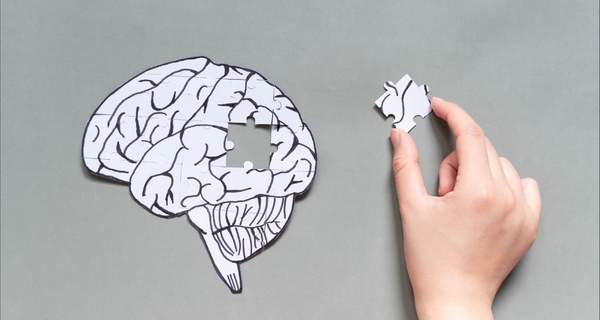
Ảo giác trí nhớ cũng có thể xuất hiện khi con người ta cố gắng lấp đầy những khoảng trống trong ký ức do bị mất trí nhớ. Điều này có thể là lý do khiến một người mắc phải các bệnh lý ảnh hưởng đến trí nhớ – như sa sút trí tuệ và mất trí nhớ – đôi khi dễ xuất hiện hành vi “bịa” ra ký ức.
Confabulation can also occur when people try to fill in the gaps in memory caused by memory loss. This may be why people with memory-affecting conditions—such as dementia and amnesia—are sometimes more likely to confabulate.
Một số nghiên cứu cho rằng ảo giác trí nhớ có thể giúp tăng cảm xúc tích cực và cảm giác kiểm soát ở những người đang mắc các rối loạn trí nhớ. Các nhà nghiên cứu lưu ý rằng ảo giác trí nhớ thường mang màu sắc tích cực hoặc khát khao hy vọng, vốn có thể đóng vai trò kiểm soát khía cạnh tinh thần của một bệnh lý.
Some research suggests that confabulations can help increase positive emotions and a sense of control in people who are dealing with memory disorders. Researchers note that confabulations often have a positive or wishful tone that might play a role in managing the emotional aspects of a disease.8
Điều trị. How to Treat Confabulation
Cũng như ảo giác trí nhớ rất khó để phát hiện, nó cũng rất khó để điều trị. Trong hầu hết các trường hợp, phương pháp được khuyến nghị là xử lý nguyên nhân tiềm ẩn (nếu có thể xác định được nguồn căn.)
Just as confabulation is hard to detect, it can be very difficult to treat. In most cases, the recommended approach is to address the underlying cause (if it is possible to identify the source).9
Ví dụ, một số bằng chứng cho rằng việc điều trị hội chứng Wernicke-Korsakoff bằng thực phẩm chức năng bổ sung B1 có thể giúp giảm triệu chứng và hạn chế tình trạng ảo giác trí nhớ.
For example, some evidence suggests that treating Wernicke-Korsakoff syndrome with B-1 supplementation can help reduce symptoms and minimize confabulation.9
Trong nhiều trường hợp, việc tranh cãi về tính xác thực của các ký ức ở người mắc sa sút trí tuệ chẳng đáp ứng được mục đích gì nhiều. Thay vì cố thách thức hay bác bỏ ký ức của họ, ta nên chấp nhận và hỗ trợ họ.
In many cases, arguing over the validity of memories in people with dementia serves little purpose. Rather than trying to challenge or refute their memories, it is better to offer acceptance and support.
Trong một số trường hợp, ảo giác trí nhớ có thể được xử lý bởi tâm lý trị liệu và trị liệu nhận thức hành vi. Những phương pháp này giúp chủ thể nhận ra rõ hơn những thông tin thiếu chính xác trong trí nhớ của mình.
In some instances, confabulation can be addressed with psychotherapeutic and cognitive behavioral treatments. These approaches help individuals become more aware of the inaccuracies in their memory.
Các kỹ thuật khuyến khích chủ thể tự vấn những gì mình nhớ và không nhớ cũng khá hữu ích. Họ sẽ được yêu cầu phản hồi là mình không biết một điều gì đó hoăc rằng mình không chắc chắn thay vì bịa ra một câu phản hồi.
Techniques that encourage a person to question what they do and do not remember can also be useful. People are asked to respond that they do not know something or that they are not sure rather than confabulate a response.
Phát hiện từ nghiên cứu năm 2017 ủng hộ điều trị tâm lý thần kinh cho ảo giác trí nhớ ở những người bị chấn thương não. Các nhà nghiên cứu trong nghiên cứu này đã yêu cầu tham dự viên hoàn thành một bài tập trí nhớ sau đó cho họ thấy những câu phản hồi không chính xác của họ.
The findings of a 2017 study supported neuropsychological treatment for confabulation in people who experienced a brain injury.1 Researchers in the study asked participants to complete a memory task then showed them their incorrect responses.
Khi tham dự viên được chỉ ra lỗi sai, họ được hướng dẫn một cách cụ thể là hãy chú ý hơn đến nội dung đã được đưa ra và nghĩ kỹ về câu trả lời trước khi phản hồi. Kết quả nghiên cứu này cho thấy cách làm này hiệu quả trong việc giảm bớt ảo giác trí nhớ và tác động của phương pháp này có thể được khái quát hóa đến những khía cạnh khác sau điều trị.
As participants were shown their errors, they were given specific instructions to pay closer attention to the material and to think about their answers before responding. The results of the study indicated that this approach was effective at reducing confabulations and that the effects could also be generalized to other areas post-treatment.
Ứng phó. Coping With Confabulated Memories
Ngoài điều trị nhận thức và hành vi, có một số chiến lược có thể được sử dụng để ứng phó với tình trạng này.
In addition to cognitive and behavioral treatments, there are strategies that people can use to help deal with confabulation.
– Tìm kiếm hỗ trợ: Hỗ trợ xã hội là cực kỳ quan trọng khi ứng phó với ảo giác trí nhớ. Hãy nhờ người thân bạn tin tưởng, người hiểu rõ tiền sử bệnh và những thông tin khác về bạn đi cùng bạn đến gặp bác sĩ để đảm bảo chuyên gia y tế nhận được thông tin chính xác.
Get support: Having social support is essential when dealing with confabulated memories. Ask trusted loved ones who are familiar with your health history and other information to accompany you to the doctor to ensure that your healthcare provider gets accurate information.4

– Xác nhận thông tin: Đừng chỉ dựa vào trí nhớ để nhớ lại thông tin cần, đặc biệt là nếu có liên quan đến các quyết định sống còn. Hãy nhờ bạn bè hoặc gia đình xác nhận những chi tiết quan trọng hoặc kiểm tra lại những thông tin đã viết ra.
Corroborate information: Don’t rely on memory alone for necessary information, particularly if it involves potentially life-changing decisions. Ask friends or family to verify key details or check written records.
– Giữ một cuốn nhật ký: Ghi chép những sự kiện đã xảy ra có thể rất hữu ích khi ứng phó với ảo giác trí nhớ. Việc xem lại nhật ký có thể giúp bạn để ý rõ hơn các vấn đề xuất hiện trong ký ức của bạn về các sự kiện.
Keep a diary: A written record of events can be helpful when coping with confabulated memories. Looking back on your journal can help you better notice problems with your own memories of events.9
Thành viên gia đình và bạn bè của người dễ xuất hiện tình trạng ảo giác trí nhớ có thể cảm thấy bực bội hoặc khó chịu. Như kiểu người thân đang nói dối, nhưng việc hiểu được rằng ảo giác trí nhớ không phải là một nỗ lực lừa dối có thể giúp họ ứng phó với tình trạng này.
Family members and friends of people who are prone to being confabulated may become frustrated or distressed. It may seem like their loved one is lying, but understanding that confabulation is not an attempt to deceive can help them cope.
Ảo giác trí nhớ có thể khiến bạn bối rối hoặc bực bội, nhưng đôi khi, nó cũng giúp người có vấn đề trí nhớ ứng phó với thực tế đang diễn ra. Những khoảng trống trong trí nhớ có thể khá khó khăn thậm chí khiến người gặp phải nó hoảng sợ. Tình trạng này là một cách tâm trí có thể đang sử dụng để cố hiểu rõ thế giới.
Confabulation can be confusing or frustrating, but sometimes, it helps people with memory disruptions cope with their current reality. Gaps in memory can be difficult and even frightening for people who experience them. Confabulated memories are one way the mind might try to make sense of the world.
Điều cần nhớ. Takeaways
Ảo giác trí nhớ có thể tạo ra những ký ức không đúng với thực tế. Rất khó để chuyên gia y tế phát hiện và điều trị, nhưng việc nhận ra các triệu chứng của bệnh lý này là rất quan trọng.
Confabulations can create false memories that aren’t aligned with reality. It can be hard for medical professionals to detect and treat, but recognizing symptoms of the condition is important.
Nếu bạn đang quan ngại người thân của mình có thể đang có dấu hiệu của ảo giác trí nhớ, việc tìm kiếm giúp đỡ là tối quan trọng. Hãy cân nhắc trao đổi với một chuyên gia sức khỏe tâm thần để giúp xác định nguyên nhân ẩn giấu và hỗ trợ giúp bạn và người thân ứng phó với tác động của tình trạng này.
If you are concerned that a loved one may be showing signs of confabulation, it’s essential that you seek help. Consider talking to a mental health professional who can identify the underlying cause and support you and your loved one as you deal with the effects of confabulation.
Tham khảo. Sources
Triviño M, Ródenas E, Lupiáñez J, Arnedo M. Effectiveness of a neuropsychological treatment for confabulations after brain injury: A clinical trial with theoretical implications. PLoS ONE. 2017;12(3):e0173166. doi:10.1371/journal.pone.0173166
Bernecker S. A causal theory of mnemonic confabulation. Front Psychol. 2017;8:1207. doi:10.3389/fpsyg.2017.01207
Rensen YC, Oosterman JM, Walvoort SJ, Eling PA, Kessels RP. Intrusions and provoked and spontaneous confabulations on memory tests in Korsakoff’s syndrome. J Clin Exp Neuropsychol. 2017;39(2):101-111. doi:10.1080/13803395.2016.1204991
Jerrod B, Deb H, Stephen M, Kimberly D D, Janina C. Confabulation: a guide for mental health professionals. Int J Neurol Neurother. 2017;4(2). doi:10.23937/2378-3001/1410070
Christensen JN, Sørensen TA. Confabulation resilience of the developing brain: A brief review. Journal of the International Neuropsychological Society. 2019;25(4):426-431. doi:10.1017/S1355617719000134
Schnider A. The Confabulating Mind. Second. Oxford: Oxford University Press; 2017:38-39.
Coltheart M. Confabulation and conversation. Cortex. 2017;87:62-68. doi:10.1016/j.cortex.2016.08.002
Turnbull OH, Salas CE. Confabulation: Developing the ‘emotion dysregulation’ hypothesis. Cortex. 2017;87:52-61. doi:10.1016/j.cortex.2016.09.024
Francis C, MacCallum F, Pierce S. Interventions for confabulation: A systematic literature review. Clin Neuropsychol. 2022;36(8):1997-2020. doi:10.1080/13854046.2021.1948612
Nguồn: https://www.verywellmind.com/confabulation-definition-examples-and-treatments-4177450
Như Trang.
 Exploring Psychology - Khám Phá Tâm Lý Học