
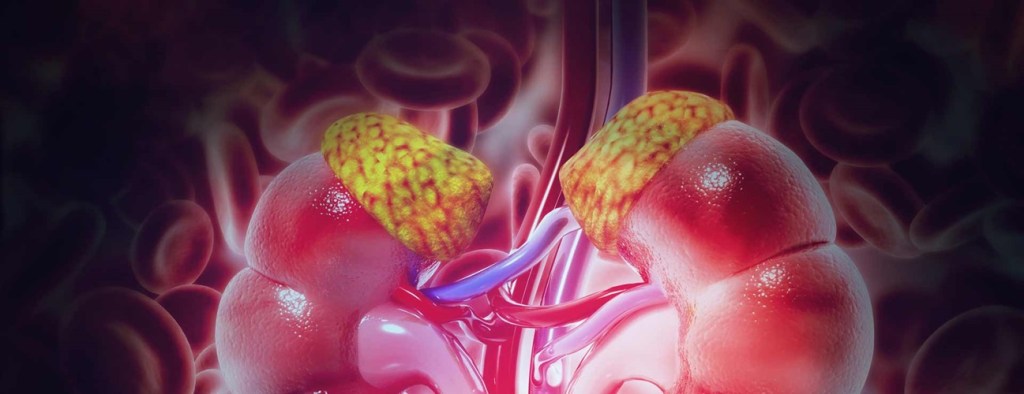
Tuyến thượng thận (còn được gọi là “mũ thận” hoặc tuyến trên thận) là tuyến nội tiết hình tam giác nằm trên đỉnh của thận. Tuyến này tiết hormone gây ảnh hưởng trên nhiều quá trình diễn ra trong cơ thể, bao gồm điều tiết chuyển hóa, hỗ trợ hệ miễn dịch, và thậm chí là quản lý phản ứng căng thẳng.
Adrenal glands (also known as suprarenal glands or “kidney hats”) are triangle-shaped endocrine glands located on top of the kidneys. These glands release hormones that can have an effect on a variety of body processes, including regulating metabolism, supporting the immune system, and even managing stress responses.
Tổng quan. At a Glance
Tuyến thượng thận rất quan trọng với phản ứng căng thẳng của cơ thể, bao gồm phản ứng chống trả – hay – bỏ chạy. Mặc dù căng thẳng nhất định giúp cơ thể hành động, nhưng quá nhiều có thể gây cảm giác lo âu và căng thẳng mãn tính, gây tổn hại nghiêm trọng lên sức khỏe thể chất và tinh thần của một người.
The adrenal glands are important in the body’s stress response, including the fight-or-flight reaction. While some stress prepares the body to take action, too much can result in feelings of anxiety and chronic stress, which can take a serious toll on a person’s physical and mental well-being.
Bài viết này sẽ thảo luận vai trò của tuyến thượng thận đối với sức khỏe tâm thần, đi sâu khám phá quá trình vận hành của các tuyến này, tác động lên phản ứng căng thẳng của cơ thể và tác động lên sức khỏe tinh thần nói chung.
This article discusses the role that the adrenal glands play in mental health. It explores how these glands work, their impact on the body’s stress response, and their effect on mental health.
Giải phẫu. The Anatomy of the Adrenal Glands
Tuyến thượng thận là một phần của hệ nội tiết, bao gồm hệ thống các tuyến giải phóng các chất truyền tin hóa học có tên là hormone. Những hormone này được truyền đi trong mạch máu đến các mô và cơ quan cụ thể.
The adrenal glands are part of the body’s endocrine system, which is composed of a system of glands that release chemical messengers called hormones. These hormones are carried through the bloodstream to specific tissues and organs.
Từ “adrenal” có gốc từ tiếng Latin có nghĩa là “gần” và “renes” nghĩa là “thận”.
The word “adrenal” comes from the Latin ad meaning “near” and renes meaning “kidney.”
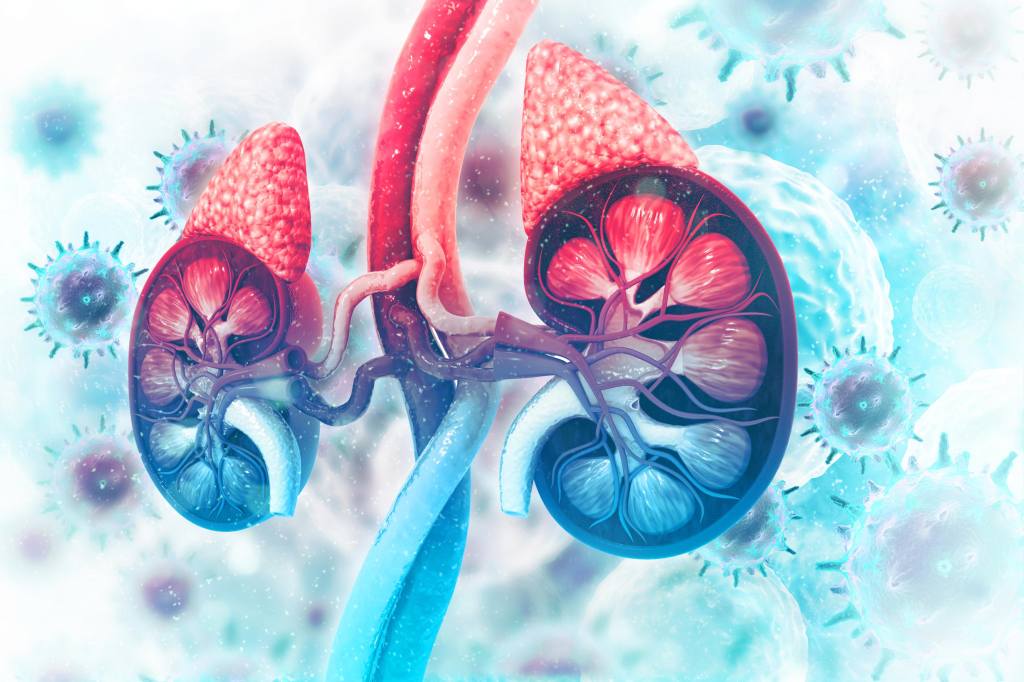
Tuyến thượng thận có hai phần: Adrenal glands are made of two main parts:
Phần bên ngoài tuyến gọi là vỏ, giải phóng các hormone androgen (hormone sinh dục nam) và cortisol. Các hormone được phóng thích bởi vỏ thượng thận giúp kiểm soát hệ miễn dịch và chuyển hóa.
The outer part of the adrenal glands is known as the cortex and releases hormones including androgens (male sex hormones) and cortisol. The hormones released by the outer part of the adrenal glands help control things like the immune system and metabolism.
Phần bên trong của tuyến thượng thần được gọi là tủy và sản sinh ra hormone epinephrine và norepinephrine. Các hormone này được sản sinh bởi tủy thượng thận giúp kiểm soát phản ứng căng thẳng của cơ thể.
The inner area of the adrenal glands is known as the medulla and produces the hormones norepinephrine and epinephrine. The hormones released by the inner cortex control the body’s stress response.

Quá trình vận hành. How the Adrenal Glands Work
Tuyến thượng thận giải phóng các hormone vào máu giúp điều tiết chuyển hóa, huyết áp, phản ứng căng thẳng và chức năng miễn dịch. Các hormone chủ chốt được tuyến thượng thận sản sinh gồm:
The adrenal glands release hormones into the bloodstream that regulate metabolism, blood pressure, the stress response, and immune function. The key hormones produced by the adrenal glands include:
– Cortisol. Cortisol
– Aldosterone. Aldosterone
– Dehydroepiandrosterone. Dehydroepiandrosterone (DHEA)
- Epinephrine. Epinephrine
-Norepinephrine. Norepinephrine
Cortisol. Cortisol
Cortisol là hormone nhóm steroid tự nhiên trong cơ thể góp phần vào nhiều chức năng khác nhau của cơ thể. Thường được gọi là hormone căng thẳng, cortisol nổi tiếng nhất với vai trò của nó trong phản ứng căng thẳng của cơ thể, và cũng tham gia điều tiết các chức năng dưới đây:
Cortisol is a naturally occurring steroid hormone that plays a role in a variety of body functions. Often called “the stress hormone,” cortisol is best known for its role in the body’s stress response and is also involved in the regulation of the following functions and more:
– Huyết áp. Blood pressure regulation
– Chuyển hóa glucose. Glucose metabolism
– Chức năng miễn dịch. Immune function
– Phản ứng viêm. Inflammatory response
– Giải phóng insulin. Insulin release
Aldosterone. Aldosterone
Aldosterone đóng một vai trò quan trọng trong điều tiết huyết áp cũng như nồng độ natri và kali của cơ thể. Nó gửi tín hiệu cho thận để hấp thu natri và giải phóng kali vào nước tiểu, điều tiết cả huyết áp và lượng điện giải của cơ thể.
Aldosterone plays an important role in regulating blood pressure as well as the body’s sodium and potassium levels. It sends signals to the kidneys to absorb sodium and release potassium through urine, regulating both blood pressure and electrolyte levels in the body.
Dehydroepiandrosterone. Dehydroepiandrosterone (DHEA)
DHEA là một hormone steroid sản sinh tự nhiên sẽ chuyển đổi thành nhiều loại hormone, bao gồm androgen và estrogen, là hormone sinh dục nam và nữ.
DHEA is a naturally occurring steroid hormone that converts into a range of hormones, including androgens and estrogens, the male and female sex hormones.1
Epinephrine and Norepinephrine. Epinephrine and Norepinephrine
Hormone epinephrine (adrenaline) và norepinephrine (noradrenaline) được giải phóng trong quá trình phản ứng với căng thẳng của cơ thể. Chúng giúp gây ra cái gọi là “phóng thích adrenaline” bạn có thể cảm thấy khi bị sợ hãi.
The hormones epinephrine (adrenaline) and norepinephrine (noradrenaline) are released during the body’s stress response. They help to cause that “adrenaline rush” you have probably felt when you’re scared.
Tổng kết. Recap
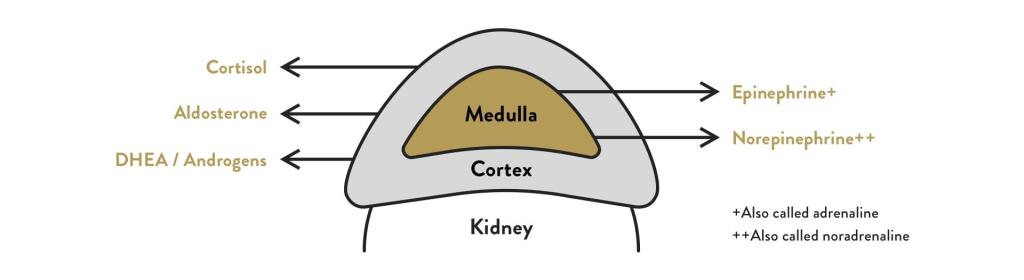
Tuyến thượng thận sản sinh các hormone như cortisol, aldosterone, dehydroepiandrosterone, epinephrine, và norepinephrine. Những hormone này giúp kiểm soát nhiều chức năng quan trọng của cơ thể, bao gồm căng thẳng và lo âu.
The adrenal glands produce hormones such as cortisol, aldosterone, dehydroepiandrosterone, epinephrine, and norepinephrine. These hormones help control a variety of important functions in the body, including stress and anxiety.
Tuyến thượng thận và phản ứng căng thẳng. Adrenal Glands and the Stress Response
Khi phản ứng chống trả – hay – bỏ chạy bị châm ngòi, cơ thể nhanh chóng chuẩn bị để ứng phó với mối nguy hiểm, hoặc đối đầu với vấn đề, hoặc bỏ chạy. Các dấu hiệu sinh lý của phản ứng này bao gồm đồng tử nở rộng, tăng hoặc giảm lượng máu đến da, tăng nhịp tim và nhịp thở, và căng cơ.
When the fight or flight response is triggered, the body rapidly prepares itself to cope with danger, either by confronting the problem or by escaping. Physical signs of this reaction include dilated pupils, increased or decreased blood flow to the skin, increased heart rate and breathing, and muscle tension.2
Trong suốt thời gian căng thẳng cấp, phản ứng này có thể giúp chủ thể phản ứng nếu cần để giữ bản thân an toàn. Tuy nhiên, căng thẳng mãn tính có thể khiến phản ứng này bị kích hoạt trong thời gian dài.
During times of acute stress, this response can help people respond as they need to to stay safe. However, long-term chronic stress can cause this response to be activated for a prolonged period of time.
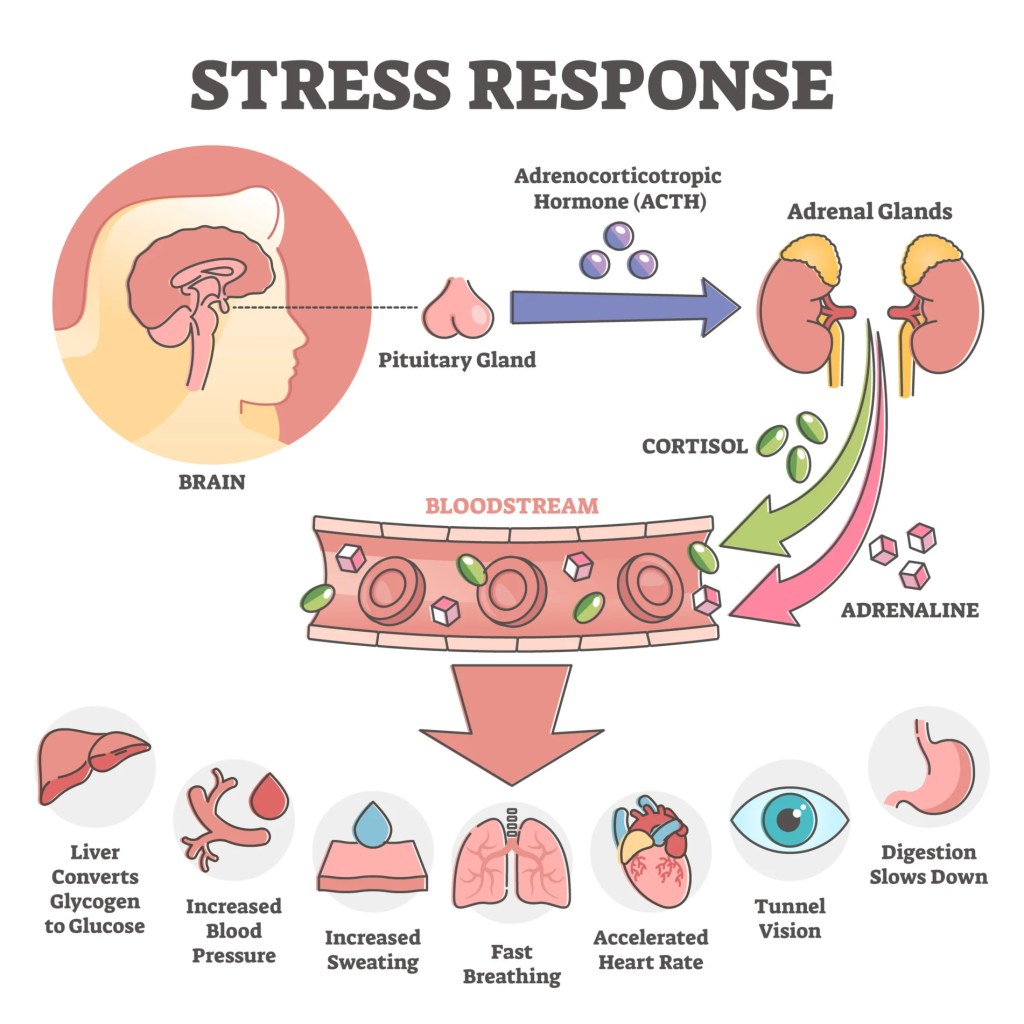
Kích hoạt tuyến thượng thận trong thời gian dài có thể gây tiếp xúc quá nhiều với các hormone căng thẳng bao gồm cortisol. Điều này có thể tổn hại cơ thể và tăng nguy cơ mắc nhiều vấn đề sức khỏe khác, như:
The long-term activation of the adrenal glands causes too much exposure to stress hormones, including cortisol. This can disrupt the body and increase the risk for a variety of health problems, such as:3
– Lo âu. Anxiety
– Các vấn đề tim mạch. Cardiovascular problems
- Vấn đề trong trí nhớ và khả năng tập trung. Concentration and memory problems
– Trầm cảm. Depression
- Đau đầu. Headaches
– Căng cơ. Muscle tension
– Rối loạn giấc ngủ. Sleep disturbances
– Thay đổi cân nặng. Weight changes
Tổng kết. Recap
Sản sinh quá mức các hormone như cortisol và adrenaline nhằm đáp lại căng thẳng kéo dài có thể góp phần gây nhiều vấn đề sức khỏe như lo âu, trầm cảm, huyết áp cao, và các biến chứng khác.
Excessive production of hormones like cortisol and adrenaline in response to long-term stress can contribute to health problems including anxiety, depression, high blood pressure, and other complications.
Các rối loạn tuyến thượng thận. Adrenal Gland Disorders
Ngoài các tác động từ căng thẳng mãn tính, một số bệnh lý sức khỏe nhất định có thể gây vấn đề cho tuyến thượng thận. Khi tuyến thượng thận sản sinh quá nhiều hoặc quá ít hormone thì bệnh tật đều có thể xuất hiện.
In addition to the effects of chronic stress, certain health conditions can also cause problems with the adrenal glands. When the adrenal glands produce too much or too little of a hormone, illness can result.
Nếu có một rối loạn xuất hiện ở tuyến yên, là nơi truyền tín hiệu cho tuyến thượng thận sản sinh một số hormone nhất định như cortisol và aldosterone, thì chức năng của tuyến thượng thận cũng sẽ bị tổn hại.
If there’s a disorder in the pituitary gland, which signals to the adrenal glands when to make certain hormones like cortisol and aldosterone, the functioning of the adrenal glands can also be impaired.
Các rối loạn tuyến thượng thận: Different types of adrenal disorders include:4
Bệnh Addison xuất hiện khi tuyến thượng thận không còn có thể cung cấp đủ cortisol và aldosterone cho cơ thể.
Addison’s disease develops when the adrenal glands can no longer adequately supply the body with cortisol and aldosterone.
Tăng sản tuyến thượng thận bẩm sinh là một nhóm bệnh di truyền khi cơ thể không thể sản sinh đủ các enzyme thiết yếu, thường là cortisol và aldosterone.
Congenital adrenal hyperplasia is an inherited group of diseases in which the body cannot make adequate amounts of key enzymes, often including cortisol and aldosterone.
Hội chứng Cushing xuất hiện khi cortisol bị sản sinh quá mức bởi cơ thể hoặc do lạm dụng các thuốc corticosteroid như prednisone.
Cushing’s syndrome occurs either because cortisol is being overproduced by the body or from the overuse of corticosteroids like prednisone.

U tủy thượng thận là một dạng u hiếm gặp xuất hiện trong tuyến thượng thận có thể tiết một lượng lớn một số hormone nhất định sản sinh bởi tuyến thượng thận (catecholamines)
Pheochromocytoma is a rare type of tumor found in the adrenal glands that can secrete large amounts of certain hormones produced by the adrenal glands (catecholamines).
Chẩn đoán. Diagnosis
Nếu bạn có triệu chứng có thể là dấu hiệu của vấn đề ở tuyến thượng thận, bạn nên tìm đến chuyên gia y tế để được đánh giá các triệu chứng này.
If you are experiencing symptoms that might be a sign of an adrenal gland problem, you should have your symptoms evaluated by a medical professional.
Thường thì, chuyên gia y tế sẽ đánh giá chức năng của tuyến thượng thận bằng cách thu thập mẫu máu và nước tiểu để đo lường nồng độ và chức năng của một số hormone thượng thận nhất định. Có thể bao gồm nghiên cứu hình ảnh như chụp CT hoặc MRI.
Typically, a healthcare provider will assess the function of your adrenal gland by taking blood and urine collections to measure certain adrenal hormone levels and functions. There may also be imaging studies such as a CT or MRI scan.
Nếu triệu chứng không có liên quan đến rối loạn tuyến thượng thận, chuyên gia y tế có thể cho rằng các triệu chứng này có liên quan đến căng thẳng quá mức hoặc kéo dài.
If your symptoms do not appear to be related to an adrenal gland disorder, a healthcare provider might suggest that your symptoms are related to excessive or chronic stress.
Điều trị các vấn đề tuyến thượng thận. Treatment for Adrenal Gland Problems
Có nhiều hình thức điều trị cho rối loạn tuyến thượng thận, tùy theo từng chẩn đoán cụ thể, bao gồm: There are a variety of treatments for adrenal gland disorder, depending on your specific diagnosis, including:5
– Thuốc điều trị nhằm kiểm soát sản sinh hormone quá mức. Medication to control the overproduction of the hormones
– Liệu pháp thay thế hormone nhằm thay thế lượng cortisol và aldosterone mà cơ thể thiếu hụt. Hormone replacement therapy to replace the cortisol and aldosterone the body is lacking
– Phẫu thuật để loại bỏ một hoặc cả hai tuyến thượng thận để loại khối u trong trường hợp u tủy tuyến thượng thận. Surgery to remove one or both adrenal glands or to remove the tumor in the case of pheochromocytoma
Điều trị các vấn đề liên quan đến căng thẳng. Treatments for Stress-Related Problems
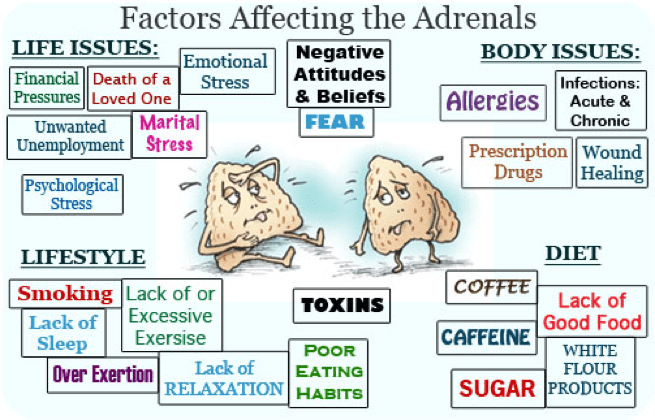
Vì căng thẳng mãn tính là nhân tố góp phần đáng kể vào nhiều vấn đề sức khỏe, chuyên gia y tế có thể khuyến nghị các hình thức điều trị nhắm vào mức căng thẳng. Những chiến lượng này có thể giúp giảm bớt phản ứng căng thẳng của cơ thể và giảm thiểu tổn hại cho sức khỏe thể chất và tinh thần. Các chiến lược điều trị nhắm vào căng thẳng bao gồm:
Because chronic stress is a significant contributor to many health problems,6 healthcare providers may advise treatments that target stress levels. Such strategies may help ease the body’s stress response and minimize its damage to health and well-being. Treatment strategies that target stress include:
– Tâm lý trị liệu: Một vài hình thức trị liệu có thể đặc biệt hữu hiệu giúp giảm mức căng thẳng. Bao gồm trị liệu nhận thức – hành vi (CBT), giúp người bệnh thay đổi những suy nghĩ tiêu cực góp phần gây căng thẳng, và Giảm căng thẳng dựa trên chánh niệm (MBSR), lồng ghép chánh niệm và thiền định nhằm giúp giảm bớt căng thẳng.
Psychotherapy: A few different types of therapy can be particularly effective for lowering stress levels. These include cognitive behavioral therapy (CBT), which helps people change the negative thoughts that contribute to stress, and mindfulness-based stress reduction (MBSR), which incorporates mindfulness and meditation to help people find relief from stress.
– Thuốc điều trị: Chuyên gia y tế có thể kê một số thuốc giúp giảm bớt cảm giác lo âu và căng thẳng. Thuốc chống trầm cảm và chống lo âu có thể làm giảm lo âu và cải thiện tâm trạng, từ đó giúp người bệnh bình tĩnh và bớt khó chịu hơn.
Medication: Healthcare providers may also prescribe medications that can ease feelings of anxiety and stress. Antidepressants and anti-anxiety medications can reduce anxiety and improve mood, which can help people feel calmer and less distressed.
Làm sao để ứng phó với tình trạng tuyến thượng thận hoạt động quá mức. How to Cope With Overactive Adrenal Glands
Trong điều kiện bình thường, phản ứng thư giãn của cơ thể rồi cũng sẽ xuất hiện để trả lại trạng thái trước lúc phản ứng chống trả – hay – bỏ chạy bị châm ngòi. Mặc dù căng thẳng mãn tĩnh và lo âu có thể khiến bạn kẹt lại trong trạng thái cảnh giác cao độ, vẫn có một số cách bạn có thể áp dụng để loại bỏ căng thẳng và kích thích phản ứng thư giãn.
Under normal circumstances, the body’s relaxation response eventually kicks in to return to the same state it was in before the fight-or-flight response was triggered. While chronic stress and anxiety might keep you in a heightened state of alert, there are strategies that you can use to ease stress and induce a relaxation response.
Việc học các kỹ năng kiểm soát căng thẳng có thể cũng giúp bạn kiểm soát tốt hơn phản ứng căng thẳng của cơ thể. Nhiều kỹ thuật khác nhau giúp người bệnh giảm bớt cortisol và các hormone căng thẳng khác giải phóng bởi tuyến thượng thận bao gồm:
Learning these stress management skills can also help you better control your body’s stress response. Various techniques that people may find helpful for lowering cortisol and other stress hormones released by the adrenal glands include:
– Các bài tập hít thở sâu. Deep breathing exercises7
– Tập thể dục. Exercise
– Mường tượng có hướng dẫn. Guided imagery
– Viết nhật ký. Journaling
– Thiền. Meditation
– Chánh niệm. Mindfulness
- Thư giãn cơ cấp tiến. Progressive muscle relaxation
– Yoga. Yoga
Những kỹ thuật này không chỉ mang đến dễ chịu tức thời khi tuyến thượng thận giải phóng các hormone căng thẳng, mà chúng còn giúp người bệnh xây dựng sức bật tinh thần tốt hơn trước căng thẳng kéo dài.
These techniques can not only provide quick relief when the adrenal glands release stress hormones, but they can also help people develop greater resilience to long-term stress.
Tổng kết. Recap
Tìm ra cách ứng phó với căng thẳng có thể giúp kích thích phản ứng thư giãn và giảm thiểu tác động của căng thẳng quá mức. Các kỹ thuật kết hợp cơ thể và tâm trí như hít thở sâu, chánh niệm và thiền có thể giúp loại bỏ căng thẳng trong hiện tại và tương lai.
Finding ways to cope with stress can help induce a relaxation response and minimize the impact of excess stress. Mind-body techniques such as deep breathing, mindfulness, and meditation can ease stress now and in the future.
Kết luận. Summary
Tuyến thượng thận đóng một vai trò quan trọng trong nhiều chức năng của cơ thể, bao gồ phản ứng căng thẳng. Căng thẳng quá mức có thể dẫn đến kích hoạt tuyến thượng thận trong thời gian dài, và tiếp xúc kéo dài mới các hormone căng thẳng do tuyến này sản sinh có thể có tác động cực kỳ nguy hại lên cả sức khỏe thể chất và tinh thần.
The adrenal glands play an important role in many body functions, including the stress response. Excessive stress can lead to prolonged activation of adrenal glands, and long-term exposure to the stress hormones that this gland produces can have serious detrimental effects on both physical and mental health.
Nếu bạn có các triệu chứng đáng lo ngại, hãy trao đổi với chuyên gia y tế. Họ có thể xác định xem liệu bạn có mắc một bệnh lý tiềm ẩn nào như một rối loạn tuyến thượng thận hay không. Cũng có một số cách bạn có thể áp dụng để kiểm soát căng thẳng và kích thích phản ứng thư giãn giúp loại bỏ lo âu và làm dịu cảm giác căng thẳng.
If you have concerning symptoms, talk to a healthcare provider. They can determine whether you might have an underlying condition such as an adrenal disorder. There are also strategies you can use to help get stress under control and induce a relaxation response that will ease anxiety and calm feelings of stress.
Tham khảo. Sources
Neunzig J, Bernhardt R. Dehydroepiandrosterone sulfate (DHEAS) stimulates the first step in the biosynthesis of steroid hormones. PLoS One. 2014;9(2):e89727. doi:10.1371/journal.pone.0089727
Gordan R, Gwathmey JK, Xie LH. Autonomic and endocrine control of cardiovascular function. World J Cardiol. 2015;7(4):204-14. doi:10.4330/wjc.v7.i4.204
American Psychological Association. Stress effects on the body.
Eunice Kennedy Shriver National Institute of Child Health and Human Development. Adrenal gland disorders.
National Institutes of Health. What are the treatments for adrenal gland disorders?. National Institute of Child Health and Human Development.
Nerurkar A, Bitton A, Davis RB, Phillips RS, Yeh G. When physicians counsel about stress: Results of a national study. JAMA Intern Med. 2013;173(1):76-77. doi:10.1001/2013.jamainternmed.480
Ma X, Yue ZQ, Gong ZQ, et al. The effect of diaphragmatic breathing on attention, negative affect and stress in healthy adults. Front Psychol. 2017;8:874. doi:10.3389/fpsyg.2017.00874
Nguồn: https://www.verywellmind.com/what-are-the-adrenal-glands-2794816
Như Trang.
 Exploring Psychology - Khám Phá Tâm Lý Học