
Mối quan hệ xã hội một chiều là một mối quan hệ một phía khi mà những người sử dụng mạng xã hội thích/gắn bó với một nhân vật truyền thông nào đó.
A parasocial relationship is a one-sided relationship that a media user engages in with a media persona.

Staley News
Người sử dụng truyền thông có thể hình thành mối quan hệ tình cảm với người nổi tiếng, các nhân vật hư cấu do người đóng, những người ảnh hưởng trên mạng xã hội, các nhân vật hoạt hình, và bất cứ nhân vật nào họ gặp trên các phương tiện truyền thông, như phim, show truyền hình, podcast, các buổi trò chuyện trên radio, hoặc các nền tảng mạng xã hội, như Twitter, Instagram, hoặc TikTok.
Media users can form parasocial relationships with celebrities, live-action fictional characters, social media influencers, animated characters, and any other figure they encounter through media, including movies, TV shows, podcasts, radio talk shows, or social media platforms, such as Twitter, Instagram, or TikTok.
Mặc dù nghiên cứu về mối quan hệ xã hội một chiều chủ yếu tập trung vào kết nối kiểu bạn bè giữa người sử dụng phương tiện truyền thông và người nổi tiếng, nhưng người dùng cũng có thể hình thành những mối quan hệ tiêu cực với người nổi tiếng, và thậm chí là các dạng quan hệ tình cảm một chiều với nhiều người nổi tiếng trên truyền thông.
While the research on parasocial relationships typically focuses on friendship-like bonds between a media user and a favored media persona, media users may also form negative parasocial relationships and even romantic parasocial relationships with different media figures.1
Lịch sử. History of Parasocial Relationships
Donald Horton và R. Richard Wohl đã tạo ra khái niệm mối quan hệ xã hội một chiều vào năm 1956, khi họ xuất bản bài báo mang tầm ảnh hưởng lớn có tên “Mass Communication and Para-Social Interaction: Observations on Intimacy at a Distance” trong tập san Thần kinh học.
Donald Horton and R. Richard Wohl originated the concept of parasocial relationships in 1956, when they published their seminal article “Mass Communication and Para-Social Interaction: Observations on Intimacy at a Distance” in the journal Psychiatry.2
Các dạng thức. Types of Parasocial Relationships
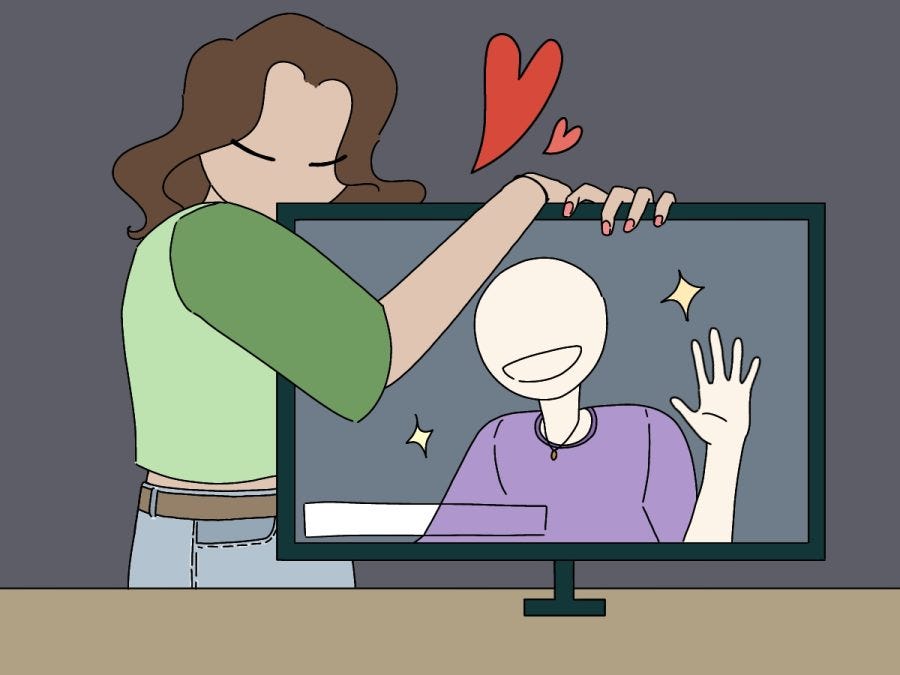
Các mối quan hệ xã hội một chiều có thể tồn tại theo nhiều dạng. Thường thì, những dạng thức khác nhau có thể đại diện cho nhiều giai đoạn khác nhau của mối quan hệ này:
Parasocial relationships can exist in a number of different forms. Oftentimes, these different forms may represent different stages of this type of relationship:
Tương tác xã hội một chiều. Parasocial Interactions
Tương tác xã hội một chiều được định nghĩa là kiểu “giao tiếp cho đi và nhận lại: giũa một người dùng truyền thông và một nhân vật truyền thông. Không giống như mối quan hệ xã hội một chiều, vốn mở rộng vượt ra khỏi tương tác truyền thông đơn lẻ và vận hành giống như một quan hệ thực tế hơn, theo góc độ tâm lý học, các tương tác xã hội một chiều diễn ra chỉ khi ta tương tác với một nhân vật qua truyền thông và xét theo góc độ tâm lý học, nó tương đồng với các tương tác trực tiếp ngoài đời thật.
Parasocial interactions are defined as the approximation of “conversational give and take” between a media user and media persona. Unlike parasocial relationships, which extend beyond a single media interaction and psychologically operate much like a real-life relationship,3 parasocial interactions take place exclusively while interacting with a persona via media and psychologically resemble real-life face-to-face interactions.
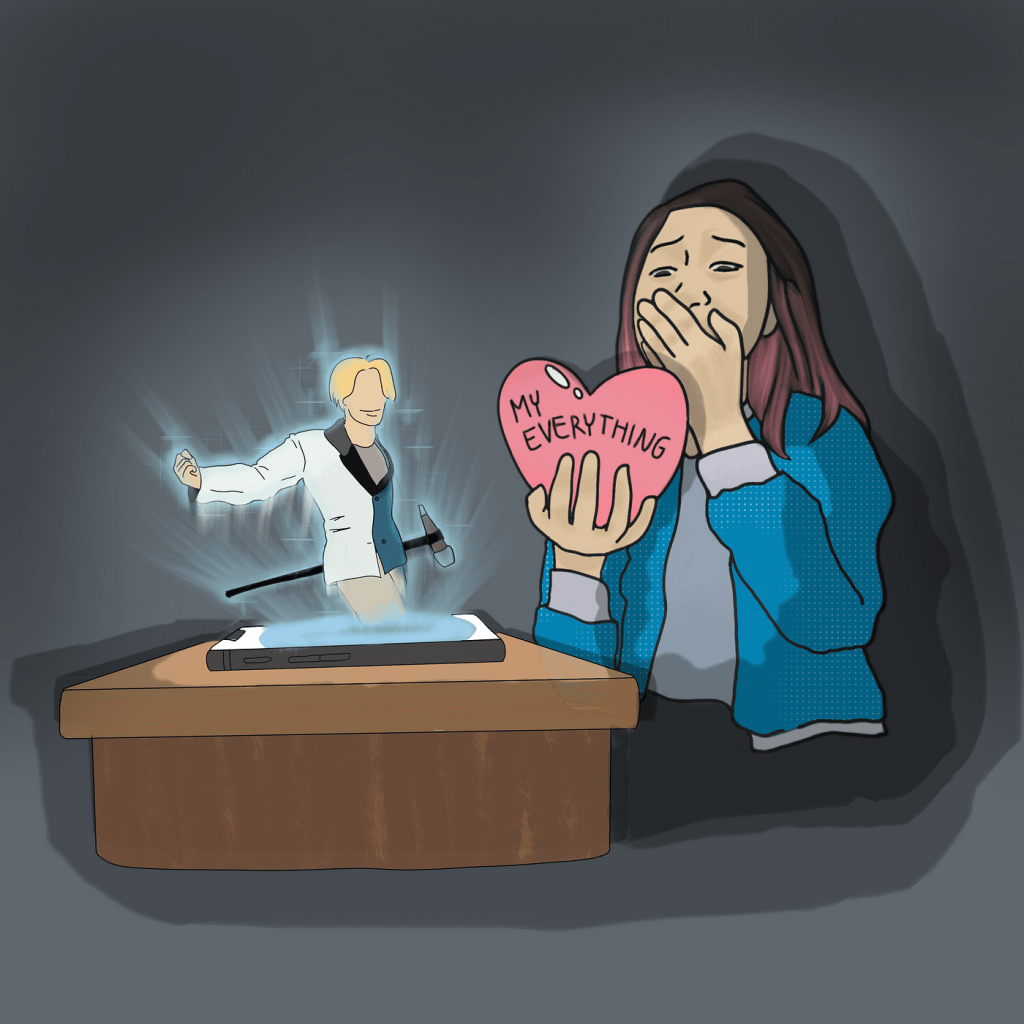
Ví dụ, nếu bạn cảm thấy mình nằm trong nhóm người mê xem các nhân vật trong phim Friends dành thời gian cũng nhau tại quán Central Perk, thì bạn đang có tương tác xã hội một chiều. Nếu bạn tiếp tục nghĩ về Rachel, Chandler, Monica hoặc một trong những thành viên khác của nhóm sau khi bạn xem hết các phần, có thể còn tham khảo hành vi của họ trong show như thể họ là người bạn quen, thì bạn đã đang hình thành một mối quan hệ xã hội một chiều với nhân vật đó của Friends.
For example, if you feel like you’re one of the gang while watching the characters from Friends spend time together at the Central Perk, you’re experiencing a parasocial interaction. If you continue to think about Rachel, Chandler, Monica, or one of the other members of the group after you’ve finished the episode, maybe even reference their behavior on the show as if they are someone you know, you’ve formed a parasocial relationship with that Friends character.
Tương tác xã hội một chiều và Mối quan hệ xã hội một chiều. Parasocial Interactions vs. Parasocial Relationships
Mặc cho những khác biệt giữa hai khái niệm, các học giả vẫn thường sử dụng qua lại cả hai thuật ngữ, từ đó gây bối rối trong các tổng quan nghiên cứu. Tuy nhiên, gần đây hơn, các học giả đã kết luận rằng mặc dù tương tác một chiều và quan hệ một chiều có liên quan, những chúng là hai khái niệm khác nhau.
Despite the differences between these concepts, scholars often used the ideas of parasocial interactions and parasocial relationships interchangeably, leading to confusion in the research literature. More recently, however, scholars have concluded that although parasocial interaction and parasocial relationships are related, they are distinct concepts.4
Gắn bó xã hội một chiều. Parasocial Attachments
Ngoài ra, khái niệm kết nối xã hội một chiều cũng được mở rộng bởi nhà tâm lý học truyền thông Gayle Stever, để bao gồm cả gắn bó xã hội một chiều. Dựa trên học thuyết gắn bó đề xuất bởi Bowlby, mô tả sự gắn kết sâu sắc hình thành giữa người chăm sóc và con trẻ cũng như giữa những người yêu nhau, gắn bó xã hội một chiều xảy ra khi một nhân vật truyền thông trở thành nguồn an ủi, nguồn bảo an và nơi trú ẩn an toàn” của một ai đó.
In addition, the concept of parasocial connections has been extended by media psychologist Gayle Stever to include parasocial attachments. Based on the theory of attachment originated by Bowlby, which describes the deep bonds formed between caregivers and children as well as between romantic partners, parasocial attachment happens when a media “persona becomes a source of comfort, felt security, and safe haven.”5
Cũng như tương tác và mối quan hệ xã hội một chiều, gắn bó xã hội một chiều vận hành tương tự như các dạng thức gắn bó trong đời thực và, vì vậy, là một cấu phần quan trọng trong gắn bó xã hội một chiều là tìm kiếm sự gần gũi.
Like parasocial interactions and relationships, parasocial attachments function similarly to attachments in real-life and, therefore, an important component of parasocial attachments is proximity seeking.
Tuy nhiên, thay vì tương tác trực tiếp, sự gần gũi trong các gắn bó xã hội một chiều đạt được thông qua các phương thức gián tiếp, như xem đi xem lại một nhân vật hư cấu trong một bộ phim hoặc show truyền hình hoặc theo dõi các tài khoản mạng xã hội của người nổi tiếng.
However, instead of direct interaction, the proximity in parasocial attachments is achieved through mediated means, such as watching and rewatching particular fictional characters in a movie or TV show or keeping up with media personalities’ social media accounts.
Mối quan hệ xã hội một chiều có lành mạnh không? Are Parasocial Relationships Healthy?
Các mối quan hệ xã hội một chiều có thể ảnh hưởng lên chúng ta theo nhiều cách. Một số ảnh hưởng có thể tiêu cực, những thực sự vẫn có những lợi ích từ dạng quan hệ này.
Parasocial relationships can impact people in several ways. Some of these influences can be negative, but there can actually be some benefits to this type of relationship
Hạn chế tiềm ẩn. Potential Drawbacks
Trong một bài tổng quan nghiên cứu, các nhà nghiên cứu đã phát hiện ra rằng, việc có một mối quan hệ một chiều với một nhân vật nổi tiếng có thể ảnh hưởng một số thứ của cá nhân người đó:
In a recent review of the literature, Researchers have found, for example, that having a parasocial relationship with a media personality can influence an individual’s:1
– Quan điểm chính trị. Political views
– Quyết định bầu cử. Voting decisions
– Hành vi mua sắm. Purchasing behavior
– Thái độ về khuôn mẫu giới. Attitudes about gender stereotypes
– Sự tin tưởng trong nhiều nhóm người khác nhau, như nhóm các nhà khoa học. Trust in various groups of people, such as scientists
Sự ảnh hưởng này có thể tích cực hoặc tiêu cực tùy thuộc vào liệu mối quan hệ một chiều với người nổi tiếng kia là tích cực hay tiêu cực.
This influence may be positive or negative depending on whether the parasocial relationship with the media figure is positive or negative.
Lợi ích tiềm ẩn. Potential Advantages
Các mối quan hệ một chiều chắc chắn là có hạn chế, nhưng chúng cũng có thể có một số lợi ích. Một số tác động tích cực là:
Parasocial relationships can certainly have drawbacks, but they may also have some benefits as well. Some of the positive effects include:
– Làm tăng cảm giác thuộc về: Nhìn theo hướng lạc quan hơn, các kết nối một chiều có thể làm tăng cảm giác tự tin, cải thiện niềm tin vào năng lực bản thân của một người, và từ đó cảm giác thuộc về sẽ càng mạnh mẽ hơn.
Increased belonging: On a more optimistic note, parasocial connections can increase self-confidence, improve one’s belief in their self-efficacy, and result in stronger feelings of belonging.
– Làm bớt cô đơn: Sự cô lập do giãn cách xã hội trong thời gian đại dịch COVID-19 đã làm tăng sự quan tâm dành cho vai trò “mang thai hộ” xã hội của các nhân vật nổi tiếng. Mặc dù nghiên cứu về chủ đề này vẫn còn hạn chế, nhưng những người không có phương thức giải tỏa xã hội khác khi bị giãn cách đã hướng đến TV và các nhân vật trong phim cũng như mạng xã hội trực tuyến để thỏa mãn nhu cầu tương tác và kết nối.
Reduced loneliness: The isolation caused by quarantine orders issued during the COVID-19 pandemic has increased interest in the social surrogacy role media figures can play. Although the research on this topic is limited, people who didn’t have other social outlets while they were in lockdown turned to TV and movie characters and online social media to satisfy their need for interaction and connection.5
– Kết nối xã hội mạnh mẽ hơn: Vì bạn bè và gia đình có thể có cùng mối quan hệ một chiều với cùng một người nổi tiếng mà không sợ bị ghen tuông, nên việc thảo luận về những mối quan hệ một chiều này có thể tăng cường các mối quan hệ xã hội của bạn. Người hâm mộ cũng thường tạo ra những cộng đồng trực tiếp và trực tuyến để ủng hộ cho những nghệ sĩ, nhân vật và các nhân vật nổi tiếng khác, điều này có thể góp phần củng cố mối quan hệ thực với những người khác có cùng chung lý tưởng.
Stronger social connections: Because friends and family can engage in parasocial relationships with the same media persona without jealousy, discussing these mutual parasocial relationships can strengthen social relationships.6 Fans also often create online or in-person communities dedicated to specific performers, characters, and other media figures, which can contribute to real-life relationships with like-minded others.7

Tổng kết. Recap
Các mối quan hệ xã hội một chiếu có những hạn chế và một số lợi ích. Một số người có thể bị ảnh hưởng bởi những người nổi tiếng theo nhiều cách tiêu cực. Tuy nhiên, những mối quan hệ này có thể cũng làm tăng cảm nhận được thuộc về, tăng kết nối xã hội và giúp con người ta ứng phó với khoảng thời gian dài bị hạn chế tiếp xúc xã hội.
Parasocial relationships have drawbacks and some benefits. Some people may be influenced by media personalities in negative ways. However, these relationships can also increase the sense of belonging, increase social connections, and help people cope with a long period of limited social contact.
Quá trình hình thành. How Do Parasocial Relationships Form?
Cũng như mối quan hệ trực tiếp, mối quan hệ ảo/một chiều bắt đầu khi một ai đó gặp gỡ và làm quen với một nhân vật truyền thông. Tương tác khởi đầu này có thể là nhìn thấy họ trên một show truyền hình hoặc một bộ phim, theo dõi họ trên mạng xã hội hay thậm chí là tương tác với họ trực tuyến hoặc ngoài đời thật.
Like in-person relationships, parasocial relationships start when someone meets and gets acquainted with a media persona. This initial parasocial interaction might involve seeing the individual on a tv show or movie, following them on social media, or even interacting with them online or in real life.
Nếu nhân vật này tạo ra một ấn tượng khiến người dùng nghĩ về họ ngoài chính tương tác này, thì các tương tác một chiều có thể đưa đến mối quan hệ ảo/một chiều. Ngược lại, các mối quan hệ một chiều này có thể được củng cố thêm bởi các tương tác ảo, đôi khi đưa đến tình trạng gắn bó một chiều.
If the persona makes an impression that causes the individual to think about them beyond the interaction, parasocial interactions can lead to a parasocial relationship.8 In turn, parasocial relationships can be strengthened by further parasocial interactions,9 sometimes leading to parasocial attachment.
Ngoài ra, nếu mối quan hệ một chiều này kết thúc, hoặc vì nhân vật qua đời, show hoặc chuỗi bộ phim họ tham gia kết thúc, hay người dùng truyền thông quyết định họ không còn muốn gắn kết với nhân vật này nữa, thì người dùng có thể trải qua giai đoạn “chia tay” với mối quan hệ một chiều này.
Moreover, if the parasocial relationship ends, either because the media figure dies, the show or movie series they appear in ends, or the media user decides they no longer wish to engage with the media persona, the media user can go through a parasocial breakup.
Nghiên cứu đã phát hiện ra chúng ta phản hồi lại sự mất mát sau một mối quan hệ một chiều tương tự như với một mối quan hệ xã hội thật. Ví dụ, khi một show truyền hình Friends kết thúc, những người có mối quan hệ một chiều mạnh mẽ nhất với một trong các nhân vật sẽ cảm thấy cực kỳ khó chịu.
Research has found that people respond to the loss of a parasocial relationship in ways that are similar to the loss of a social relationship. For example, when the TV show Friends ended, those with the strongest parasocial relationships with one of the characters expressed the most distress.10
Tại sao chúng ta hình thành các mối quan hệ một chiều? Why Do We Form Parasocial Relationships?
Nghe có vẻ lạ lẫm nhưng con người ta hình thành các mối quan hệ một chiều mặc cho việc không được hồi đáp lại, nhưng điều quan trọng cần nhớ là con người đều tiến hóa theo hướng tạo kết nối xã hội. Truyền thông là một bước phát triển khá mới trong lịch sử loài người và vẫn chưa tạo được ảnh hưởng vượt mức lên sự tiến hóa, thay vào đó, đặc tính xã hội mà ta tiến hóa để đảm bảo ta hình thành những mối quan hệ với mọi người đã được mở rộng đến sử dụng phương tiện truyền thông.
It may seem strange that people form parasocial relationships despite their lack of reciprocity, but it’s important to remember that humans are evolutionarily wired to make social connections. Media is a relatively recent development in human history and hasn’t yet had an outsized impact on our evolution, Instead, the social characteristics we’ve evolved to ensure we form interpersonal relationships have been extended to media use.11
Cụ thể, con người hay đặc biệt chú ý đến những khuôn mặt và giọng nói của người khác. Qua nhiều thế kỷ, những gương mặt và giọng nói ta thường bắt gặp chỉ là của những người trong đời sống hằng ngày. Điều này thay đổi kể từ đầu thế kỷ 20 với sự xuất hiện của radio và phim ảnh, và đến lúc TV dần trở nên phổ biến, số lượng khuôn mặt và giọng nói mà một người cảm thấy thân thuộc qua truyền thông đã gia tăng theo hàm mũ.
In particular, humans tend to pay special attention to other humans’ faces and voices. For centuries, the only faces and voices we regularly encountered were those of the people in our daily lives. That changed starting in the early 20th century with the advent of radio and movies, and by the time television became widely available, the number of faces and voices one could become familiar with through media had grown exponentially.
Tuy nhiên, não bộ của chúng ta chưa bao giờ tiến hóa để phân biệt người ta gặp và nghe qua truyền thông và những người ta gặp và nghe trong đời sống thực. Vì vậy, chúng ta xử lý và phản hồi lại những kiểu gặp gỡ này một cách tương tự, từ đó hình thành nên những dạng quan hệ một chiều.
However, our brains never evolved to distinguish between people we see and hear through media and those we see and hear in our real lives. Therefore, we process and respond to these encounters similarly,12 leading to parasocial phenomena in all its forms.
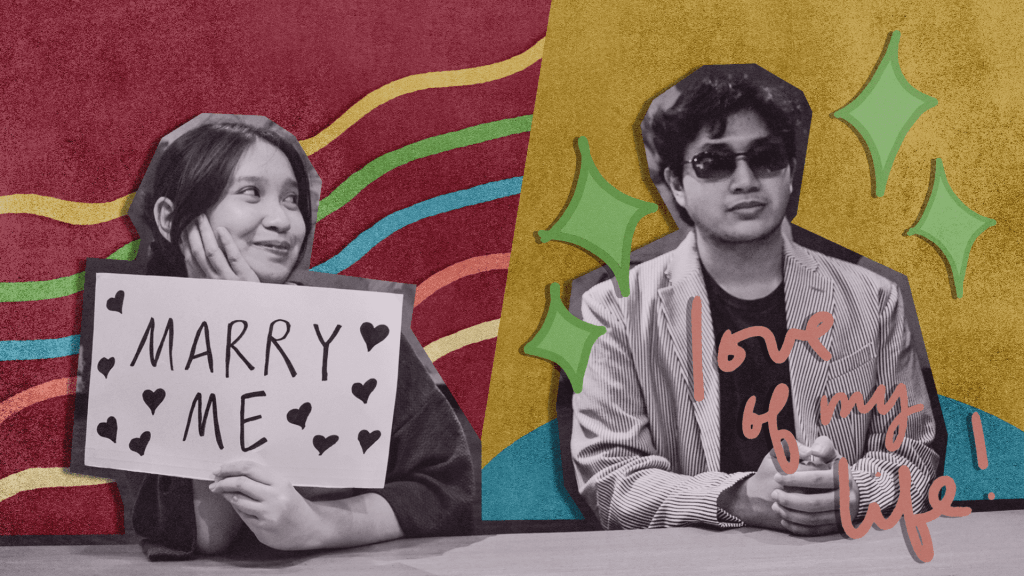
Mặc dù các nghiên cứu tâm lý học đôi lúc cũng cố gắng cân nhắc theo góc độ bệnh lý học các mối quan hệ một chiều, nhưng hầu hết các học giả đều thống nhất rằng việc có kết nối xã hội một chiều là bình thường. Nó là một thứ mà hầu hết chúng ta đều trải qua.
While psychological research has sometimes attempted to pathologize parasocial relationships, most scholars now agree that engaging in parasocial connections is normal. It is something that a majority of people experience.5
Điều quan trọng cần lưu ý là hầu hết chúng ta đều biết mối quan hệ của mình với các nhân vật nổi tiếng đều không thật. Tuy nhiên, sự thừa nhận này không ngăn con người ta phản ứng lại như thể chúng có tồn tại thật.
It is also important to note that most people know that their relationships with media figures are not real. However, this knowledge doesn’t prevent them from reacting as if they were.
Mạng xã hội có làm thay đổi mối quan hệ với người nổi tiếng? Does Social Media Change Parasocial Relationships?
Ngày nay, hầu hết các nghiên cứu về hiện tượng yêu mến người không quen đã tập trung nhiều vào phim ảnh và truyền hình, trong khi những phương tiện truyền thông mới chỉ được tập trung bằng 1/5 so với hai nội dung trên.
To date, the majority of studies on parasocial phenomena has focused on film and TV, while new media has been the focus of less than one-fifth of the investigations.1
Tuy nhiên, các phương tiện truyền thông mới, và đặc biệt là mạng xã hội chắc chắn đã đang thay đổi bản chất của các mối quan hệ với người nổi tiếng. Một trong những mối quan tâm đặc biệt ở đây là liệu việc có thể trao đổi và liên hệ trực tiếp với một người nổi tiếng online có khiến mối quan hệ không quen trở nên “quen” hơn hay không. Ví dụ, nếu một người hâm mộ trao đổi tin nhắn với diễn viên yêu thích qua Twitter, thì mối quan hệ có đi theo chiều hướng “xã hội” hơn không.
Nonetheless, new media, and especially social media has surely changed the nature of parasocial relationships. Of particular interest is whether the ability to directly communicate and possibly be contacted by a media figure online might make parasocial relationships more social. For example, if a fan exchanges direct messages with their favorite actor via Twitter, the relationship takes on a social dimension.
Sự liên tục mối quan hệ xã hội hai chiều-một chiều. The Social-Parasocial Continuum
Kết quả là, các nhà nghiên cứu đã đề xuất rằng các mối quan hệ một chiều và hai chiều nên được cân nhắc vận hành trên một thể liên tục.
As a result, researchers have proposed that parasocial and social relationships should be seen as operating along a continuum.5
– Trên đầu xã hội/hai chiều của phổ là những người ta thường xuyên tương tác trong cuộc sống hằng ngày. On the social end of the spectrum are the people we regularly interact with in our daily lives.
– Trên đầu một chiều của phổ là những nhân vật truyền thông mà ta không tiếp cận được, như các nhân vật hư cấu hoặc những nghệ sĩ đã qua đời. On the parasocial end of the spectrum are media personalities we have no access to, such as fictional characters or performers that have passed away.
- Ở giữa hai đầu là những mối quan hệ với những người nổi tiếng mà ta có khả năng tương tác dù là trong đời thực hoặc online. In between those two extremes are relationships with celebrities that one has the potential to interact with either in real-life or online.
Điều này có thể tồn tại dưới dạng gặp gỡ với một ngôi sao nhạc pop sau một buổi nhạc, hoặc bắt gặp một diễn viên khi đang mua sắm tại Hollywood. Tuy nhiên, sự lớn mạnh của mạng xã hội đã làm tăng khả năng người hâm mộ có thể tiếp cận được những nhân vật nổi tiếng họ yêu thích trên mạng.
This can take the form of meeting a pop star after their concert or running into an actor while out shopping in Hollywood. However, the rise of social media has increased the likelihood that fans can gain access to their favorite celebrities online.
Ví dụ, khi một người dùng phản hồi lại một bài đăng của một nghệ sĩ mình yêu thích trên Twitter, người nghệ sĩ có thể xác nhận họ bằng các nhấn thích hoặc trả lời lại tin nhắn của họ. Những học giả đã cho rằng trong những trường hợp này, mối quan hệ giữa người hâm mộ và nghệ sĩ vẫn nên được cân nhắc theo hướng một chiều vì cho dù được người nổi tiếng công nhận trên mạng xã hội, thì người dùng vẫn thiếu tiếp cận trực tiếp với người mình yêu mến.
For example, when a media user responds to a post by their favorite performer on Twitter, the performer may acknowledge them by liking or re-tweeting their message. Scholars have proposed that in these circumstances the relationship between fan and performer should still be considered parasocial because despite the social recognition by the media figure, the media user still lacks direct access to them.13
Tổng kết. Recap
Các mối quan hệ với người nổi tiếng tồn tại trên một phổ cùng với các mối quan hệ xã hội khác, và mạng xã hội đã đang đóng một vài trò lớn trong quá trình hình thành và duy trì những mối quan hệ kiểu này. Việc theo dõi một nhân vật mình yêu thích trên mạng xã hội có thể làm sâu sắc thêm mối quan hệ với người nổi tiếng này.
Parasocial relationships exist on a spectrum with other social relationships, and social media has played a role in how these relationships are formed and maintained. Following a favorite media figure on social media can deepen a parasocial relationship.
Kết luận. Bottom lines
Mặc dù vẫn cần thêm nghiên cứu về mối quan hệ với người nổi tiếng, nhưng đã có bằng chứng cho thấy những mối quan hệ kiểu này có thể có bất lợi và lợi ích tiềm ẩn. Các nhà nghiên cứu tin rằng những quan hệ dạng này là bình thường và khá phổ biến, nhưng bạn nên trao đổi với chuyên gia nếu những suy nghĩ và hành vi của bạn về một người nổi tiếng đang gây khó chịu hoặc cản trở quá trình vận hành cuộc sống bình thường của bạn.
While more research on parasocial relationships is needed, evidence suggests that these relationships can have downsides and potential benefits. Researchers believe that these relationships are normal and fairly common, but you should talk to a professional if your thoughts and behaviors about a media figure are causing distress or interfering with your ability to function normally.
Tham khảo. Sources
Liebers N, Schramm H. Parasocial Interactions and Relationships with Media Characters–An Inventory of 60 Years of Research. Communication Research Trends. 2019;38(2):4-31.
Horton D, Wohl RR. Mass Communication and Para-Social Interaction: Observations on Intimacy at a Distance. Psychiatry. 1956;19(3):215-229. doi:10.1080/00332747.1956.11023049
Giles DC. Parasocial Interaction: A Review of the Literature and a Model for Future Research. Media Psychol. 2002;4(3):279-305. doi:10.1207/s1532785xmep0403_04
Dibble JL, Hartmann T, Rosaen SF. Parasocial Interaction and Parasocial Relationship: Conceptual Clarification and a Critical Assessment of Measures. Hum Commun Res. 2015;42(1):21-44. doi:10.1111/hcre.12063
Stever GS. Processes of Audience Involvement. In: Stever GS, Giles DC, Cohen JD, Myers ME. Understanding Media Psychology. 1st ed. New York: Routledge; 2021:183-204.
Branch SE, Wilson KM, Agnew CR. Committed to Oprah, Homer, or House: Using the investment model to understand parasocial relationships. Psychol Pop Media Cult. 2013;2(2):96-109. doi:10.1037/a0030938
Sanderson J. “You Are All Loved so Much”: Exploring relational maintenance within the context of parasocial relationships. Journal of Media Psychology: Theories, Methods, and Applications. 2009;21(4):171-182. doi:10.1027/1864-1105.21.4.171
Giles D. Psychology Of The Media. Basingstoke: Palgrave Macmillan; 2010.
Hu M. The influence of a scandal on parasocial relationship, parasocial interaction, and parasocial breakup. Psychol Pop Media Cult. 2016;5(3):217-231. doi:10.1037/ppm0000068
Eyal K, Cohen J. When Good Friends Say Goodbye: A Parasocial Breakup Study. J Broadcast Electron Media. 2006;50(3):502-523. doi:10.1207/s15506878jobem5003_9
Stever GS. How do parasocial relationships with celebrities contribute to our development across the lifespan?. In: Shackleford KE, ed. Real Characters: The Psychology Of Parasocial Relationships With Media Characters. 1st ed. Santa Barbara: Fielding University Press; 2020:119-144.
Stever GS. Fan Behavior and Lifespan Development Theory: Explaining Para-social and Social Attachment to Celebrities. J Adult Dev. 2011;18(1):1-7. doi:10.1007/s10804-010-9100-0
Stever GS, Lawson KE. Twitter as a way for celebrities to communicate with fans: Implications for the study of parasocial interaction. North American Journal of Psychology. 2013;15(2):339-354.
Nguồn: https://www.verywellmind.com/what-is-a-parasocial-relationship-5210770
Như Trang.
 Exploring Psychology - Khám Phá Tâm Lý Học
Trang trở về định dạng này tuyệt thật, song ngữ is the best. Noi vào thấy trang cập nhật lạ quá ☠️
ThíchThích
Cám ơn bạn đã ủng hộ.
ThíchThích