
Hít thở là hoạt động thiết yếu cho cuộc sống thường diễn ra mà ta không mấy để ý đến. Khi bạn hít thở, các tế bào máu tiếp nhận oxy và giải phóng CO2. CO2 là chất thải được đưa về lại cơ thể và được đẩy ra ngoài theo hơi thở ra.
Breathing is a necessity of life that usually occurs without much thought. When you breathe in, blood cells receive oxygen and release carbon dioxide. Carbon dioxide is a waste product that’s carried back through your body and exhaled.
Hít thở không đúng cách có thể gây cản trở cho quá trình trao đổi O2 và CO2, góp phần gây lo âu, các cơn hoảng loạn, mệt mỏi và các rối loạn cảm xúc và thể chất khác.
Improper breathing can upset the oxygen and carbon dioxide exchange and contribute to anxiety, panic attacks, fatigue, and other physical and emotional disturbances.1
Lần tới nếu bạn đang cảm thấy lo âu, có khác nhiều kỹ thuật thở bạn có thể thử để giảm lo âu. Hãy học cách sử dụng các bài tập thở để giúp giải tỏa cảm giác lo âu và căng thẳng.
The next time you’re feeling anxious, there are a variety of anxiety breathing exercises to try. Learn how to use breathing exercises to help relieve feelings of anxiety and stress.
Gợi ý. Tip
Cách bạn hít vào và thở ra tùy theo loại bài tập thở mà bạn tập. Nhiều bài tập thở sẽ yêu cầu bạn hít vào từ từ bằng mũi và thở ra bằng miệng, nhưng cũng có một số bài khác lại yêu cầu bạn hít vào và thở ra bằng mũi.
How you breathe in and how depends on the type of breathing exercise you are using. Many breath exercises involve breathing in slowly through your nose and exhaling through your mouth., but some others may direct you to breathe in and out through your nose.
Hít thở luân phiên bằng lỗ mũi. Alternate-Nostril Breathing
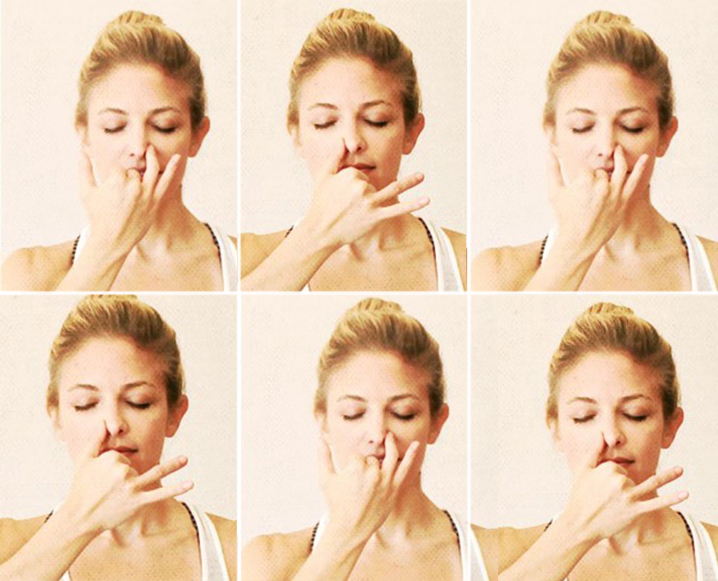
Hít thở luân phiên bằng lỗ mũi (thở nadi shodhana) là bịt một bên lỗ mũi và thở bằng bên còn lại, sau đó liên tục đổi bên. Loại bài tập thở giảm lo âu này nên được tập khi ngồi để duy trì tư thế.
Alternate-nostril breathing (nadi shodhana) involves blocking off one nostril at a time as you breathe through the other, alternating between nostrils in a regular pattern.2 It’s best to practice this type of anxiety-relieving breathing in a seated position in order to maintain your posture.
– Đưa bàn tay phải lên, gập ngón trỏ và và ngón giữa vào lòng bàn tay, duỗi ngón cái, ngón đeo nhẫn và ngón út ra. Đây được gọi là Thủ ấn Vishnu trong yoga. Position your right hand by bending your pointer and middle fingers into your palm, leaving your thumb, ring finger, and pinky extended. This is known as Vishnu mudra in yoga.
- Nhắm mắt và nhẹ ngành hướng mắt về phía trước. Close your eyes or softly gaze downward.
– Bắt đầu hít vào và thở ra. Inhale and exhale to begin.
– Bịt lỗ mũi bên phải bằng ngón cái. Close off your right nostril with your thumb.
– Hít vào bằng lỗ mũi bên trái. Inhale through your left nostril.
– Bịt lỗ mũi bên trái bằng ngón đeo nhẫn. Close off your left nostril with your ring finger.
– Mở tay và thở ra bằng lỗ mũi bên phải. Open and exhale through your right nostril.
– Hít vào bằng lỗ mũi bên phải. Inhale through your right nostril.
– Bịt lỗ mũi bên phải bằng ngón cái. Close off your right nostril with your thumb.
– Mở tay và thở ra bằng lỗ mũi bên trái. Open and exhale through your left nostril.
– Hít vào bằng lỗ mũi bên trái. Inhale through your left nostril.
Tập 10 lần bài tập thở này. Nếu bạn bắt đầu cảm thấy đầu óc lâng lâng, hãy nghỉ giải lao một chút bằng cách thả lỏng cả hai lỗ mũi và hít thở bình thường.
Work up to 10 rounds of this breathing pattern. If you begin to feel lightheaded, take a break by releasing both nostrils and breathing normally.
Thở bụng. Belly Breathing
Theo Viện nghiên cứu Căng thẳng Mỹ, dành ra 20-30 phút “hít thở bằng bụng” còn gọi là hít thở bằng cơ hoành mỗi ngày có thể làm giảm căng thẳng và lo âu.
According to The American Institute of Stress, 20 to 30 minutes of “belly breathing,” also known as abdominal breathing or diaphragmatic breathing, each day can reduce stress and anxiety.3
– Hãy tìm một nơi yên tĩnh, thoải mái để ngồi hoặc nằm xuống. Ví dụ, hãy thử ngồi trên một chiếc ghế, chân ngồi bắt chéo, hoặc nằm ngửa với một chiếc gối nhỏ đặt dưới đầu và một cái khác đặt dưới đầu gối. Find a comfortable, quiet place to sit or lie down. For example, try sitting in a chair, sitting cross-legged, or lying on your back with a small pillow under your head and another under your knees.
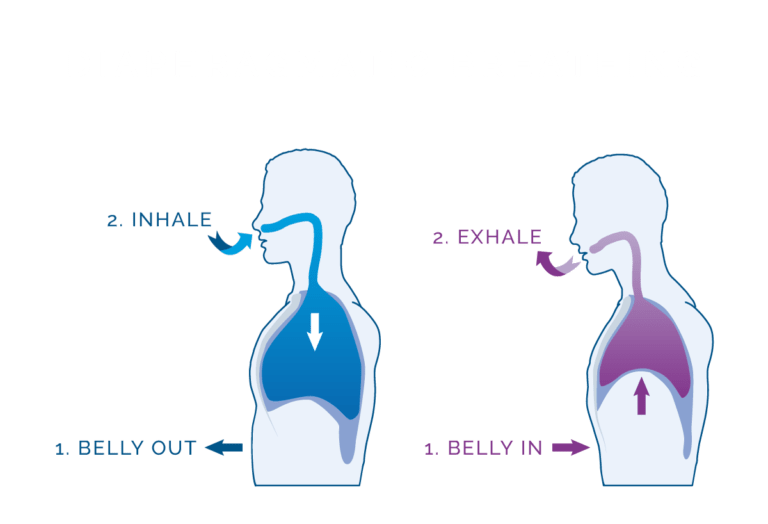
– Đặt một tay lên phần ngực trên và tay còn lại lên bụng, dưới lồng ngực. Place one hand on your upper chest and the other hand on your belly, below the ribcage.
– Để bụng thư giãn, không cần cố ép bụng xuống bằng cách siết hay ghì cơ. Allow your belly to relax, without forcing it inward by squeezing or clenching your muscles.
– Hít vào từ từ bằng mũi. Khí nên đi vào bằng mũi và đi dần xuống dưới để bạn cảm nhận tay trên bụng nhô lân và xẹp xuống (hướng về phía cột sống). Breathe in slowly through your nose. The air should move into your nose and downward so that you feel your stomach rise with your other hand and fall inward (toward your spine).
- Thở ra từ từ qua môi khép hờ. Đẻ ý tay đặt trên ngực vẫn giữ nguyên vị trí. Exhale slowly through slightly pursed lips. Take note of the hand on your chest, which should remain relatively still.
Mặc dù tần suất trình tự có thể khác nhau tùy theo sức khỏe của bạn nhưng hầu hết mọi người đều bắt đầu bằng 3 lần và tập trong 5 đến 10 phút, 1 đến 4 lần trên một ngày.
Although the sequence frequency will vary according to your health, most people begin by doing the exercise three times and working up to five to 10 minutes, one to four times a day.
Thở hộp. Box Breathing
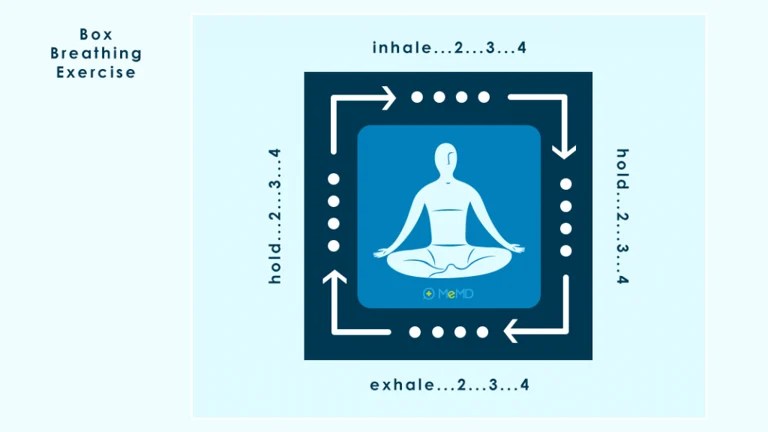
Còn được gọi là thở ô vuông, thở hộp rất dễ học và tập theo. Trong thực tế, nếu bạn đã từng hít vào và thở ra theo nhịp của một bài hát thì bạn đã quen với dạng thức thở này. Tiến trình như sau:
Also known as four-square breathing, box breathing is very simple to learn and practice. In fact, if you’ve ever noticed yourself inhaling and exhaling to the rhythm of a song, you’re already familiar with this type of paced breathing. It goes like this:
– Thở ra đếm đến 4. Exhale to a count of four.
- Giữ phổi rỗng và đếm đến 4. Hold your lungs empty for a four-count.
– Hít vào đếm đến 4. Inhale to a count of four.
– Giữ hơi trong phổi và đếm đến 4. Hold the air in your lungs for a count of four.
– Thở ra và bắt đầu vòng thở mới. Exhale and begin the pattern anew.
Bài thở 4-7-8. 4-7-8 Breathing
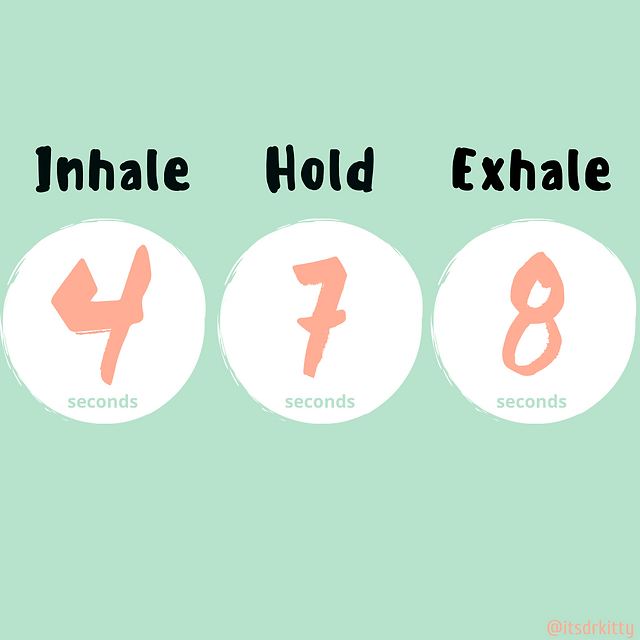
Bài thở 4-7-8, còn được gọi là thở thư giãn, đóng vai trò là một thuốc an thần tự nhiên cho hệ thần kinh. Đầu tiên, nó nên được thực hành với thư thế ngồi thẳng lưng. Tuy vậy, một khi đã quen hơn với bài thở, bạn có thể tập ngay cả khi đang nằm.
The 4-7-8 breathing exercise, also called the relaxing breath, acts as a natural tranquilizer for the nervous system. At first, it’s best to perform the exercise seated with your back straight. Once you become more familiar with this breathing exercise, however, you can perform it while lying in bed.
– Đặt và giữa đầu lưỡi chạm vào phần vòm lợi sau răng cửa trên trong suốt lúc tập. Place and keep the tip of your tongue against the ridge of tissue behind your upper front teeth for the duration of the exercise.
– Thở ra hoàn toàn bằng miệng, tạo ra âm thanh như tiếng “gió”. Completely exhale through your mouth, making a “whoosh” sound. Close your mouth and inhale quietly through your nose to a mental count of four.
– Giữ hơi đếm đến 7. Hold your breath for a count of seven.
– Thở ra hoàn toàn bằng miệng, tạo tiếng gió và đếm đến 8. Exhale completely through your mouth, making a whoosh sound to a count of eight.
Thở sư tử. Lion’s Breath

Thở sư tử, hay thở simhasana trong tiếng Phạn, là thè lưỡi và rống lên như một chú sư tử, đây là một bài tập thở khá hữu ích. Nó có thể giúp thư giãn cơ mặt và hàm, giảm căng thẳng và cải thiện chức năng tim mạch.
Lion’s breath, or simhasana in Sanskrit, during which you stick out your tongue and roar like a lion, is another helpful deep breathing practice. It can help relax the muscles in your face and jaw, alleviate stress, and improve cardiovascular function.4
Bài tập này nên được thực hiện ở một tư thế ngồi thoải mái, nương nhẹ bàn tay trên đùi hoặc trên sàn nhà.
The exercise is best performed in a comfortable, seated position, leaning forward slightly with your hands on your knees or the floor.
– Xòe các ngón tay càng rộng càng tốt. Spread your fingers as wide as possible.
– Hít vào bằng mũi. Inhale through your nose.
– Mở miệng, thè lưỡi ra ngoài, và kéo xuống hướng cằm. Open your mouth wide, stick out your tongue, and stretch it down toward your chin.
– Dùng lực thở hắt ra, mang theo hơi thở đi qua cuống lưỡi. Exhale forcefully, carrying the breath across the root of your tongue.
– Trong khi thở ra, tạo âm thanh “ha” xuất phát từ sâu từ ổ bụng. While exhaling, make a “ha” sound that comes from deep within your abdomen.
– Hít thở bình thường một vài nhịp. Breathe normally for a few moments.
– Lặp lại thở khoảng 7 lần. Repeat lion’s breath up to seven times.
Hít thở chánh niệm. Mindfulness Breathing

Thiền chánh niệm là tập trung vào hơi thở và mang sự chú ý trở lại khoảnh khắc hiện tại mà không để cho tâm trí trôi về quá khứ hoặc tương lai. Tập hít thở chánh niệm đều hướng đến cùng mục đích, là giúp loại bỏ căng thẳng.
Mindfulness meditation involves focusing on your breathing and bringing your attention to the present without allowing your mind to drift to the past or future. Engaging in mindfulness breathing exercises serves the same purpose, which can help ease your anxiety.
Một bài hít thở chánh niệm còn có thể bao hàm một điểm tĩnh lặng, như một âm thanh (tiếng “om”), một từ tích cực (“bình yên”) hoặc cụm từ (“hít vào bình an, thở ra căng thẳng”) lặp thầm trong đầu khi bạn hít vào hoặc thở ra. Hãy buông bỏ và thư giãn. Nếu bạn để ý thấy tâm trí đang dần trôi, hít một hơi thật sâu và nhẹ nhàng đưa sự chú ý trở lại hiện tại.
One mindfulness breathing exercise to try involves choosing a calming focus, including a sound (“om”), positive word (“peace”), or phrase (“breathe in calm, breathe out tension”) to repeat silently as you inhale or exhale. Let go and relax. If you notice that your mind has drifted, take a deep breath and gently return your attention to the present.
Thở chúm môi. Pursed-Lip Breathing

Thở chúm môi là một bài tập thở đơn giản giúp hơi thở sâu, chậm hơn và có chủ đích hơn. Kỹ thuật này được chứng minh là có lợi cho những người mắc chứng lo âu liên quan đến bệnh lý phổi như khí phế thũng và Phổi tắc nghẽn mãn tính (COPD).
Pursed-lip breathing is a simple breathing technique that will help make deep breaths slower and more intentional. This technique has been found to benefit people who have anxiety associated with lung conditions like emphysema and chronic obstructive pulmonary disease (COPD).5
– Ngồi tư thế thoải mái, cổ vai thả lỏng. Sit in a comfortable position with your neck and shoulders relaxed.
– Giữ miệng đóng, hít vào từ từ bằng lỗ mũi trong hai giây. Keeping your mouth closed, inhale slowly through your nostrils for two seconds.
– Thở ra bằng miệng trong bốn giây, chúm môi lại như đang hôn. Exhale through your mouth for four seconds, puckering your lips as if giving a kiss.
– Thở ra chậm và đều. Keep your breath slow and steady while breathing out.
Để thở đúng, chuyên gia khuyến nghị tập thở chúm môi 4 đến 5 lần một ngày.
To get the correct breathing pattern, experts recommend practicing pursed-lip breathing four to five times a day.6
Hít thở cộng hưởng. Resonance Breathing
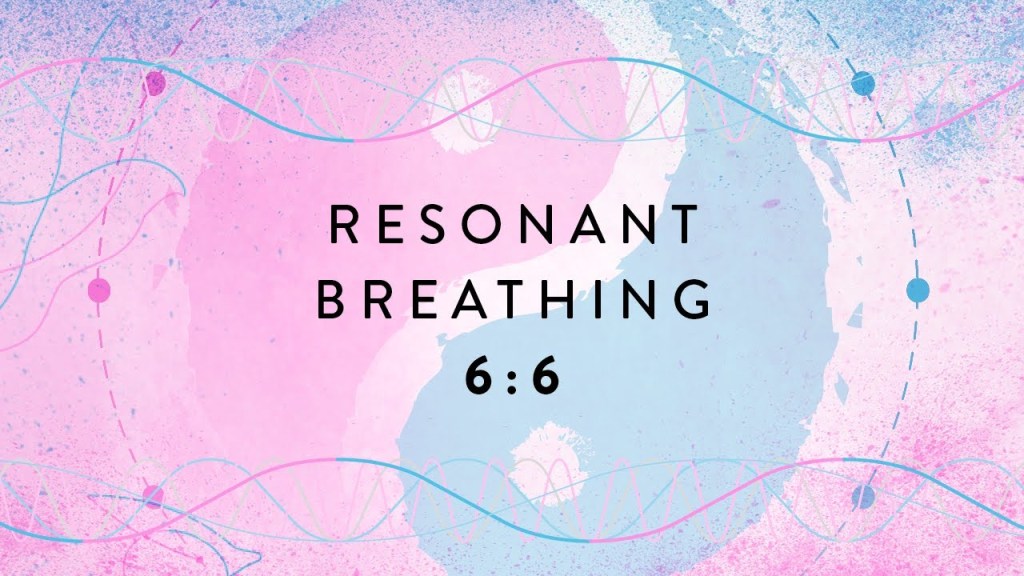
Hít thở cộng hưởng, hoặc thở liên kết, có thể giúp bạn bước vào trạng thái thư giãn và giảm lo âu.
Resonance breathing, or coherent breathing, can help you get into a relaxed state and reduce anxiety.7
– Nằm xuống và nhắm hai mắt lại. Lie down and close your eyes.
– Hít vào nhẹ nhàng bằng mũi, miệng khép, đếm 6 giây. Đừng lấp đầy quá nhiều không khí. Gently breathe in through your nose, mouth closed, for a count of six seconds. Don’t fill your lungs too full of air.
– Thở ra đếm trong 6 giây, cho phép hơi thở rời khỏi cơ thể từ từ và nhẹ nhàng, không ghì. Exhale for six seconds, allowing your breath to leave your body slowly and gently without forcing it.
– Tiếp tục tập trong 10 phút. Continue for up to 10 minutes.
– Dành thêm một vài phút để tĩnh lặng và tập trung vào cảm giác của cơ thể. Take a few additional minutes to be still and focus on how your body feels.
Tập thở đơn giản. Simple Breathing Exercise
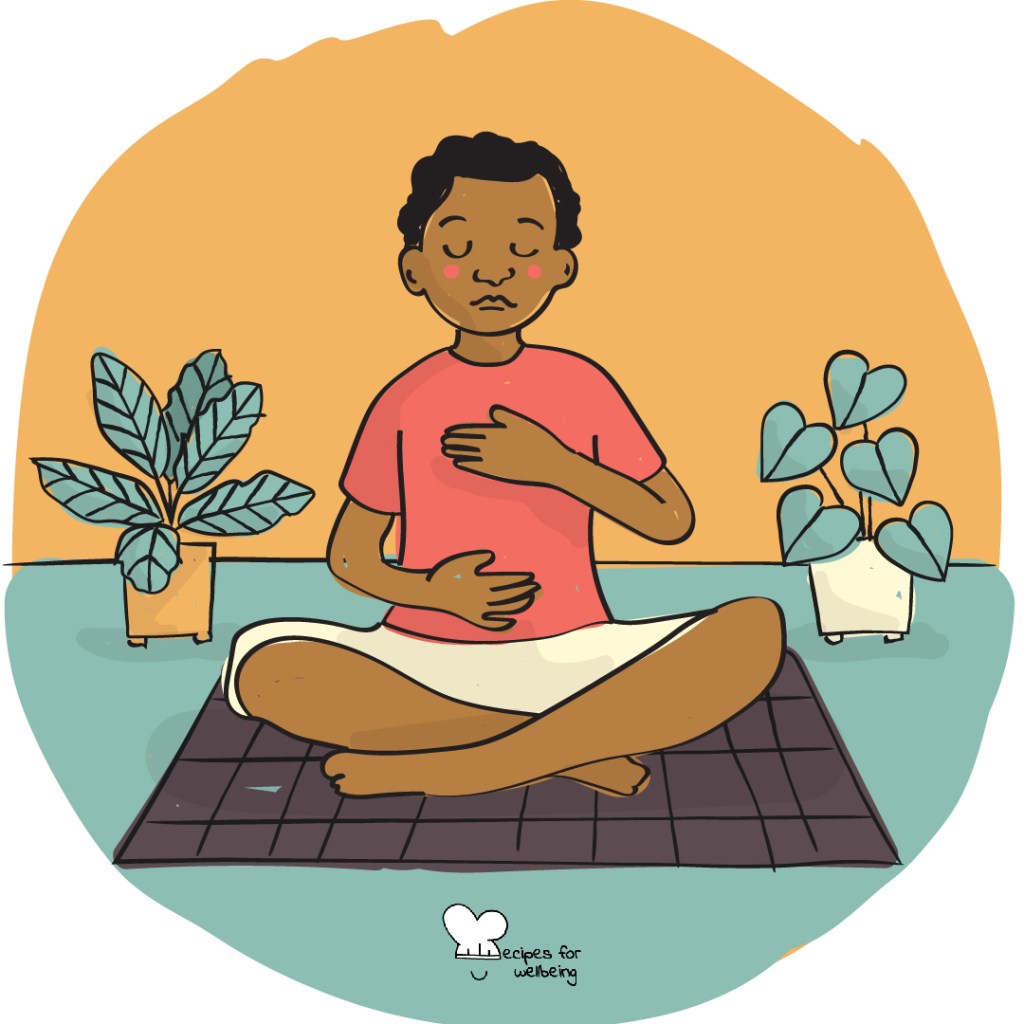
Bạn có thể tập bài tập thở đơn giản này càng nhiều càng tốt. Bạn có thể tập khi đứng, ngồi, hoặc nằm. Nếu bạn thấy khó tập hoặc nghĩ rằng nó khiến bạn lo âu hoặc hoảng sợ, thì hãy dừng lại. Thử lại vào thời điểm khác trong ngày và tăng thời gian lên từ từ.
You can perform this simple breathing exercise as often as needed. It can be done standing up, sitting, or lying down. If you find this exercise difficult or believe it’s making you anxious or panicky, stop for now. Try it again in a day or so and build up the time gradually.
– Hít vào chậm và sâu bằng mũi. Giữ vai thả lỏng. Bụng nở rộng, ngực di chuyển hạn chế. Inhale slowly and deeply through your nose. Keep your shoulders relaxed. Your abdomen should expand, and your chest should rise very little.
– Thở ra từ từ bằng miệng. Khi bạn thở hết hơi ra, chúm môi nhẹ nhưng vẫn giữ cằm thả lỏng. Bạn có thể nghe thấy tiếng gió nhẹ khi bạn thở ra. Exhale slowly through your mouth. As you blow air out, purse your lips slightly but keep your jaw relaxed. You may hear a soft “whooshing” sound as you exhale.
– Lặp lại bài tập thở này. Tập một vài phút cho đến khi bạn cảm hấy ổn hơn. Repeat this breathing exercise. Do it for several minutes until you start to feel better.8
Người mắc rối loạn hoảng sợ ban đầu sẽ cảm thấy lo âu hoặc hoảng sợ hơn trong lúc tập bài tập này. Điều này có thể là do lo âu gây ra bởi tập trung vào hơi thở, hoặc bạn cần nhiều thời gian để tập luyện mới theo bài tập này được.
Sometimes people with a panic disorder initially feel increased anxiety or panic while doing this exercise. This may be due to anxiety caused by focusing on your breathing, or you may be unable to do the exercise correctly without some practice.
Hít thở nông góp phần gây lo âu. Shallow Breathing Contributes to Anxiety
Khi ta lo âu, ta hay hít thở nhanh, nông từ ngực.
When people are anxious, they tend to take rapid, shallow breaths that come directly from the chest.

Dạng thở này, gọi là thở ngực hoặc lồng ngực, gây rối loạn lượng O2 và CO2 của cơ thể, làm tăng nhịp tim, chóng mặt, căng cơ, và cảm giác trên cơ thể. Máu của bạn không đủ oxy, và điều này có thể là dấu hiệu của phản ứng căng thẳng góp phần gây các cơn lo âu và hoảng loạn.
This type of breathing, called thoracic or chest breathing, causes an upset in the body’s oxygen and carbon dioxide levels, resulting in increased heart rate, dizziness, muscle tension, and other physical sensations.9 Your blood is not being properly oxygenated, and this may signal a stress response that contributes to anxiety and panic attacks.
Hít thở sâu hay thở bằng cơ hoành, mặt khác, kích thích hệ thần kinh đối giao cảm, là một phần của hệ thần kinh ngoại vi chịu trách nhiệm điều tiết nhịp tim, lượng máu, hơi thở, và tiêu hóa.
Diaphragmatic or deep breathing, on the other hand, stimulates the parasympathetic nervous system, which is part of the peripheral nervous system responsible for regulating heartbeat, blood flow, breathing, and digestion.
Hít thở sâu giúp bạn tránh được phản ứng “chống trả – hay bỏ chạy” (phản ứng căng thẳng cấp tính) đối với những tình huống khẩn cấp về thể chất hoặc tinh thần.
Deep breathing helps you avoid the “fight-or-flight” response (acute stress response) to mentally or physically terrifying situations.
Bất kỳ kiểu hít thở sâu nào cũng hiệu quả trong việc giúp giải tỏa lo âu. Hãy trải nghiệm nhiều dạng bài tập khác nhau để tìm ra bài nào hiệu quả và thực tế nhất với bạn.
Any type of deep breathing exercise can be effective for relieving anxiety. Experiment with a few different types to figure out which one is most effective and practical for you.
Hít thở bằng ngực và bằng bụng. Chest vs. Abdominal Breathing

Hầu hết chúng ta đều không thực sự nhận thức rõ cách chúng ta đang hít thở nhưng nhìn chung, có hai dạng thở chính:
Most people aren’t really conscious of the way they’re breathing but, generally, there are two types of breathing patterns:
Hít thở bằng cơ hoành (bụng): Dạng thở này là một dạng hít thở đều, sâu sử dụng cơ hoành, cho phép phổi được nở rộng và tạo áp lực âm đưa khí vào mũi và miệng, lấp đầy phổi. Đây là cách mà trẻ mới sinh hít thở tự nhiên. Bạn có thể có dạng thở này khi ở trong giao đoạn ngủ thư giãn.
Diaphragmatic (abdominal) breathing: This type of breathing is a type of deep, even breathing that engages your diaphragm, allowing your lungs to expand and creating negative pressure that drives air in through the nose and mouth, filling your lungs.10 This is the way newborn babies naturally breathe. You’re also probably using this pattern of breathing when you’re in a relaxed stage of sleep.
Hít thở bằng lồng ngực (ngực): Dạng thở này đến từ ngực và là những nhịp thở ngắn, gấp. Khi bạn lo âu, bạn còn không nhận ra rằng bạn đang thở kiểu này.
Thoracic (chest) breathing: This type of breathing comes from the chest and involves short, rapid breaths. When you’re anxious, you might not even be aware that you’re breathing this way.
Cách dễ nhất để xác định kiểu thở của mình là đặt một tay lên phần bụng trên, gần thắt lưng và tay còn lại ở giữa ngực. Khi bạn thở, hãy để ý xem tay nào di chuyển lên nhiều nhất.
The easiest way to determine your breathing pattern is to put one hand on your upper abdomen, near the waist, and the other in the middle of your chest. As you breathe, notice which hand raises the most.
Nếu bạn hít thở đúng, bụng của bạn sẽ phồng lên và xẹp xuống theo mỗi hơi hít thở (và tay trên bụng cũng sẽ di chuyển lên nhiều nhất). Nhận thức được sự khác biệt này là cực kỳ quan trọng trong những thời điểm căng thẳng hoặc lo âu khi bạn có khả năng sẽ thở bằng ngực nhiều hơn.
If you’re breathing properly, your abdomen should expand and contract with each breath (and the hand on it should raise the most). It’s especially important to be aware of these differences during stressful and anxious times when you’re more likely to breathe from your chest.
Hãy chú ý đến cách bạn thở khi đang thư giãn và khi cảm thấy căng thẳng và lo âu. Tập các bài tập thở thường xuyên có thể giúp bạn học cách chủ động chuyển sang các dạng thở này khi bị căng thẳng, vốn có thể làm bình ổn cơ thể và tạo phản ứng thư giãn.
Pay attention to how you breathe when you are relaxed vs. when you feel stressed and anxious. Practicing breath exercises regularly can help you learn to consciously shift to this type of breathing when stressed, which can calm your body and induce a relaxation response.
Kết luận. Bottom lines
Để hít thở sâu có hiệu quả, bạn cần lắng nghe cơ thể của mình và chú tâm đến quá trình lo âu đang tác động lên cuộc sống thường nhật của bạn. Nếu sau khi tập hít thở sâu mà bạn cả thấy cực kỳ lo âu, hãy cân nhắc trao đổi với chuyên gia y tế hoặc bác sĩ để được đánh giá và đề xuất điều trị.
To make deep breathing work for you, it’s essential to listen to your body and be mindful of how anxiety is impacting your everyday life. If after practicing deep breathing you still feel severe anxiety, consider consulting a mental health professional or medical doctor for assessment and recommendations for treatment.
Nếu bạn mắc bệnh lý như phổi tắc nghẽn mãn tính hoặc hen suyễn, hoặc bị đau hoặc khó thở, hãy trao đổi với chuyên gia y tế trước khi thử tập bất cứ bài tập thở nào.
If you have a lung condition like COPD or asthma, or you’re experiencing pain or difficulty breathing, speak with a healthcare provider before trying any type of breathing exercise.
Câu hỏi thường gặp. Frequently Asked Questions
Bài tập thở có tác dụng không? Do breath exercises work?
Nghiên cứu chỉ ra rằng học kiểm soát hơi thở đúng có thể cải thiện đáng kể sức khỏe, chống lại cảm giác căng thẳng, và giải tỏa lo âu.
Research has shown that learning proper breath control can significantly improve well-being, combat feelings of stress, and relieve anxiety.11
Tại sao các bài tập thở giúp giải tỏa lo âu? Why do breathing exercises help with anxiety?
Các bài tập thở có thể giúp cơ thể đi vào trạng thái thư giãn, và khi cơ thể thư giãn, não bộ trở cũng trở nên thư giãn.
Breathing exercises help put your body in a relaxed state and, when your body is relaxed, your brain becomes more relaxed too.12
Các kỹ thuật hít thở nào nào hiệu quả nhất? What deep breathing techniques are the most effective?
Có nhiều bài tập thở sâu có thể giúp giải tỏa lo âu từ thở luân phiên lỗ mũi đến thở hộp, hít thở cộng hưởng đến hít thở bụng. Hãy tập một vài kỹ thuật và xem xem bạn cảm thấy ra sao. Bạn có thể để ý thấy bạn sẽ thích một vài kỹ thuật nhất định hơn những kỹ thuật còn lại.
There are a number of deep breathing exercises can offer relief from anxiety from alternate-nostril breathing to box breathing and resonance breathing to belly breathing. Practice several techniques and see how they make you feel. You may notice that you prefer some techniques over others.
Tôi có thể làm gì để giải tỏa lo âu nếu tập hít thở không có tác dụng? What can I do to relieve my anxiety if breathing exercises don’t work?
Có nhiều lựa chọn can thiệp khác nhau cho chứng âu, từ trị liệu đến thuốc điều trị. Vậy nên, nếu các bài tập thở không giúp bạn giải tỏa căng thẳng, hãy trao đổi với chuyên gia y tế về những lựa chọn phù hợp với bạn.
There are many different treatment options for anxiety, from therapy to medications. So, if breathing exercises don’t provide anxiety relief, talk to a healthcare provider about other options available to you.
Tham khảo. Sources
Paulus MP. The breathing conundrum-interoceptive sensitivity and anxiety. Depress Anxiety. 2013;30(4):315–320. doi:10.1002/da.22076
Telles S, Verma S, Sharma SK, Gupta RK, Balkrishna A. Alternate-nostril yoga breathing reduced blood pressure while increasing performance in a vigilance test. Med Sci Monit Basic Res. 2017;23:392-398. doi:10.12659/MSMBR.906502
The American Institute of Stress. Take a deep breath.
Sharma VK, Trakroo M Subramaniam V, Rajajeyakumar M, Bhavanani AB, Sahai A. Effect of fast and slow pranayama on perceived stress and cardiovascular parameters in young health-care students. Int J Yoga. 2013; 6(2):104-10. doi:10.4103/0973-6131.113400
American Lung Association. Pursed lip breathing .
Cleveland Clinic. Pursed lip breathing.
Steffen PR, Austin T, DeBarros A, Brown T. The impact of resonance frequency breathing on measures of heart rate variability, blood pressure, and mood. Front Public Health. 2017;5:222. doi:10.3389/fpubh.2017.00222
Cleaveland Clinic. Diaphragmatic breathing.
Cleaveland Clinic. Syncope.
Chen Y-F, Huang X-Y, Chien C-H, Cheng J-F. The effectiveness of diaphragmatic breathing relaxation training for reducing anxiety. Perspect Psychiatr Care. 2017 Oct;53(4):329–36.
Zaccaro A, Piarulli A, Laurino M, Garbella E, Menicucci D, Neri B, Gemignani A. How breath-control can change your life: A systematic review on psycho-physiological correlates of slow breathing. Front Hum Neurosci. 2018 Sep 7;12:353. doi:10.3389/fnhum.2018.00353
University of Michigan Health. Stress management: Breathing exercises for relaxation.
Nguồn: https://www.verywellmind.com/abdominal-breathing-2584115
Như Trang.
 Exploring Psychology - Khám Phá Tâm Lý Học