
Trong tâm lý học, mồi là một kỹ thuật khi ta cho xuất hiện một kích thích làm ảnh hưởng lên quá trình con người phản hồi với kích thích tiếp theo. Hiệu ứng mồi vận hành bằng cách kích hoạt quá trình liên tưởng hoặc đại diện trong trí nhớ ngay trước khi một kích thích hoặc nhiệm vụ khác được đưa vào.
In psychology, priming is a technique in which the introduction of one stimulus influences how people respond to a subsequent stimulus. Priming works by activating an association or representation in memory just before another stimulus or task is introduced.

MantraCare
Hiện tượng này xuất hiện trong vô thức, tuy nhiên nó vẫn có thể có tác động lớn lên nhiều khía cạnh trong đời sống thường nhật.
This phenomenon occurs without our conscious awareness, yet it can have a major impact on numerous aspects of our everyday lives.1
Tổng quan. At a Glance
Hiệu ứng mồi giúp giải thích tại sao một số thứ lại xuất hiện trong tâm trí nhanh hơn khi bạn thấy hoặc nghe một khái niệm tương tự trước đó. Điều này có thể đôi lúc hỗ trợ giúp ta nhớ lại thông tin, nhưng đôi khi nó cũng làm tổn hại năng lực tư duy bởi các ý tưởng khác không có liên quan.
Priming helps explain why some things spring to mind faster after you see or hear a closely related concept. This can help with recall at times, but it can also sometimes impair your ability to think of unrelated ideas.
Nó có thể ảnh hưởng lên cách bạn nhìn nhận mọi việc trong thế giới thực, như tác động lên cách bạn nghe lời bài hát. Nó cũng định hình hành vi và cảm nhận của bạn về bản thân và mọi người.
It can affect how you perceive things in the real-world, like influencing how you hear song lyrics. It can also shape your behavior and how you feel about yourself and others.
Hiệu ứng mồi là gì? What Is Priming?
Có nhiều ví dụ khác nhau giúp giải thích sự vận hành của hiệu ứng này. Ví dụ, cho ai đó nghe hoặc nhìn thấy từ “màu vàng” sẽ khơi gợi phản ứng với từ “chuối” nhanh hơn là khi cho tiếp xúc với từ không liên quan như “truyền hình”. Vì màu vàng và chuối đều liên hệ mật thiết với nhau trong trí nhớ, nên con người ta phản hồi nhanh hơn khi từ thứ hai xuất hiện.
There are many different examples of how this priming works. For example, exposing someone to the word “yellow” will evoke a faster response to the word “banana” than it would to unrelated words like “television.” Because yellow and banana are more closely linked in memory, people respond faster when the second word is presented.

Coglode
Hiệu ứng mồi có thể có tác dụng với nhiều kích thích có liên quan theo nhiều cách khác nhau. Ví dụ, hiệu ứng này có thể xuất hiện với kích thích liên quan đến tri giác, ngôn ngữ, hoặc khái niệm. Hiệu ứng mồi có thể được áp dụng một cách đầy hứa hẹn trong đời sống thực như một hình thức hỗ trợ học tập.
Priming can work with stimuli that are related in a variety of ways. For example, priming effects can occur with perceptually, linguistically, or conceptually related stimuli. Priming can have promising real-world applications as a learning and study aid as well.
Hiệu ứng mồi (priming) được đặt tên như vậy để gợi lên hình ảnh của nước khi được mồi dẫn. Khi một chiếc giếng được lắp vòi, nước sau đó có thể được tạo ra bất kỳ khi nào ta vặn vòi. Một khi thông tin được “mồi” trong trí nhớ, nó sẽ được truy xuất vào ý thức tiện hơn.
Priming is named as such to evoke the imagery of a water well being primed. Once the well has been primed, water can then be subsequently produced whenever it is turned on. Once the information has been primed in memory, it can be retrieved into awareness more readily.1
Các dạng thức mồi trong tâm lý học. Types of Priming in Psychology
Có nhiều dạng hiệu ứng mồi trong tâm lý học. Mỗi loại vận hành theo một cách riêng và có thể có tác động khác nhau.
There are several different types of priming in psychology. Each one works in a specific way and may have different effects.
– Mồi tích cực và tiêu cực. Positive and Negative Priming
Mồi tích cực và tiêu cực mô tả cách mà hiệu ứng mồi ảnh hưởng lên tốc độ xử lý. Mồi tích cực khiến quá trình xử lý nhanh hơn và tăng tốc truy xuất bộ nhớ, trong khi mồi tiêu cực làm chậm quá trình này.
Positive and negative priming describes how priming influences processing speed. Positive priming makes processing faster and speeds up memory retrieval, while negative priming slows it down.2
– Mồi ngữ nghĩa. Semantic Priming
Mồi ngữ nghĩa là bao hàm các từ có liên quan với nhau theo logic hoặc theo ngôn ngữ. Ví dụ đề cập ở trên về việc phản hồi từ “chuối” nhanh hơn sau khi bị “mồi” từ “vàng” là một ví dụ về mồi ngữ nghĩa.
Semantic priming involves words that are associated in a logical or linguistic way. The earlier example of responding to the word “banana” more rapidly after being primed with the word “yellow” is an example of semantic priming.1

Vivek Singh
– Mồi liên tưởng. Associative Priming
Mồi liên tưởng là sử dụng hai kích thích thường có liên hệ với nhau. Ví dụ, “mèo” và “chuột” là hai từ thường liên hệ với nhau trong trí nhớ, vậy nên sự xuất hiện của một từ có thể “mồi” chủ thể khiến họ phản hồi nhanh hơn khi từ thứ hai xuất hiện.
Associative priming involves using two stimuli that are normally associated with one another. For example, “cat” and “mouse” are two words that are often linked with one another in memory, so the appearance of one of the words can prime the subject to respond more rapidly when the second word appears.3
– Mồi lặp lại. Repetition Priming
Mồi lặp lại xuất hiện khi một kích thích và một phản hồi được lặp lại theo cặp. Vì lẽ đó, chủ thể sẽ dễ phản hồi theo một cách thức nhất định trong thời gian nhanh hơn mỗi lần kích thích này xuất hiện.
Repetition priming occurs when a stimulus and response are repeatedly paired. Because of this, subjects become more likely to respond in a certain way more quickly each time the stimulus appears.4
– Mồi tri giác. Perceptual Priming
Mồi tri giác bao hàm các kích thích có dạng thức tương tự. Ví dụ, từ “goat” sẽ gợi ra một phản hồi nhanh hơn khi trước nó là từ “boat” vì hai từ này đều khá tương đồng về tri giác.
Perceptual priming involves stimuli that have similar forms. For example, the word “goat” will evoke a faster response when it is preceded by the word “boat” because the two words are perceptually similar.5
– Mồi khái niệm. Conceptual Priming
Mồi khái niệm bao hàm một kích thích và một phản hồi có liên quan với nhau về khái niệm. Những từ như “chỗ ngồi” và “ghế” có thể gây xuất hiện hiệu ứng mồi vì chúng nằm chung trong một nhóm khái niệm.
Conceptual priming involves a stimulus and response that are conceptually related. Words such as “seat” and “chair” are likely to show priming effects because they are in the same conceptual category.6
– Mồi che đậy. Masked Priming
Mồi che đậy là một phần của kích thích ban đầu bị che đậy theo một cách nào đó, như dấu #. Ngay cả khi toàn bộ kích không thể được nhìn rõ ràng thì nó vẫn gợi ra một phản hồi.
Masked priming involves part of the initial stimulus being obscured in some way, such as with hash marks. Even though the entire stimulus is not visible, it still evokes a response.7
Quá trình “mồi”. The Priming Process
Các nhà tâm lý học tin rằng các đơn vị (hay lược đồ) thông tin được lưu trữ trong bộ nhớ dài hạn. Những lược đồ này có thể được kích hoạt bằng cách tăng hoặc giảm theo nhiều cách.
Psychologists believe that units (or schemas) of information are stored in long-term memory.8 The activation of these schemas can either be increased or decreased in a variety of ways.

Digital Marketing Age
Khi tăng kích hoạt một số đơn vị thông tin nhất định, các ký ức này sẽ dễ tiếp cận hơn.
When the activation of certain units of information is increased, these memories become easier to access.
Khi giảm kích hoạt, thông tin sẽ ít được truy xuất lại từ bộ nhớ.
When activation is decreased, the information becomes less likely to be retrieved from memory.
Hiệu ứng mồi cho rằng có một số lược đồ nhất định thường bị kích hoạt đồng loạt. Bằng cách kích hoạt một số đơn vị thông tin, các đơn vị có liên quan hoặc có kết nối cũng sẽ được kích hoạt.
Priming suggests that certain schemas tend to be activated in unison. By activating some units of information, related or connected units also become active.
Vậy, tại sao ta lại nên kích hoạt và cải thiện tính dễ tiếp cận của các lược đồ có liên quan? Trong nhiều tình huống, việc rút ra thông tin có liên quan vào trí nhớ nhanh hơn có thể giúp con người ta phản hồi nhanh hơn khi nhu cầu xuất hiện.
So, why would it be useful for related schemas to become activated and more accessible? In many instances, drawing related information into memory more quickly might help people respond faster when the need arises.
Ví dụ, lược đồ có liên quan đến mưa bão và đường trơn trượt có thể có liên kết chặt chẽ trong trí nhớ. Khi bạn nhìn thấy trời mưa, ký ức về điều kiện đường sá trơn trượt có thể cũng sẽ xuất hiện trong tâm trí.
For example, schemas related to rainstorms and slick roads may be linked closely in memory. When you see it raining, memories of possible slick road conditions may also come to mind.
Vì tâm trí bạn đã được “mồi” để nghĩ về thông tin này, nên bạn có thể dễ dàng nghĩ ngay và hành động ngay khi lái xe về nhà trên đoạn đường ướt nguy hiểm.
Because your mind has been primed to think of this information, you might be better able to think quickly and react rapidly when encountering a dangerous, wet stretch of road on your drive home from work.
Hiệu ứng mồi ảnh hưởng lên nhận thức. Priming Affects Perceptions

Popular Science
Hiện tượng gây sốt Yanny/Laurel năm 2018 là một ví dụ về cách hiệu ứng mồi có thể ảnh hưởng lên cách bạn tiếp nhận thông tin. Một mẫu âm thanh mơ hồ được một người dùng trực tuyến tải lên kèm theo một cuộc thăm dò ý kiến những gì mọi người nghe thấy. (thử nghe tại đây: https://www.youtube.com/watch?v=7X_WvGAhMlQ – ND)
The 2018 Yanny/Laurel viral phenomenon is one example of how priming can influence how you perceive information. An ambiguous sound sample was uploaded by an online user with a poll asking what people heard.
Một số người nghe rõ chữ “Yanny”, trong khi nhiều người khác quả quyết là “Laurel”. Một số người thậm chí còn nói rằng cmình nghe được cả hai từ.
Some people distinctly heard “Yanny,” while others clearly heard “Laurel.” Some people even reported being able to switch back and forth between the words they heard.
Do tính mơ hồ của âm thanh, các nhà tâm lý học cho rằng con người ta dựa trên hiệu ứng mồi để giúp xác định cái họ có thể nghe thấy.
Due to the aural ambiguity, psychologists suggest that people rely on priming effects to help determine what they are likelier to hear.
Nghiên cứu cho rằng chúng ta không nghe bằng cách phân tích tần số tiếng ồn đi vào tai và xác định từ ngữ hình thành từ các tần số này.
Research suggests that we do not hear by analyzing the frequencies of the noises that enter our ears and then determining the words that these frequencies form.
Thay vào đó, ta sử dụng cái gọi là xử lý trên-xuống. Não bộ đầu tiên sẽ nhận diện một số âm thanh như lời nói. Sau đó, não tận dụng các tín hiệu ngữ cảnh để phiên giải ý nghĩa của các âm thanh lời nói này.
Instead, we utilize what is known as top-down processing.9 Our brains first recognize some sounds like speech. Then, our brains utilize context cues to interpret the meaning of these speech sounds.
Tại sao bạn lại nghe nhầm lời bài hát. Why You Mishear Song Lyrics
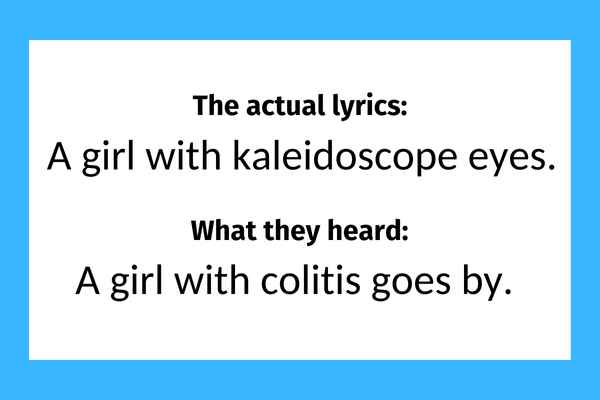
Điều này có thể giúp lý giải tại sao con người ta thường nghe nhầm lời bài hát. Khi âm thanh không rõ ràng, não bộ lấp đầy những khoảng trống thông tin trong khả năng cao nhất của nó. Hiệu ứng mồi có thể góp phần vào quá trình này. Nếu bạn bị “mồi” để hiểu một lời nhạc theo một cách cụ thể nào đó, bạn sẽ dễ nghe nó theo một kiểu nhất định do ảnh hưởng từ hiệu ứng mồi đó.
This can help explain why people often misinterpret song lyrics. When the sound is ambiguous, your brain fills in the missing information as best it can. Priming effects can then come into play. If you are primed to interpret a lyric in a particular way, you will be more likely to hear it in a certain way based upon that priming.
Khi nghe thấy từ “Yenny” hoặc “Laurel”, hãy để ý đến bản chất của đoạn clip âm thành này đang mồi cho bạn nghe một trong hai từ kể trên. Sự thật là người nào đã nghe đoạn clip này để đã mong đợi bản thân sẽ nghe được một trong hai từ Yanny hoặc Laurel vốn được “mồi” sẵn, thay vì nghe ra các từ đó khác.
When it comes to hearing either Yanny or Laurel, just being aware of the nature of the viral audio clip primes you to hear it as one or the other. The fact that people who heard the clip were already expecting to hear either Yanny or Laurel primed them to hear either of those two words rather than some other word.
Trong trường hợp này, các yếu tố liên quan đến chất lượng âm thanh và năng lực thính giác cũng đóng vai trò nhất định. Người trẻ với ít tổn thương thính giác liên quan đến tuổi tác có thể sẽ nghe ra từ “Yanny” vì tai họ có thể xác định tần số âm thanh tốt hơn. Những người nghe ra “Laurel” thường chỉ nghe được âm thanh tần số thấp hơn.
In this case, factors related to sound quality and hearing ability also played a role. Younger people with less age-related hearing damage were more likely to hear “Yanny” because their ears are better able to detect higher frequency sounds. Those who heard Laurel tended to only hear lower-frequency sounds.10
Hiệu ứng mồi ảnh hưởng lên hành vi. Priming Affects Behavior
Trong một nghiên cứu, các nhà nghiên cứu đã ngầm mồi dẫn tham dự viên với những từ mà thường người ta hay suy nghĩ một cách rập khuôn cho người lớn tuổi. Khi rời khỏi phòng thí nghiệm, những người nào đã được mồi dẫn bằng những từ có liên quan đến người già sẽ có khả năng đi chậm hơn so với những người không được mồi dẫn.
In one study, researchers implicitly primed participants with words commonly associated with stereotypes about elderly people.11 Upon leaving the testing booth, people who had been primed with words related to older adults were more likely to walk more slowly than participants who had not been primed.
Một nghiên cứu xuất bản trên tập san Lão hóa và Sức khỏe tâm thần đã phát hiện ra rằng việc mồi dẫn những tham dự viên bằng những khuôn mẫu tiêu cực cho tuổi già sẽ gây ra nhiều tác động tiêu cực lên hành vi và các bài tự phân loại đánh giá bản thân. Mồi dẫn tham dự viên bằng những khuôn mẫu tiêu cực về lão hóa sẽ làm gia tăng cảm giác cô đơn và tăng tần suất tìm kiếm giúp đỡ.
A study published in the journal Aging and Mental Health found that priming participants with negative aging stereotypes resulted in more negative effects on behaviors and self-rated evaluations. Priming participants with these negative aging stereotypes led to increased feelings of loneliness and an increased frequency of help-seeking.12
Nói cách khác, việc mang đến tâm trí các khuôn mẫu về người lớn tuổi cô đơn, bất lực, thực sự có thể khiến con người ta cảm thấy cô đơn hơn và hành xử bất lực hơn.
In other words, bringing to mind stereotypes about elderly people being lonely and helpless actually led to people feeling lonelier and acting more helpless.

Centre for Ageing Be
Nghiên cứu cho rằng việc bị cho tiếp xúc với các khuôn mẫu về tuổi già có thể làm tăng sự lệ thuộc và làm giảm điểm tự đánh giá bản thân về khả năng và vận hành ở người cao tuổi.
Researchers suggest that being exposed to such age-related stereotypes may lead to increased dependency and lower self-evaluations of ability and functioning in older people.
Một nghiên cứu thứ 3, cũng trên tập san Lão hóa và Trí nhớ, đã mồi dẫn tham dự viên từ 55 tuổi trở lên bằng các thông điệp tiêu cực hoặc tích cực về tuổi già. Sau đó họ hỏi các tham dự viên nhớ lại một danh sách 30 từ. Người đã bị mồi dẫn bởi các thông điệp tiêu cực có hiệu suất trí nhớ kém hơn so với những người nhận được thông điệp tích cực.
A third study, also in Aging and Memory, primed adults 55 and older with negative or positive messages about aging. They then asked participants to recall a list of 30 words. Adults who had been primed with negative messages had worse memory performance than those who received positive messages.13
Hiệu ứng mồi ảnh hưởng lên học tập. Priming Affects Learning
Giáo viên và các nhà giáo dục có thể tận dụng hiệu ứng mồi làm công cụ học tập. Một số học sinh sẽ có kết quả học tốt hơn khi chúng biết mình có thể dự đoán được điều gì. Xử lý tài liệu học mới đôi lúc sẽ gây nản vô cùng, nhưng “mồi dẫn” học sinh bằng cách trình bày trước một số thông tin trước buổi học có thể có hiệu quả.
Teachers and educators can also utilize priming as a learning tool.14 Some students perform better when they know what they can expect. Tackling new material can sometimes be intimidating, but priming students by presenting information before a lesson is given can help.
Hiệu ứng mồi thường được sử dụng làm công cụ can thiệp giáo dục với những học sinh có khiếm khuyết học tập nhất định. Tài liệu mới được giới thiệu trước khi được giảng chính thức, sẽ giúp học sinh cảm thấy thoải mái với chúng hơn.
Priming is often used as an educational intervention for students with certain learning disabilities.15 New material is presented before it is taught, allowing the student to become comfortable with it.
Ví dụ, học sinh có thể được cho “xem trước” những cuốn sách hoặc tài liệu sẽ được sử dụng trong bài giảng. Vì đã quen thuộc trước với thông tin và tài liệu nên chúng có thể dễ tập trung hơn trong buổi giảng thật.
For example, students might be allowed to “preview” the books or materials that are going to be used as part of a lesson. Because they are already familiar with the information and materials, they may be better able to pay attention during the actual lesson.
Ý nghĩa. What This Means For You
Mặc dù hiệu ứng mồi tồn tại ngoài vùng ý thức nhưng hiện tượng tâm lý này có thể đóng vai trò cốt lõi trong cuộc sống thường nhật. Từ việc ảnh hưởng đến cách bạn phiên giải thông đến hành vi, hiệu ứng này có thể ảnh hưởng lên nhận thức, cảm xúc và hành động của bạn.
While priming occurs outside of conscious awareness, this psychological phenomenon can play an essential role in your daily life. From influencing how you interpret information to your behavior, priming can affect your perceptions, emotions, and actions.
Nhận thức rõ hiện tượng này có thể giúp bạn dễ nhận ra sự diện diện của nó. Bạn cũng có thể học cách để tận dụng nó, như xem trước thứ gì đó để quen dần trước khi bạn thực sự học nó.
Being aware of it can help you better recognize when it is happening. It can also help you look for ways to use it to your advantage, like previewing something to become familiar with it before you try to learn it.
Tham khảo. Sources
Lee JS, Choi J, Yoo JH, et al. The effect of word imagery on priming effect under a preconscious condition: an fMRI study. Hum Brain Mapp. 2014;35(9):4795-4804. doi:10.1002/hbm.22512
Eben C, Koch I, Jolicoeur P, Nolden S. The persisting influence of unattended auditory information: negative priming in intentional auditory attention switching. Atten Percept Psychophys. 2020;82:1835-46. doi:10.3758/s13414-019-01909-y
Hutchison KA, Heap SJ, Neely JH, Thomas MA. Attentional control and asymmetric associative priming. J Exp Psychol Learn Mem Cogn. 2014;40(3):844-856. doi:10.1037/a0035781
Hutchins S, Palmer C. Repetition priming in music. Psychol Pop Media Cult. 2011;1(S):69-88. doi:10.1037/2160-4134.1.S.69
Holz E, Lass-Hennemann J, Streb M, Pfaltz M, Michael T. Effects of acute cortisol administration on perceptual priming of trauma-related material. PLoS ONE. 2014;9(9):e104864. doi:10.1371/journal.pone.0104864
Wang W-C, Ranganath C, Yonelinas AP. Activity reductions in perirhinal cortex predict conceptual priming and familiarity-based recognition. Neuropsychologia. 2014;52:19-26. doi:10.1016/j.neuropsychologia.2013.10.006
Morris J, Stockall L. Early, equivalent ERP masked priming effects for regular and irregular morphology. Brain Lang. 2012;123:81-93. doi:10.1016/j.bandl.2012.07.001
Camina E, Güell F. The neuroanatomical, neurophysiological and psychological basis of memory: current models and their origins. Front Pharmacol. 2017;8:438. doi:10.3389/fphar.2017.00438
de Boer JN, Linszen MMJ, de Vries J, et al. Auditory hallucinations, top-down processing and language perception: a general population study. Psychol Med. 2019;49(16):2772-2780. doi:10.1017/S003329171800380X
Bosker HR. Putting Laurel and Yanny in context. J Acoust Soc Am. 2018;144:EL503. doi:10.1121/1.5070144
Bargh JA, Chen M, Burrows L. Automaticity of social behavior: direct effects of trait construct and stereotype activation on action. J Person Soc Psychol. 1996;71(2):230-244. doi:10.1037/0022-3514.71.2.230
Coudin G, Alexopoulos T. Help me! I’m old!’ How negative aging stereotypes create dependency among older adults. Aging Ment Health. 2010;14(5):516-523. doi:10.1080/13607861003713182
Hagood EW, Gruenewald TL. Positive versus negative priming of older adults’ generative value: do negative messages impair memory?. Aging Ment Health. 2018;22(2):257-260. doi:10.1080/13607863.2016.1239063
Wexler BE, Iseli M, Leon S, et al. Cognitive priming and cognitive training: immediate and far transfer to academic skills in children. Sci Rep. 2016;6:32859. doi:10.1038/srep32859
Stienen-Durand S, George J. Supporting dyslexia in the programming classroom. Procedia Comp Sci. 2014;27:419-30. doi:10.1016/j.procs.2014.02.046
Nguồn: https://www.verywellmind.com/priming-and-the-psychology-of-memory-4173092
Như Trang.
 Exploring Psychology - Khám Phá Tâm Lý Học