
Các số liệu và nghiên cứu chính thức đã phát hiện ra rằng có nhiều khác biệt về giới trong hành động tự sát. Những khác biệt này được gọi là nghịch lý về giới trong tự sát. Trong khi phụ nữ dễ có suy nghĩ tự sát, thì nam giới lại dễ thực hiện hành vi kết liễu cuộc đời.
Official statistics and research studies have found that there are a number of gender differences in suicide. These differences are known as the gender paradox of suicide. While women are more likely to experience suicidal thoughts, for example, men are much more likely to take their own lives.

Cái khiến vấn đề thêm phức tạp là trong thực tế, nhiều nghiên cứu về chủ đề này không bao hàm cả người không theo quy chuẩn giới. Hiểu được khác biệt về giới có thể giúp chuyên gia xây dựng và thiết kế những biện pháp can thiệp và dự phòng hiệu quả hơn.
Complicating the issue is the fact that much of the research on this topic doesn’t include nonbinary people. Understanding these gender differences can help experts better design and develop prevention and intervention strategies.
Mặc dù rất khó để thảo luận chủ đề này, nhưng kiến thức này là rất quan trọng nếu ta muốn giảm bớt số ca tự sát tại Hoa Kỳ cũng như thế giới mỗi năm.
While it is difficult to discuss this topic, it has to be stressed that this knowledge is important if we are to reduce the number of deaths by suicide in the United States and around the world each year.
Nỗ lực tự sát và nguy cơ tử vong. Suicide Attempt and Risk of Death
Số liệu về tự sát cho thấy phụ nữ thường có nỗ lực tự sát cao gấp ba lần, trong khi nam giới lại có khả năng tử vong do tự sát cao hơn từ 2 đến 4 lần. So với nam giới, nữ giới cho thấy tỷ lệ nghĩ về tự sát cao, hành vi tự sát không chí mạng và nỗ lực tự sát cao hơn.
Suicide statistics reveal that women are roughly three times more likely to attempt suicide, though men are two to four times more likely to die by suicide.2 Compared to men, women show higher rates of suicidal thinking, non-fatal suicidal behavior, and suicide attempts.3
Sự khác biệt trong nỗ lực tự sát và tự sát thành công ở nữ giới đã khiến nhiều người tin rằng nỗ lực tự sát ở nữ giới thường là một cách để thu hút sự chú ý hơn là một nguy cơ nghiêm trọng. Điều này hoàn toàn sai lầm.
The differences in attempts and completed suicides in women have erroneously led many people to believe that suicide attempts in women are often a method of getting attention rather than a serious risk. This is far from true.
Ta cần lưu ý rằng ở phụ nữ, đã từng nỗ lực tự sát (nhưng thất bại) là yếu tố nguy cơ lớn nhất cho hành vi tự sát trong tương lai, và tất cả nỗ lực tự sát, dù ở nam hay nữ, đều cần được cân nhắc cẩn trọng.
It’s important to note that among women, an attempted (but failed) suicide attempt is the greatest risk factor for suicide in the future, and all suicide attempts, whether in men or women, need to be taken very seriously.
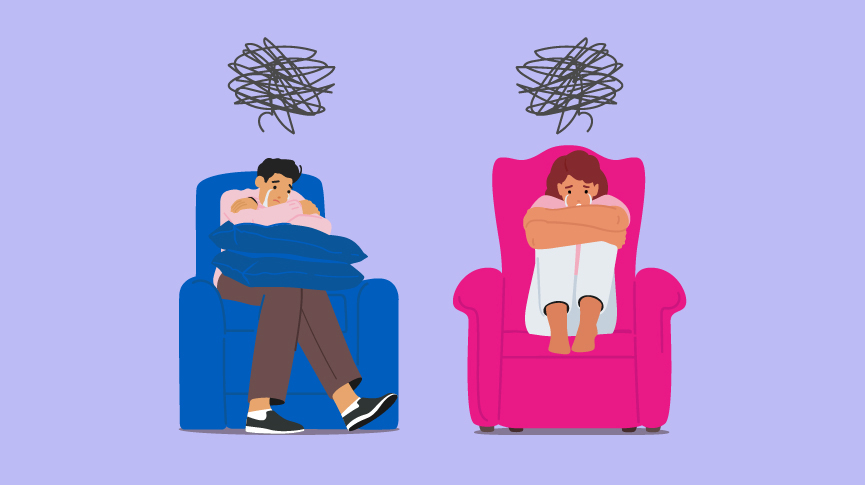
Phương pháp tự sát. Suicide Methods
Một trong những lý do quan trọng nhất giải thích sự khác biệt trong nỗ lực tự sát và tự sát thành công giữa nam và nữ chính là phương pháp tự sát.
One of the most important reasons for the difference between suicide attempts and completed suicides between men and women is the method of suicide used.
Nam giới thường chọn những phương thức bạo lực (sát thương cao hơn), như nổ súng, treo cổ và gây ngạt thở, trong khi phụ nữ lại thường uống thuốc quá liều hoặc sử dụng ma túy.
Men tend to choose violent (more lethal) suicide methods, such as firearms, hanging, and asphyxiation, whereas women are more likely to overdose on medications or drugs.4
Phương pháp tự sát ở nam giới. Suicide Methods in Men

– Nổ súng. Firearms
– Treo cổ. Hanging
– Ngạt hoặc nghẹt thở. Asphyxiation or suffocation
– Nhảy lầu. Jumping
– Di chuyển đồ đạc. Moving objects
– Dùng vật sắc nhọn. Sharp objects
– Khí độc từ phương tiện giao thông. Vehicle exhaust gas
Phương pháp tự sát ở nữ giới. Suicide Methods in Women

– Tự đầu độc. Self-poisoning
– Kiệt máu đến chết (như mất màu do cắt cổ tay). Exsanguination (bleeding out from a cut such as a “slit” wrist)
– Chết đuối. Drowning
– Treo cổ. Hanging
– Nổ súng. Firearms
Hiểu được tỷ lệ tự sát ở nam giới. Understanding the Suicide Rate in Men
Có nhiều sự khác biệt trong phương pháp tự sát ngoài những kiểu thường thấy ở hai giới. Ví dụ, một nghiên cứu phát hiện ra rằng: There are also differences in suicide methods beyond those between these two genders. For example, one study found that:4
– Nam giới đã từng kết hôn có nguy cơ dùng súng cao hơn, trong khi nam giới chưa từng kết hôn lại dễ chọn treo cổ hơn. Men who were married were more likely to use firearms, whereas men who were unmarried were more likely to die by hanging.
– Phụ nữ chưa kết hôn sẽ chọn treo cổ hơn nhóm đã kết hôn. Unmarried women were less likely to hang themselves than married women.
– Nam giới có tiền sử sử dụng ma túy sẽ dễ chết bằng cách tự đầu độc hơn, trong khi đã từng hay chưa từng sử dụng ma túy trước đó không mấy ảnh hưởng đến tỷ lệ tự đầu độc ở phụ nữ. Men with a history of substance use were more likely to die by self-poisoning, whereas prior substance use had no impact on self-poisoning as a suicide method among women.
– Cả nam và nữ, khả năng đầu độc cao hơn đáng kể ở nhóm có sử dụng thuốc hướng thần. For both men and women, the likelihood of poisoning was significantly higher among those taking psychiatric medications.
– Các phương thức như chủ động uống quá liều khá thường gặp ở những người bị trầm cảm trong thời gian dài. Methods such as intentional overdose are more common in those who have been depressed for some time.
– Nổ súng tự sát có vẻ phổ biến hơn ở nhóm người phản ứng với các tình huống cấp bách. Điều này giúp ủng hộ khuyến nghị lại bỏ súng ra khỏi những nhà có xuất hiện khủng hoảng sức khỏe tâm thần cấp tính. Firearms appear to be more common when people are reacting to acute situations. This would support current recommendations to remove guns from a home in the setting of an acute mental health crisis.

Mức độ nghiêm trọng của nỗ lực tự sát. Severity of Suicide Attempts
Ngay cả khi nam giới và nữ giới có chung phương thức tự sát, thì nỗ lực tự sát ở nam cũng thường nghiêm trọng và nặng nề hơn (60% nghiêm trọng hơn, ít nhất là theo số liệu). Nam giới nỗ lực tự sát và còn sống sau đó sẽ có nguy cơ cần nhập viện chăm sóc tích cực cao hơn nữ giới cũng có nỗ lực tự sát và còn sống sót sau đó.
Even when the same method of suicide is used by men and women, attempts by men tend to be more serious and severe (60% more severe, at least statistically speaking). Men who attempt suicide and survive are more likely than women who attempt and survive suicide to require intensive care hospitalization.
Liên quan đến tự sát bằng súng, nghiên cứu phát hiện ra nam giới sẽ dễ nổ súng vào đầu (vốn gây chết người cao hơn) để kết liễu bản thân hơn nữ giới. Lý do vẫn còn đang được tranh luận nhưng có thể có liên quan đến việc nữ giới ít muốn chết hơn. Tuy nhiên, một số người cho rằng điều này có thể là vì nỗi sợ hãi về ngoại hình ở phụ nữ sau khi tự sát mà không thành cũng đóng một vai trò nhất định trong việc lựa chọn phương thức này.
With regard to suicide by firearms, research has found that men are more likely to shoot themselves in the head (which is more likely to be fatal) than women.5 The reason for this has been debated but could be related to less intent to die in women. Some have suggested that this could be, however, that cosmetic fears in women, should the attempt fail, play a role in the location of a gunshot.4
Các nhà nghiên cứu cũng khám phá ra khả năng có ý định tự sát có thể đóng một vai trò trong sự khác biệt này. Một nghiên cứu cho thấy phụ nữ thường thể hiện các ý định muốn chết ít nghiêm túc hơn nam giới.
Researchers have explored the possibility that suicidal intent may play a role in this discrepancy. One study found that women tend to exhibit less serious intent to die than do men.6

Các nỗ lực tự sát trước đó. Prior Suicide Attempts
Như đã nói ở trên, cả phụ nữ và đàn ông nếu có tiền sử từng nỗ lực tự sát ẽ có nguy cơ tự sát cao hơn trong tương lai. Hơn một nửa phụ nữ chết vì tự sát đã từng nỗ lực tự sát không thành, trong khi gần một nửa nam giới tự sát đã từng có nỗ lực tự sát trước đó.
As noted above, both men and women who have a history of a prior suicide attempt are at high risk for future suicide. Over half of women who die by suicide have a previous attempt, whereas less than half of men who commit suicide have a prior attempt.
Dấu hiệu cảnh báo tự sát. Suicide Warning Signs
Bất lể khác biệt về giới, tất cả mọi người đều nên nhận thức rõ các yếu tố nguy cơ và các dấu hiệu cảnh báo tự sát. Nếu bạn hoặc người thân có tiền sử trầm cảm, bạn nên xây dựng một kế hoạch an toàn.
Regardless of gender differences in suicide, everyone should be aware of the risk factors and warning signs of suicide. If you or a loved one have a history of depression, you may wish to create a suicide safety plan as well.
Hành vi tự hại. Self-Harming Behavior
Mặc dù nam giới có khả năng tử vong do tự sát cao hơn, nhưng phụ nữ lại dễ rơi vào cái gọi là hành vi tự hại cố ý hoặc tự làm mình tổn thương. Hành vi tự hại cố ý là bất kể các hành hành vi tự làm hại bản thân nào, dù có ý hay không có ý tự sát.
While men are more likely to die as a result of a suicide attempt, women are more likely to engage in what is known as deliberate self-harm (DSH) or self-injury. DSH involves any sort of self-harming behavior, whether or not the intent is to commit suicide.
Nghiên cứu cho rằng những người có hành vi tự tổn hại bản thân thường sẽ không cố kết liễu bản thân, mặc dù cũng có đôi khi họ có làm như vậy. Trong khi nhiều người cho rằng tự hại là muốn được chú ý, thì điều đó không đúng và người ta thường làm nó khi ở một mình. Các ví dụ về hành vi tự hại cố ý là sử dụng thuốc không gây chết người quá liều và tự làm tổn thương như cắt tay hay các bộ phận khác trên cơ thể.
Research suggests that people who use self-injury are not usually trying to kill themselves, though sometimes they do. While many people associate self-harm with a desire for attention, it is not and is often done in private. Examples of DSH include non-lethal drug overdoses and self-injury such as cutting.

Mặc dù tự sát có thể không phải là động cơ, nhưng nhiều người có hành vi tự hại có thể đang có suy nghĩ tự sát và có thể đi quá giới hạn hành vi tự hại, từ đó gây ra tự sát không chủ đích.
While suicide may not be the motivation, many people who engage in self-harm may be having suicidal thoughts and may also go too far in their self-harming behavior resulting in unintentional suicide.
Nghiên cứu đã phát hiện ra một số yếu tố nguy cơ chủ chốt gây tự sát ở những người có hành vi tự hại, bao gồm: Research has found some key risk factors for suicide in those who engage in self-harming behavior including:7
– Là nam giới. Being a man
– Có vấn đề sức khỏe thể chất. Physical health problems
– Từng có giai đoạn tự hại. Previous episodes of self-harm
– Có ý định tự sát. Suicidal intent
Trầm cảm và Tự sát. Depression and Suicide
Người ta cho rằng trầm cảm điển hình xuất hiện ở khoảng một nửa những người có hành vi tự sát, cả nam lẫn nữ, và có nhiều sự khác biệt trong khía cạnh này.
It’s thought that major depression occurs in roughly half of people who commit suicide, both men and women, and there are differences in this regard as well.
Phụ nữ có khả năng được chẩn đoán mắc trầm cảm điển hình cao gấp hai lần nam giới, mặc dầu vậy, như đã nói, tự sát thành công lại xuất hiện ở nam giới nhiều hơn nữ giới. Phụ nữ cũng có khả năng tìm kiếm điều trị trầm cảm cao hơn nam giới.
Women are twice as likely as men to carry a diagnosis of major depression, though, as noted, completed suicide occurs much more often in men than women. It’s also known that women are more likely to seek treatment for depression than men.
Tỷ lệ tự sát ở cộng đồng LGBTQ. LGBTQ Suicide Rates
Nghiên cứu đã phát hiện ra suy nghĩ và tỷ lệ tự sát cao hơn rất nhiều ở nhóm cộng đồng đồng tính nữ, đồng tính nam, song tính, chuyển giới và không theo quy chuẩn giới.
Research has found that suicidal thoughts and rates are much higher among those who are lesbian, gay, bisexual, transgender, and non-binary.
CDC Hoa Kỳ báo cáo nhóm đồng tính nữ, đồng tính nam và song tính trẻ có nguy cơ nghĩ về tự sát cao gấp 3 lần và nỗ lực tự sát cao gấp 7 lần so với nhóm giới tính khác.
The Centers for Disease Control and Prevention (CDC) reports that lesbian, gay, and bisexual youth are three times more likely to think about suicide and seven times more likely to attempt suicide than heterosexual youth.8
Báo cáo về người chuyển giới của Hoa Kỳ năm 2015 phát hiện ra: The Report of the 2015 U.S. Transgender Survey found:9
– 40% người chuyển giới trưởng thành đã từng có nỗ lực tự sát. 40% of transgender adults have attempted suicide.
– 50% người chuyển giới nam ghi nhận một nỗ lực tự sát trong năm qua. 50% of trans males reported a suicide attempt in the past year.
– 42% thanh thiếu niên không theo định chuẩn giới ghi nhận có hành vi tự hại trong năm qua. 42% of nonbinary teens reported some type of self-harm in the previous year.
– Gần 10% người hợp giới nữ (những người có bản dạng giới phù hợp với giới tính thường gần nhất với giới tính sinh học) ghi nhận có hành vi tự sát. Less than 10% of cisgender males and 17% of cisgender females (those whose gender identity matches the gender that is most often correlated with their biological sex) reported suicidal behaviors.

Sự chối bỏ và bắt nạt đã được ghi nhận đều có liên quan đến tỷ lệ tự sát gia tăng ở cộng đồng LGBTQ. Nghiên cứu cũng cho thấy thanh thiếu niên bị gia đình chối bỏ vì bản dạng hay xu hướng tính dục có nguy cơ nỗ lực tự sát cao gấp 8.4 lần so với những người được gia đình hỗ trợ và chấp nhận.
Rejection and bullying have both been implicated in the increased suicide rates among the LGBTQ community. Research has shown that young people who are rejected by their families due to their identity or sexual orientation are 8.4 times more likely to attempt suicide than those who have more family support and acceptance.10
Một nghiên cứu xuất bản trên Tập san Y tế công cộng Hoa Kỳ phát hiện ra rằng mỗi trường hợp quấy rối hoặc ngược đãi, cả bằng lời hoặc thể chất ở nhóm LGBTQ đều làm tăng gấp đôi nguy cơ xuất hiện hành vi tự hại.
A study published in the American Journal of Public Health found that every incident of LGBTQ harassment or abuse, both verbal and physical, more than doubles the risk of self-harming behaviors.11
Nghiên cứu cho rằng từng bước hỗ trợ tình bạn giữa nhóm học sinh LGBTQ và nhóm học sinh dị tính có thể giúp giảm bớt tỷ lệ này. Một nghiên cứu thực hiện bởi nhóm nghiên cứu từ đại học British Columbia phát hiện ra rằng chỉ cần có một liên minh đồng tính-dị tính (GSA) ở trường thôi cũng giúp giảm bớt suy nghĩ và nỗ lực tự sát trong nhóm học sinh, bất kể xu hướng tính dục.
Research suggests that taking steps to facilitate friendships between LGBTQ and heterosexual students may help reduce these rates. A study conducted by researchers from the University of British Columbia found that simply having a gay-straight alliance (GSA) at school reduced suicidal thoughts and attempts among all students, regardless of their sexual orientation.12
Các nhà nghiên cứu cũng cho rằng liên minh GSA làm giảm bớt tình trạng bắt nạt do ghê sợ người đồng tính và giúp cải thiện sức khỏe tinh thần bất kể xu hướng tính dục của họ có là gì.
The researchers suggest having a long-standing GSA reduces homophobic bullying and improves student mental health no matter their sexual orientation.
Tại sao có sự khác biệt về giới trong tự sát. Why There Are Gender Differences in Suicide
Có nhiều học thuyết khác nhau đã được đưa ra để giải thích sự khác biệt về giới trong tự sát, bao gồm khác biệt trong vai trò giới và mong đợi từ xã hội.
A number of different theories have been suggested to account for the gender differences in suicide, including differences in gender roles and societal expectations:
– Khuôn mẫu giới cho rằng đàn ông phải “cứng” và “mạnh” không cho phép thất bại, có lẽ chính là điều khiến đàn ông chọn những cách thức tự sát bạo lực và chí mạng hơn. The gender stereotype of men being “tough” and “strong” does not allow for failure, perhaps causing men to select a more violent and lethal method of suicide.
– Phụ nữ (được xã hội) cho phép thể hiện sự tổn thương và tìm kiếm giúp đỡ, có thể muốn tự sát như một phương phức thể hiện nhu cầu muốn được giúp đỡ của mình. Women, who are allowed (in social acceptance terms) the option to express vulnerability and to ask for help, may use suicide attempts as a means of expressing their need for help.
– Phụ nữ sẽ do dự thực hiện một hành vi tự sát nghiêm túc vì hành động này được coi là bạo lực và “nam tính”. Women may be more reluctant to engage in a serious suicide attempt because the act is seen as violent and “masculine.”
– Phụ nữ có thể dễ nỗ lực tự sát hơn lúc đầu khi mới đối mặt với khó chịu hoặc bệnh tâm lý hơn nam giới, ít có ý định chết hơn và nỗ lực muốn được giao tiếp về sự khó chịu trong mình nhiều hơn. Women may be more likely to attempt suicide at an earlier point when faced with psychological distress or illness than men, less out of an intent to die and more out of an attempt to communicate distress.13
– Phụ nữ có thể dễ cân nhắc đến mọi người hơn, và nhìn nhận tự sát trong bối cảnh của mối quan hệ, từ đó khiến họ ít muốn chết hơn. Women may be more likely to take others into consideration, and looking at suicide in the context of relationships may give women less incentive to want to die.
– Phụ nữ có thể cảm thấy tự do đổi ý hơn sau một quyết định muốn tự sát. Women may feel freer to change their minds following a decision to attempt suicide.
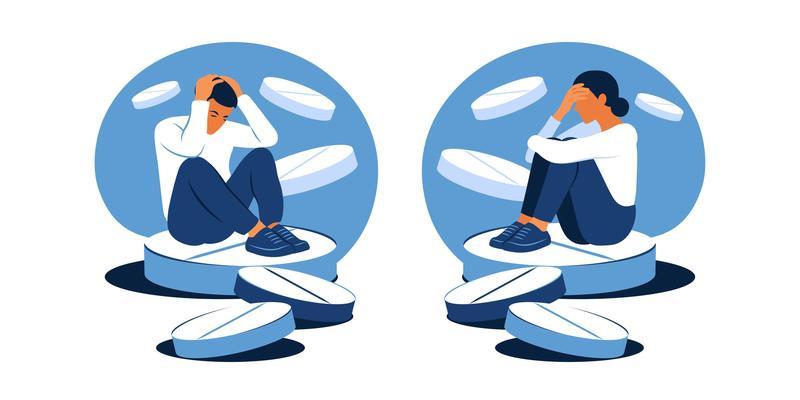
Chuyên gia cho rằng giới có thể cũng ảnh hưởng lên phương thức một người cảm thấy quen thuộc hoặc sẵn sàng tiếp cận áp dụng. Ví dụ, đàn ông nhìn chung sẽ quen thuộc với súng ống hơn phụ nữ và sử dụng chúng mỗi ngày, vì vậy có thể sẽ chọn phương thức này nhiều hơn.
Experts suggest that gender might also influence what methods a person is familiar with or has ready access to use. For example, men are generally more likely than women to be familiar with firearms and use them in their daily lives, and thus they might choose this method more often.
Với cha mẹ và người thân. For Parents and Loved Ones
Nếu bạn là phụ huynh, bạn có thể mất ngủ tìm hiểu về nguy cơ tự sát ở thanh thiếu niên. Mặc cho các chương trình dự phòng và can thiệp nhắm tới giúp thanh thiếu niên có ý định tự sát, việc xác định xem liệu một người trẻ có ý muốn tự sát hay không có thể rất khó khăn.
If you are a parent, you may have lost sleep learning about the risk of suicide in young people. Despite prevention and intervention programs aimed to help teens who are considering suicide, determining if a teenager is suicidal can be very difficult.
Ngoài tìm hiểu về các dấu hiệu cảnh báo tự sát ở người trưởng thành, hãy cùng dành thêm thời gian để tìm hiểu những dấu hiệu cảnh báo tự sát ở thanh thiếu niên, và quen thuộc dần với một số hiểu lầm liên quan đến tự sát ở thanh thiếu niên.
In addition to learning about the warning signs of suicide in adults, take a moment to learn about the warning signs for suicide in teenagers, and become familiar with some of the common myths about teen suicide.
Kết luận. Bottom lines
Mặc dù một số thế hệ nhất định sẽ có những khác biệt về giới về hành vi tự sát, nhưng chúng ta cần lưu ý rằng khuynh hướng về giới không thể coi như hướng dẫn tuyệt đối khi xây dựng các can thiệp dự phòng tự sát.
While certain generalizations can be made about gender differences in suicide behavior, it should be noted that general tendencies cannot be taken as absolute guidelines for suicide prevention efforts.
Nỗ lực tự sát cần luôn được cân nhắc cẩn trọng và không nên bị coi là hành vi thu hút sự chú ý, cũng không nên bị coi là chỉ có những người thuộc giới tính nhất định nào đó với sử dụng phương pháp nào đó.
Suicide attempts should always be taken seriously and not dismissed as attention-seeking behavior, nor should it be assumed that only people of a particular gender will use any given method.
Ta cần thêm nghiên cứu để hiểu rõ hơn những khác biệt về giới trong tự sát và xây dựng những biện pháp can thiệp nhắm vào giới.
It is important to note that more research is needed to better understand gender differences in suicide and to develop gender-targeted intervention strategies.
Tham khảo. Sources
Featured Topic: World Health Organization’s (WHO) Report on Preventing Suicide. Centers for Disease Control and Prevention.
Vijayakumar L. Suicide in women. Indian J Psychiatry. 2015;57(Suppl 2):S233-8. doi:10.4103/0019-5545.161484
Crosby AE, Han B, Ortega LAG, Parks SE, Gfroerer J. Suicidal thoughts and behaviors among adults aged ≥18 years: United States, 2008-2009. Morbidity and Mortality Weekly Report (MMWR). Centers for Disease Control and Prevention. 2011:60(SS13);1-22.
Callanan VJ, Davis MS. Gender differences in suicide methods. Soc Psychiatry Psychiatr Epidemiol. 2012;47(6):857-69. doi:10.1007/s00127-011-0393-5
Callanan VJ, Davis MS. Gender and suicide method: Do women avoid facial disfiguration? Sex Roles. 2011;65(11):867-879. doi:10.1007/s11199-011-0043-0
Freeman A, Mergl R, Kohls E, et al. A cross-national study on gender differences in suicide intent. BMC Psychiatry. 2017;17(1):234. doi:10.1186/s12888-017-1398-8
Chan MK, Bhatti H, Meader N, et al. Predicting suicide following self-harm: Systematic review of risk factors and risk scales. Br J Psychiatry. 2016;209(4):277-283. doi:10.1192/bjp.bp.115.170050
Increased Risk Groups. Youth.gov.
James SE, Herman JL, Rankin S, Keisling M, Mottet L, Anafi, M. The Report of the 2015 U.S. Transgender Survey. Washington, DC: National Center for Transgender Equality.
Ryan C, Huebner D, Diaz RM, Sanchez J. Family rejection as a predictor of negative health outcomes in white and Latino lesbian, gay, and bisexual young adults. Pediatrics. 2009;123(1):346-52. doi:10.1542/peds.2007-3524
Mustanski BS, Garofalo R, Emerson EM. Mental health disorders, psychological distress, and suicidality in a diverse sample of lesbian, gay, bisexual, and transgender youths. Am J Public Health. 2010;100(12):2426-32. doi:10.2105/AJPH.2009.178319
Saewyc EM, Konishi C, Rose HA, Homma Y. School-based strategies to reduce suicidal ideation, suicide attempts, and discrimination among sexual minority and heterosexual adolescents in western Canada. Int J Child Youth Family Stud. 2014;5(1):89-112. doi:10.18357/ijcyfs.saewyce.512014
Sudhir Kumar CT, Mohan R, Ranjith G, Chandrasekaran R. Gender differences in medically serious suicide attempts: A study from south India. Psychiatry Res. 2006;144(1):79-86. doi:10.1016/j.psychres.2005.11.012
Nguồn: https://www.verywellmind.com/gender-differences-in-suicide-methods-1067508
Như Trang.
 Exploring Psychology - Khám Phá Tâm Lý Học