
Hít một hơi thật sâu – thật sâu – và thở hết ra. Nếu bạn cảm thấy nhẹ nhõm hơn một chút thì đó không phải do bạn tưởng tượng ra đâu. Các chuyên gia sức khỏe tâm thần và các giáo viên yoga đều khuyến khích tập hít thở sâu vì tất cả những lợi ích tuyệt vời của nó lên sức khỏe tinh thần, không chỉ đơn thuần là hệ hô hấp.
Take a deep breath—a good, deep breath—and let it out. If you’re feeling a little lighter, you’re not imagining it. Mental health professionals and yogis alike will recommend deep breathing because of all the amazing ways it can benefit your mental health, not just your respiratory system.

Chúng ta hít thở tới 8 triệu lần mỗi năm – tại sao ta lại khó hít thở sâu đến vậy? Và hít thở sâu chính xác là gì? Hãy cùng tìm hiểu tại sao bạn nên thử tập hít thở sâu và cách tập nó như thế nào.
We take more than eight million breaths per year—why is it so hard to get a deep one? And just what is a deep breath? Learn more about why you should try deep breathing and how to do it.
Các dạng thở. Types of Breath
Mỗi giây phút trong ngày bạn đều hít thở, nhưng có lẽ bạn không biết là có nhiều kiểu hít thở. Trong thực tế, có tới 4 kiểu!
You take breaths every moment of the day, but you may not know that there are different types of breathing. In fact, there are four!
Dưới đây là bốn kiểu hít thở: Here are the four types of breathing:1
– Hít thở bình thường: Đây có lẽ là dạng hít thở hiện tại của bạn lúc đọc bài viết này. Đây là dạng hít thở xuất hiện khi bạn không nghĩ đến hít thở. Còn được gọi là “hít thở tĩnh”, cả cơ hoành và cơ gian sườn ngoài đều sẽ co thắt.
Eupnea: This is probably the type of breathing you are doing right now as you are reading this. This is the breathing that occurs when you are not thinking about breathing. Also known as “quiet breathing,” both the diaphragm and external intercostal muscles must contract.
– Hít thở bằng cơ hoành: Còn được gọi là hít thở sâu, cơ hoành phải co thắt trong bài thở này. Khi cơ co thắt, hơi sẽ tự rời khỏi phổi.
Diaphragmatic breathing: Also known as deep breathing, the diaphragm muscle must contract in this type of respiration. As the muscle contracts, breath passively leaves the lungs.
– Thở bằng sườn: Dạng hít thở này, còn được gọi là “hít thở nông” sử dụng các cơ liên sườn, là nhóm cơ giữa các xương sườn. Khi các cơ này thư giãn, khí rời khỏi phổi. Nếu bạn bị căng thẳng, bạn có thể sẽ hít thở kiểu này (hoặc ngay cả khi bạn giữ hơi trong vô thức).
Costal breathing: This type of breathing, also known as “shallow breathing” uses your intercostal muscles, the muscles between your ribs. As these muscles relax, the air leaves your lungs. If you are stressed, you may be doing this type of breathing right now (or even unconsciously holding your breath).
– Thở gấp: Còn được gọi là “thở mạnh”, cả hít vào và thở ra đều mang tính chủ động , thay vì bị động, do tình trạng cơ co thắt.
Hyperpnea: Also known as forced breathing, both inhalation and exhalation are active, rather than passive, due to muscle contractions.
Lợi ích của hít thở sâu. Deep Breathing Benefits
Có nhiều lý do xuất hiện mỗi dạng hít thở, nhưng hít thở sâu chính là công cụ nặng ký, đưa đến vô số lợi ích cho sức khỏe.
There are reasons for each of these types of breathing, but deep breathing is the heavy hitter, with myriad health benefits.2
Hít thở sâu có thể hỗ trợ những vấn đề: What Deep Breathing Can Help
– Lo âu. Anxiety
– Trầm cảm. Depression
– Kiểm soát căng thẳng. Managing stress
– Cải thiện tập trung. Improving focus
– Hỗ trợ giấc ngủ. Better sleep
– Hồi sức nhanh hơn sau khi tập thể dục hoặc gắng sức. Faster recovery from exercise or exertion
Tạo sao hít thở sâu lại có ích? Why Deep Breathing Helps

Bạn có thể tự hỏi tại sao “chỉ” cần hít thở thôi lại tác động mạnh như vậy. Hít thở chậm kích hoạt hệ thần kinh đối giao cảm, còn gọi là hệ thống “nghỉ ngơi và tiêu hóa”. Công việc của nó bảo tồn năng lượng để sử dụng trong các quá trình như tiêu hóa và tiết niệu.
You may be wondering why “just” breathing can be so powerful. Slow breathing activates the parasympathetic nervous system,3also called the “rest and digest” system. Its job is to conserve energy to be used for bodily processes such as digestion and urination.
Hít thở sâu cũng kích hoạt dây thần kinh phế vị, giống như “ông chủ” của hệ thần kinh đối giao cảm, giám sát những thứ như tâm trạng, tiêu hóa, và nhịp tim. Nó cũng gửi oxy lên não bộ và những cơ quan khác.
Deep breathing also activates the vagus nerve, which is like the boss of the parasympathetic4 nervous system, overseeing things like mood, digestion, and heart rate. It will also send more oxygen to your brain and other organs.5
Hãy dành ra một phút và rà soát bản thân trước khi bắt đầu một bài tập hít thở sâu để xem bạn cảm thấy thế nào, và so sánh trạng thái này sau đó.
Take a minute and check in with yourself before you start a deep breathing exercise to see how you feel, and then compare it with how you feel afterward.
Nếu bạn thấy mình cảm thấy đầu óc lơ mơ sau khi hít thở dâu, bạn có thể ngưng lại. Cảm giác này nên nhanh chóng biến mất sau khi bạn dừng tập. (Nếu bạn vẫn cảm thấy đầu óc lơ mơ, hãy liên hệ bác sĩ). Ngoài ra, nếu bạn đang đối phó với chứng loi âu, thì có lẽ bài tập này, đôi khi, có thể khiến chứng lo âu trầm trọng hơn.
If you find yourself feeling lightheaded after deep breathing, you may want to stop. The feeling should pass quickly after you stop. (If you continue to feel lightheaded, call your doctor.) Also, if you are dealing with anxiety, it may, sometimes, make it worse.
Làm sao để tập hít thở sâu? How to Do Deep Breathing
Có nhiều cách để tập thở, những dươi đây là một số cách bạn có thể thử. Một lợi ích khác của hít thở sâu đến từ bản chất lặp đi lặp lại, điều này cũng có thể giúp bạn đạt đến trạng thái thiền.
There are many different ways or exercises, but here are a few. An added benefit is that they are all repetitive in nature, which will also help you reach a meditative state.
Nếu bạn mắc hen suyễn hay bất cứ vấn đề gì với hít thở, hãy đảm bảo trao đổi với bác sĩ trước khi bắt đầu bất cứ bài tập thở sâu nào.
If you already have asthma or any other issues with breathing, be sure to check with your doctor before beginning any deep breathing exercises.
Thở cơ hoành. Diaphragmatic Breathing
Nếu bạn chưa biết về cơ hoành thì nó là một lớp cơ nhỏ ngay dưới phổi. Nếu bạn thở “đúng”, thì nó sẽ co thắt và di chuyển xuống dưới để phổi có thể nở rộng để không khí lấp đầy. Ngược lại khi bạn thở ra, nó sẽ thư giãn và di chuyển lên trên khoang ngực.
If you’re not familiar with the diaphragm, it’s a small muscle right below your lungs. If you’re breathing “correctly,” it will contract and move downward so that your lungs can expand to take in fresh air. Upon exhalation, the opposite happens; it relaxes and slides further up your chest cavity.
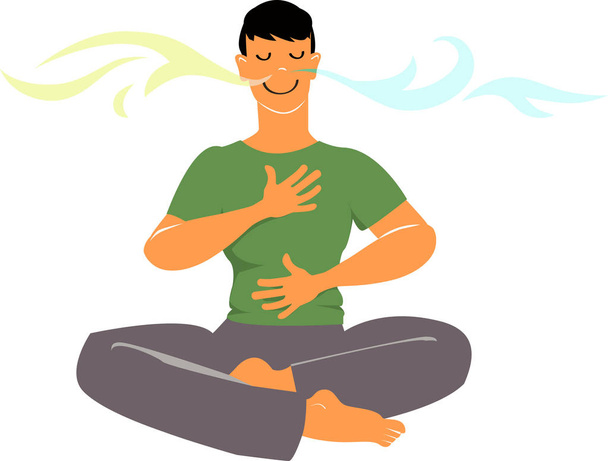
Để tập thở bằng cơ hoành, hãy: To engage in diaphragmatic breathing:
– Bắt đầu bằng một tay để lên tim và tay còn lại đặt trên bụng. Begin with one hand over your heart and one hand over your belly.
– Hít vào bằng mũi và để không khí lấp đầy khoang bụng. Giữ tay trên tim và bụng, quan sát tay để trên bụng di chuyển lên xuống trong khi tay đặt trên tim giữ nguyên vị trí. Breathe in through your nose and let the air fill your belly. Keep your hands on your heart and belly and observe how the one on your belly moves while the one on your heart should stay the same.
– Kéo rốn vào sát cột sống khi thở ra như thể bạn đang thổi nến sinh nhật. Draw your navel in towards your spine as you exhale as if you were blowing out birthday candles.
– Cảm nhận tay đặt trên bụng trở lại vị trí cũ. Feel as the hand on your belly slides down to its original position.
– Tập ba đến năm lần lúc đầu, để ý xem bản thân thấy thế nào sau mỗi lần tập. Repeat this three to five times to start, noting how you feel after each time.
Thở 4-7-8. 4-7-8 Breathing
Với dạng thở này, bạn sẽ hít vào trong 4 giây, giữ hơi trong 7 giây, và thở ra trong 8 giây:
With this kind of breathing, you will breathe in for four seconds, hold your breath for seven, and exhale for eight:
– Bắt đầu đặt một tay lên tim và một tay lên bụng giống như trong bài thở bằng cơ hoành. Start with one hand on your heart and one hand on your belly as in the diaphragmatic breathing exercise.
– Hít vào, từ từ lấp đầy không khí vào khoang bụng khi cơ hoành di chuyển xuống dưới. Đếm đến 4 giây cho lần hít vào. Take one, deep slow breath from your belly as you feel your diaphragm slide down. Count to four as you breathe in.
– Khi hít vào hết cỡ, giữ hơi và đếm 7 giây.At the top, hold your breath as you count to seven.
– Thở ra bằng miệng, đầy toàn bộ khí ra khỏi phổi trong 8 giây. For eight counts, exhale through your mouth, emptying your lungs completely.
– Lặp lại 3 đến 5 lần, cho đến khi cảm thấy bình ổn hơn. Repeat three to five times, or until you feel calmer.
Gợi ý và mẹo. Tips and Tricks
Dưới đây là một số mẹo và gợi ý giúp bạn tập các kỹ thuật hít thở sâu.
Below are some tips and tricks to try as you practice deep breathing techniques.
– Dành thời gian hít thở sâu. Make Time for Deep Breathing
Nghe có vẻ ngớ ngẩn nhưng bạn nên đặt chuông báo hoặc hẹn giời để hít thở, nó có thể giúp bạn đảm bảo liên tục đạt được lợi ích từ các bài tập thở hay ho này.
It may sound silly to you to set an alarm or timer to breathe, but it can help you ensure that you are getting these great deep breathing benefits regularly.
Thay vì lăn tới lăn lui ôm điện thoại khi chuông báo reo, hãy cố thêm một vài lượt tập thở nữa.
Instead of rolling over and grabbing your phone when your alarm goes off, try for a few rounds of these breathing exercises.
– Tập trước và trong lúc bị căng thẳng cao độ. Do It Prior to and During High-Stress Situations
Lúc đầu, hãy tập hít thở sâu khi bạn không cần nó lắm để khi bạn rơi vàng trạng thái căng thẳng và thực sự hưởng lợi từ bài tập này, bạn đã làm chủ dạng bài tập thở mà bạn áp dụng. Không nên tập hít thở sâu lần đầu khi rơi vào trạng thái căng thẳng cao độ.
Practice deep breathing exercises when you don’t necessarily need them at first so that when you are feeling stressed and could benefit from it in the moment, you are already an expert at the type of deep breathing you want to utilize. You don’t want to try deep breathing for the first time when you are in a high stress state.
Phần hay ho nhất của tập thở thư giãn là không ai biết bạn đang tập nên bạn có thể tập ở bất cứ đâu và bất cứ khi nào.
The best part about breathing for relaxation is that nobody needs to know you’re doing it, so you can do it any time, anywhere.
Bạn có thể chọn những nơi hoặc những lúc bạn biết mình có khả năng bị căng thẳng – như chờ xếp hành trong tiệm tạp hóa hay lúc bị kẹt xe. Một khi bạn làm chủ được các bài hít thở sâu, hãy dành ra một phút để thưởng cho não bộ, thưởng cho nó luồng oxy mát ngọt trước khi tình huống leo thang tệ hơn.
You probably have places or situations that you know are likely to stress you out—like standing in line at the grocery store or getting stuck in traffic. Once you’ve mastered deep breathing, take a minute to treat your brain to that sweet, sweet oxygen before the situation escalates.
Các ứng dụng hỗ trợ tập hít thở sâu. Apps for Deep Breathing
Nếu bạn là kiểu người không muốn phải ghi nhớ các kỹ thuật và thích được hướng dẫn, thì một ứng dụng hỗ trợ sẽ khá phù hợp.
If you’re the kind of person that doesn’t want to have to remember these techniques and likes to be led, there’s an app for that.
iBreathe. iBreathe
Bạn có thể nhận ra là ứng dụng iBreathe hoàn toàn là về hít thở. Nó cung cấp nhiều bài tập đã lập trình sẵn, một phương án bạn có thể tùy chỉnh và có cả tính năng gửi lời nhắc nhở.
As you might guess, the app iBreathe is all about breathing. It offers you several pre-programmed exercises, an option to customize your own and the ability to send you reminders.
Ứng dụng Breathe + Simple Breath Trainer. Breathe+ Simple Breath Trainer
Nếu bạn là người khó tập trung khi hít thở sâu, bạn sẽ thích Breathe+Simple Breath Trainer. Nó đồng bộ với hơi thở của bạn nên bạn có thể thấy được những hình ảnh tương quan đẹp mắt phù hợp với hơi thở của mình.
If you are a person who has trouble focusing when deep breathing, you will enjoy Breathe+ Simple Breath Trainer. It syncs with your breathing so you can see beautiful visualizations that correspond with your breath.
Ứng dụng Apple Watch Breathe. Apple Watch Breathe
Nếu bạn có Apple Watch, bạn đã có hẳn một ứng dụng sẵn có hỗ trợ hít thở, gọi là Breathe. Ứng dụng này sẽ theo dõi và khuyến khích bạn dành ra một phút để tập thở, hướng dẫn bạn khi nào nên hít vào và thở ra.
If you have an Apple Watch, you already have access to a built-in breathing app, literally called Breathe. The app will check in with you and prompt you to take a one-minute breathing break, guiding you when to inhale and when to exhale.
Kết luận. Final thoughts

Hít thở sâu có thể có lợi với nhiều người, nhưng nó chỉ là một công cụ trong bộ công cụ sức khỏe tâm thần của bạn mà thôi. Nếu bạn không cảm nhận được lợi ích mong muốn từ hít thở sâu, đừng nản lòng. Hãy tiếp tục tập luyện vì bất kỳ thứ gì mới cũng cần chút thời gian. Hãy cân nhắc những công cụ khác mà bạn có trong bộ công cụ của bạn. Nếu tình trạng lo âu trở nặng hoặc nghiêm trọng thì bạn nên trao đổi với một chuyên gia sức khỏe tâm thần.
Deep breathing can benefit many people, but it is only one tool in your mental health toolbox. If you’re not getting the deep breathing benefits you’d hoped for, don’t be discouraged. Keep practicing as with anything new, it may take some time. Consider other tools that you have in your mental health toolbox. If your anxiety remains severe or gets worse, consider talking to a mental health professional.
Tham khảo. Sources
Whited L, Graham DD. Abnormal respirations. In: StatPearls. StatPearls Publishing.
Magnon V, Dutheil F, Vallet GT. Benefits from one session of deep and slow breathing on vagal tone and anxiety in young and older adults. Sci Rep. 2021;11(1):19267. https://doi.org/10.1038/s41598-021-98736-9
Tindle J, Tadi P. Neuroanatomy, parasympathetic nervous system. In: StatPearls. StatPearls Publishing.
Breit S, Kupferberg A, Rogler G, Hasler G. Vagus nerve as modulator of the brain–gut axis in psychiatric and inflammatory disorders. Front Psychiatry. 2018;0. doi: 10.3389/fpsyt.2018.00044
The American Institute of Stress. Take a Deep Breath.
Nguồn: https://www.verywellmind.com/the-benefits-of-deep-breathing-5208001
Như Trang.
 Exploring Psychology - Khám Phá Tâm Lý Học