
Rối loạn nhân cách ranh giới (RLNCRG) là một rối loạn tính cách được định hình bởi tâm trạng bất ổn, bốc đồng, sợ bị bỏ rơi và những vấn đề trong cách chủ thể tự nhìn nhận bản thân. Vào năm 1980, RLNCRG trở thành rối loạn tính cách chính thức trong “Cẩm nang số liệu và chẩn đoán các rối loạn tâm thần, phiên bản 3” (DSM-3).
Borderline personality disorder (BPD) is a personality disorder marked by mood instability, impulsivity, fear of abandonment, and problems with self-image.1 In 1980, BPD became an official personality disorder in the “Diagnostic and Statistical Manual of Mental Disorders, Third Edition” (DSM-III).

Nhiều người tự hỏi không biết làm thế nào người ta lại dùng cụm “ranh giới” để mô tả rối loạn này. Hãy cùng tìm hiểu nguồn gốc của thuật ngữ này và lý do tại sao việc sử dụng nó lại bị đưa ra tranh luận qua nhiều năm như vậy.
Many wonder how the term “borderline” came to describe BPD. Let’s learn more about the origin of this term and why its use has been debated through the years.
Lịch sử thuật ngữ “Ranh giới” trong Rối loạn nhân cách ranh giới. History of “Borderline” in Borderline Personality Disorder
Thuật ngữ “ranh giới” lần được giới thiệu lần đầu tiên vào năm 1938 bởi nhà tâm lý học người Mỹ Adolph Stern. Ông sử dụng nó để mô tả một nhóm bệnh nhân không có kết cải thiện điều trị nhưng lại có các triệu chứng không phù hợp với bệnh tâm lý hay phân nhóm bệnh thần kinh.
The term “borderline” was first introduced in 1938 by American psychoanalyst Adolph Stern.2 He used it to describe a group of patients that did not improve with therapy and whose symptoms did not fit into either the psychosis or neurosis classifications.3
Tại thời điểm đó, người ta tin rằng người bệnh thần kinh có thể chữa được, còn bệnh tâm lý thì không thể.
At that time, people with neuroses were believed to be treatable, whereas psychoses were thought to be untreatable.4
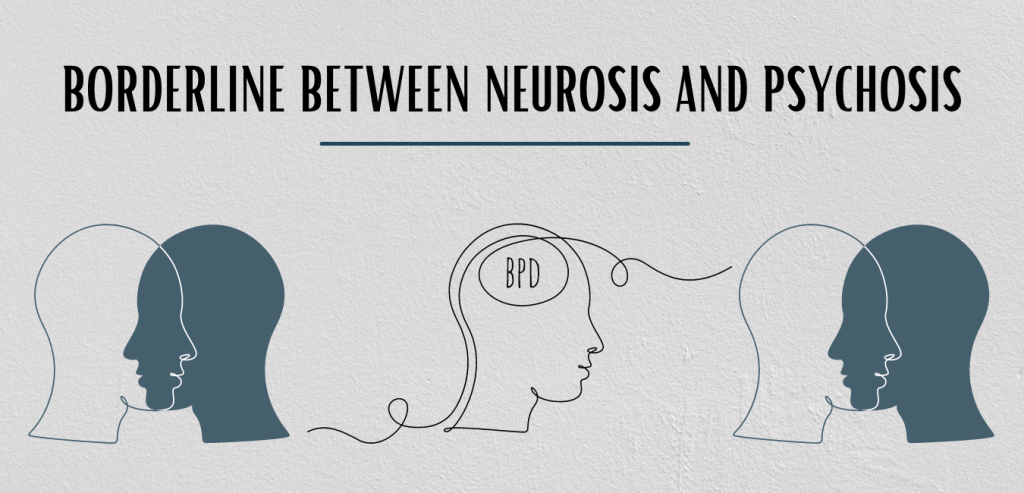
Thuật ngữ này sau đó được sử dụng để mô tả những người bị xếp vào dạng “tâm thần phân liệt lằn ranh/ranh giới”
The term was then used to describe people who seemed to exhibit a type of “borderline schizophrenia.”4
Đến những năm 1970, người ta mới bắt đầu hiểu rõ hơn về RLNCRG. Nhà phân tâm học Otto Kernberg sử dụng thuật ngữ “ranh giới” để mô tả một nhóm rối loạn tính cách nằm giữa rối loạn tâm lý và rối loạn tâm thần.
By the 1970s, a deeper understanding of BPD began to emerge. Psychoanalyst Otto Kernberg used “borderline” to describe a personality organization between psychosis and neurosis.4
Người mắc nhóm bệnh nhân cách ranh giới được mô tả là có tự vệ tâm lý sơ khai, tức là các cơ chế tự vệ tâm lý để tránh lo âu và là cái xảy ra đầu tiên trong quá trình phát triển bệnh. Ví dụ bao gồm họ quá rạch ròi, coi mọi vật chỉ có hoặc “tốt” hoặc “xấu”, cũng như có hành vi phóng chiếu, tức áp những đặc tính tiêu cực của mình lên người khác.
People with borderline personality organization were described as having primitive psychological defenses, which are defense mechanisms to avoid anxiety and are the first to happen developmentally.5 Examples include splitting, or assigning “good” or “bad” qualities to everything, as well as projective identification or projection, or assigning your negative qualities onto someone else.6
Nhóm tính cách này được định hình bởi sự bất ổn và vấn đề trong bản dạng của chủ thể. Không lâu sau, một nhóm các triệu chứng bắt đầu xuất hiện và được dùng để mô tả người mắc RLNCRG, bao gồm:
The personality organization was marked by instability7 and issues with one’s sense of identity.8 Soon, a pattern of symptoms began to emerge to describe those with BPD,9 including:
– Nhìn nhận không nhất quán về bản thân: Rối loạn về bản dạng, có thể bao gồm những thay đổi trong cái mình muốn làm và những gì mình quan tâm.
Unstable self-image: Identity disturbance; can include changes in what they want to do with their lives and what they are interested in10
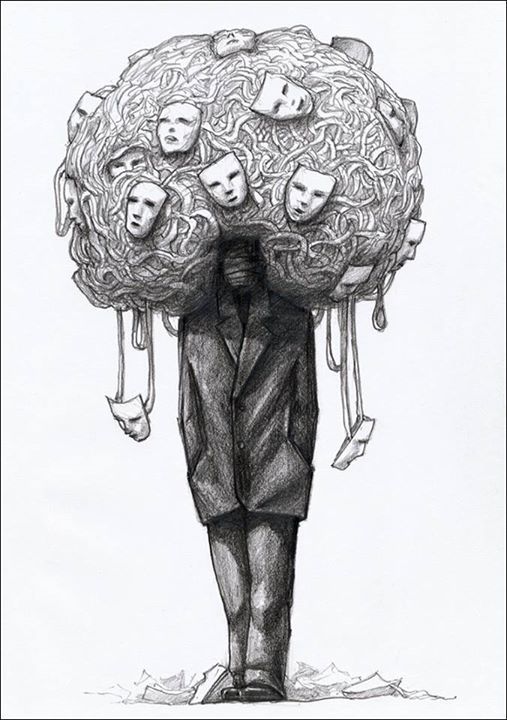
– Tâm trạng thay đổi nhanh và thất thường: Có thể dao động từ lo âu và tức giận sang cảm giác chán chường tột độ.
Rapidly fluctuating mood swings: Can range from anxiety and anger to intense dysphoria11
– Sợ bị bỏ rơi: Có thể khiến chủ thể cắt kết nối với người mà họ sợ sẽ bỏ rơi họ hoặc bắt đầu gắn bó với những người khác nhiều hơn; có thể có hành vi tự sát hoặc tự hại.
Fear of abandonment: Can cause them to cut off people who they fear will abandon them or attach themselves closely to others;12 may lead to self-harm or suicidal behaviors11
– Có khuynh hướng xuất hiện cả suy nghĩ tự sát và tự hại. Suy tính hay lên kế hoạch làm hại bản thân; ví dụ, có thể cắt/cứa cơ thể hoặc tự hủy hoại bản thân.
Strong tendency for both self-harm and suicidal thinking: Thoughts or acting on harming oneself;12 could manifest, fore example, in cutting or self-sabotage1
Rối loạn nhân cách ranh giới ngày nay. Borderline Personality Disorder Today
Ngày nay, người ta nhận thức RLNCRG rõ ràng hơn rất nhiều. Nó được công nhận là một rối loạn định hình bởi trải nghiệm cảm xúc cường độ cao và sự bất ổn trong các mối quan hệ với sự xuất hiện của các hành vi có vấn đề từ thời đầu trưởng thành và diễn ra ở nhiều bối cảnh khác nhau – ví dụ như ở nhà và ở chỗ làm. Ngoài ra, chuyên gia cũng công nhận thành tố di truyền góp phần lớn vào rối loạn này.
Today far more is known about BPD. It’s now recognized as a disorder characterized by intense emotional experiences and instability in relationships with behavior that begins in early adulthood and showing up in multiple contexts—for example, at home and at work.13 In addition, experts have recognized that there is a strong genetic component to BPD.14
RLNCRG trong Sổ tay Chẩn đoán và số liệu các rối loạn tâm thần 5 (DSM-5). BPD in the DSM-5
Theo DSM-5, để chẩn đoán mắc RLNCRG, một người cần đáp ứng một số tiêu chí, bao gồm:
According to the DSM-5, in order to be diagnosed with BPD, a person must meet certain criteria.15 These include the following:
– Bất ổn trong nhiều khía cạnh gây nguy hại trong các mối quan hệ với người khác, cách nhìn nhận bản thân và cảm xúc. A pervasive pattern of instability in interpersonal relationships, self image, and emotions
– Nỗ lực điên cuồng để tránh bị bỏ rơi trong tưởng tượng hoặc trong đời thực. Frantic efforts to avoid real or imagined abandonment

– Bốc đồng làm hại bản thân. Impulsivity that is self-damaging
– Lặp đi lặp lại hành vi tự sát hoặc tự hại. Recurrent suicidal behavior or self-harm
– Liên tục cảm thấy trống rỗng. Chronic feelings of emptiness
– Tức giận vô cớ ở mức độ nghiêm trọng. Inappropriate, intense anger
– Căng thẳng nhất thời liên quan đến những thay đổi trong thực tế. Transient stress related to alterations in reality
Một người mắc RLNCRG có thể không xuất hiện tất cả các triệu chứng. Tuy nhiên, theo DSM-5, một người có xuất hiện 5 trong 9 tiêu chí liệt kê ở trên sẽ nhận được chẩn đoán mắc rối loạn này.
Someone with BPD may not experience every symptom. However, according to the DSM-5, a person will exhibit five out of the nine specific criteria listed to receive a diagnosis.11
RLNCRG có thể ảnh hưởng lên mọi khía cạnh trong cuộc sống của bạn và khiến bạn cảm thấy mất kiểm soát. Bạn có thể trải nghiệm những cảm xúc cực kỳ mãnh liệt – như trầm cảm, lo âu và tức giận – và chúng thường rất khó kiểm soát. Bạn cũng tự hỏi bản thân mình là ai và nghi ngờ liệu mình có xứng đáng không. Bạn cũng khó mà giữ được công việc hoặc một mối quan hệ ổn định.
BPD can impact every aspect of your life and leave you feeling out of control. You can experience intense emotions—including depression, anxiety, and anger—that can be difficult to manage. You may question who you are and doubt your self-worth. It might be hard to keep a job or be in a stable relationship.16
Phải sống chung với RLNCRG sẽ là khá khó khăn và bạn có thể cảm thấy bị cô lập. Tuy nhiên, vẫn có hình thức điều trị giúp kiểm soát các triệu chứng của rối loạn này.
Living with BPD can be really difficult and feel isolating.17 However, there is treatment available to help manage these symptoms.
Cuộc tranh luận vẫn tiếp tục. The Ongoing Debate
Thuật ngữ “ranh giới” vẫn bị tranh luận nhiều theo thời gian. Nhiều chuyên gia kêu gọi đổi tên RLNCRG vì họ tin rằng thuật ngữ “ranh giới” đã lỗi thời và chứa đựng sự kỳ thị. Một số tin rằng RLNCRG không nên được xếp vào rối loạn tính cách, mà nên là rối loạn khí sắc hay rối loạn bản dạng.
The term “borderline” has been debated through the years. Many experts have called for BPD to be renamed because they believe the term “borderline” is outdated and potentially stigmatizing. Some believe that BPD should not be classified as a personality disorder, but rather as a mood disorder or an identity disorder.7
Một khảo sát năm 2007 cũng tiết lộ trong 96 chuyên gia rối loạn tính cách tham gia khảo sát, chỉ có 31.1% muốn giữ tên “Rối loạn nhân cách ranh giới” trong cuốn DSM-5.
A 2007 survey also revealed that out of 96 personality disorder experts who completed the survey, only 31.3% wanted to keep the name “borderline personality disorder” in the DSM-5.18
Đề xuất tên mới bao gồm: Suggestions for the new name have included:
– Rối loạn cường độ cảm xúc. Emotional Intensity Disorder19
– Rối loạn mất điều chỉnh cảm xúc. Emotional Dysregulation Disorder
– Rối loạn chức năng hệ viền. Dyslymbia20

Mắc RLNCRG là như thế nào? What Does This Mean for You If You Have BPD?
Bạn đừng quá đi sâu vào thuật ngữ “ranh giới”. Thuật ngữ này khá cũ và có thể sẽ thay đổi trong tương lai. Thay vào đó, hãy tập trung phối hợp với với bác sĩ hoặc chuyên gia trị liệu để nhận được hỗ trợ điều trị hiệu quả và trả lời được tất cả các câu hỏi, từ đó kiểm soát bệnh tốt hơn.
It’s important to not get too hung up on the term “borderline.” The term is old and may be changed in the future. Instead, focus on working with a doctor or therapist in receiving the proper therapy and getting all your questions answered so that you can manage your symptoms.
RLNCRG thường bị chẩn đoán sai do các triệu chứng hay trùng lặp với các bệnh lý khác, bao gồm rối loạn lưỡng cực, trầm cảm, rối loạn căng thẳng sau sang chấn. Vì vậy, từ “ranh giới” tố hơn là nên hàm ý bạn đang “ngồi” trên nhiều lằn ranh giao thao nhiều bệnh lý khác, khiến ta khó nhận diện được nó.
BPD is often misdiagnosed because symptoms overlap with other conditions, including bipolar disorder,21 depression, and post-traumatic stress disorder (PTSD). Thus, the word borderline might more adequately describe the fact that it sits on the border of many other conditions, blurring their distinctions.7

Kết luận. Final thoughts
Mặc dù thuật ngữ “ranh giới” có thể được sử dụng chưa đúng trong RLNCRG, nhưng nghiên cứu đã làm sáng tỏ khá nhiều điều về bệnh lý này kể từ những năm 1970. Những bạn yên tâm là vẫn có những hình thức điều trị giúp kiểm soát triệu chứng của RLNCRG, bao gồm tâm lý trị liệu và thuốc điều trị.
While the term “borderline” may be a misnomer in BPD, research has uncovered a great deal about the condition since the 1970s. Rest assured that there is treatment available to manage symptoms of BPD, including psychotherapy and medication.
Nếu bạn hoặc người thân có thể đang mắc RLNCRG, đừng chần chừ liên hệ một chuyên gia sức khỏe tâm thần. Họ có thể giúp bạn lập kế hoạch điều trị phù hợp.
If you or a loved one might be have BPD, don’t put off reaching out to a mental health professional. They can help you set up a treatment plan that’s right for you.
Tham khảo. Sources
Cleveland Clinic. Borderline personality disorder (BPD).
Biskin RS, Paris J. Diagnosing borderline personality disorder. CMAJ. 2012;184(16):1789-1794. doi:10.1503/cmaj.090618
Stern A. Psychoanalytic investigation of and therapy in the border line group of neuroses. The Psychoanalytic Quarterly. 1938;7(4):467-489. doi:10.1080/21674086.1938.11925367
Gunderson JG. Borderline personality disorder: Ontogeny of a diagnosis. Am J Psychiatry. 2009;166(5):530-539. doi:10.1176/appi.ajp.2009.08121825
APA Dictionary of Psychology. Primitive defense mechanisms.
APA Dictionary of Psychology. Projective identification.
National Collaborating Centre for Mental Health (UK). Borderline personality disorder: Treatment and management. British Psychological Society (UK); 2009.
Chen C, Hewitt PL, Flett GL, Roxborough HM. Multidimensional perfectionism and borderline personality organization in emerging adults: A two-wave longitudinal study. Personality and Individual Differences. 2019;146:143-148. doi:10.1016/j.paid.2019.04.011
Gunderson JG, Weinberg I, Choi-Kain L. Borderline personality disorder. FOC. 2013;11(2):129-145. doi:10.1176/appi.focus.11.2.129
Gold N, Kyratsous M. Self and identity in borderline personality disorder: Agency and mental time travel. J Eval Clin Pract. 2017;23(5):1020-1028. doi:10.1111/jep.12769
American Psychiatric Association. Diagnostic and Statistical Manual of Mental Disorders. Fifth Edition. Arlington, VA: American Psychiatric Association; 2013.
National Institute of Mental Health. Borderline personality disorder.
Dixon-Gordon KL, Peters JR, Fertuck EA, Yen S. Emotional processes in borderline personality disorder: An update for clinical practice. J Psychother Integr. 2017;27(4):425–438. doi:10.1037/int0000044
Amad A, Ramoz N, Thomas P, Jardri R, Gorwood P. Genetics of borderline personality disorder: Systematic review and proposal of an integrative model. Neuroscience & Biobehavioral Reviews. 2014;40:6-19. doi:10.1016/j.neubiorev.2014.01.003
Bach B, Sellbom M. Continuity between DSM-5 categorical criteria and traits criteria for borderline personality disorder. Can J Psychiatry. 2016;61(8):489–494. doi:10.1177/0706743716640756
Johns Hopkins Medicine. Borderline personality disorder.
Pucker HE, Temes CM, Zanarini MC. Description and prediction of social isolation in borderline patients over 20 years of prospective follow-up. Personal Disord. 2019;10(4):383-388. doi:10.1037/per0000337
Bernstein DP, Iscan C, Maser J, Boards of Directors of the Association for Research in Personality Disorders, International Society for the Study of Personality Disorders. Opinions of personality disorder experts regarding the DSM-IV personality disorders classification system. J Pers Disord. 2007;21(5):536-551. doi:10.1521/pedi.2007.21.5.536
University of Iowa Hospitals & Clinics. Borderline personality disorder: Frequently asked questions.
Zeichner S. Borderline personality disorder: implications in family and pediatric practice. J Psychol Psychother. 2013;03(04). doi:10.4172/2161-0487.1000122
Eskander N, Emamy M, Saad-Omer SM, Khan F, Jahan N. The impact of impulsivity and emotional dysregulation on comorbid bipolar disorder and borderline personality disorder. Cureus. 12(8). doi:10.7759/cureus.9581
Nguồn: https://www.verywellmind.com/borderline-personality-disorder-meaning-425191
Như Trang
 Exploring Psychology - Khám Phá Tâm Lý Học